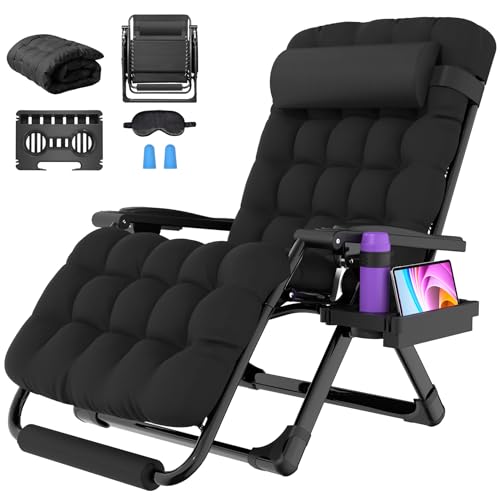
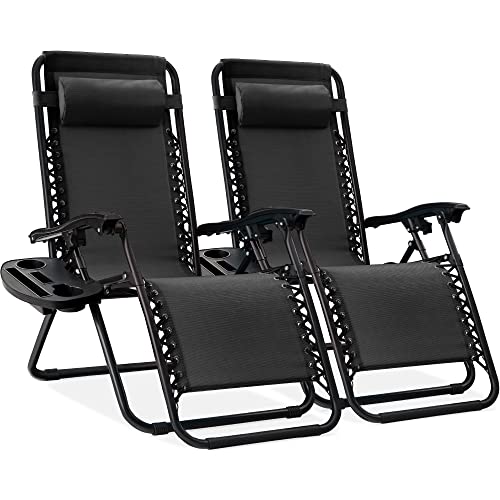
Outdoor Lounge Chairs: The Complete Buying Guide
Everything you need to know before choosing a lounge chair for your patio, deck, or poolside retreat — materials, adjustability, cushion systems, and design tips for lasting comfort.
START THE GUIDEWhy lounge chairs matter: A lounge chair is the piece of outdoor furniture you use most often for deep relaxation. Unlike dining chairs or sofas, it is built around a reclined posture, so the frame geometry, back adjustment range, and cushion support directly determine how comfortable you will be during long afternoons outdoors. This guide breaks down the decision into practical, comparable factors.
What to Look For in an Outdoor Lounge Chair
Most buyers arrive already knowing they want a lounger. The real decision is how the chair will be used — reading, sunbathing, poolside napping, or conversation seating — because that determines which features matter. Below are the five criteria that separate a chair you tolerate from one you use every day.
Frame Material & Rust Resistance
Powder-coated aluminum and high-grade stainless steel resist corrosion best. If your patio is coastal or exposed to rain, prioritize frames marketed as outdoor lounge chairs that don't rust rather than painted steel.
Back Adjustability
Multi-position reclining backs let the same chair serve upright reading and flat sunbathing. An outdoor lounge chair with adjustable back is the most versatile configuration for most households.
Cushion System
Quick-dry foam and solution-dyed acrylic covers hold up to sun and moisture. Check whether replacement cushions are sold separately — that extends the chair's usable life considerably.
Weight & Portability
Folding frames with locking hinges are easier to move and store seasonally. Fixed frames feel more solid but require a permanent spot on the patio.
Footprint & Scale
Measure your space before choosing a reclined lounger, since a fully reclined chair needs significantly more depth than an upright one. Small balconies often suit compact or stackable designs.
Material Comparison by Market Tier
The table below classifies the most common lounge chair constructions by market positioning rather than any specific retail figure. Use it to match a material family to how you plan to use the chair and how much maintenance you are willing to take on.
| Material | Market Tier | Best For | Maintenance Note |
|---|---|---|---|
| Resin / Polypropylene | Entry-Level | Occasional use, rental patios, easy storage | Wipe clean; UV fading possible over many seasons |
| Powder-Coated Aluminum | Mid-Range | Everyday residential use, poolside | Rust-resistant; inspect coating chips annually |
| Wicker / Rattan Weave | Mid-Range | Covered porches, design-forward patios | Keep out of standing water; brush weave seasonally |
| Teak / Eucalyptus Hardwood | Premium | Long-term investment, natural aesthetic | Oil annually to preserve color; weathers gracefully |
| Stainless Steel + Solution-Dyed Fabric | Premium | Coastal homes, heavy daily use | Rinse salt residue; fabric resists mildew |
| Cast Aluminum with Performance Cushions | Luxury | Design-led patios, resort-style setups | Minimal upkeep; store cushions in off-season |
Choosing Your Tier: What Changes Between Classes
Across every material family, the jump between market tiers is usually about mechanism quality, cushion density, and finish durability — not dramatic differences in overall shape. Understanding what each class typically delivers helps you avoid over- or under-specifying for your use case.
Essential Tier
Practical & Lightweight- Single or limited recline positions
- Stackable or folding frames common
- Thinner cushion pads, often sold separately
- Solid choice for seasonal or occasional use
Balanced Tier
Everyday Comfort- Multi-position adjustable backs
- Quick-dry foam cushions included
- Smoother locking mechanisms than entry-level
- Feature-rich for its class; good long-run efficiency
Top-Tier
Long-Term Investment- Reinforced frames and commercial-grade hardware
- High-density cushions with removable covers
- Warranty coverage on frame and finish
- Built to stay outdoors year-round in most climates
Matching Lounge Chairs to Your Space
Lounge chairs rarely work as a single piece. They anchor a relaxation zone, which means the surrounding furniture and layout matter as much as the chair itself. If your goal is a complete relaxation corner, start with the lounger and build outward.
A pair of loungers placed side by side benefits from a shared side table and a shade source. On a small balcony, a single reclining chair paired with a compact ottoman is often the most usable layout; see our guide to outdoor lounge furniture for small spaces for layout diagrams. Larger patios can combine loungers with a conversation set, and our overview of outdoor lounge furniture covers how the pieces work together as a group.
For poolside setups, consider how the chair pairs with shade structures and lighting. If you are building a full relaxation zone, our guides to outdoor lighting and outdoor light chains explain how evening ambiance complements daytime lounging.
Ready to Compare Lounge Chair Options?
Browse our curated selection of outdoor lounge chairs — from adjustable-back recliners to cushion-ready frames — and compare features side by side.
EXPLORE OPTIONSCushions: The Comfort Layer That Decides Everything
The frame sets the posture; the cushion determines whether the chair stays comfortable after an hour. Three details matter most: foam type, cover fabric, and whether the cushion is replaceable.
Quick-dry foam with open-cell structure releases water quickly after rain, while closed-cell foam holds its shape longer but dries more slowly. Solution-dyed acrylic covers resist fading better than printed fabrics. If your chair came with cushions that are already worn, replacing them is often easier than buying a new frame — our guides to outdoor lounge chair replacement cushions and waterproof lounge chair cushions cover sizing and fit.
For households that prefer a consistent look, a matched set of 2 outdoor lounge chair cushions keeps a pair of loungers visually unified. If your existing cushions have compressed unevenly, check whether replacement cushions are available in the original dimensions before considering a new chair.
Pre-Purchase Checklist
Verify these before you order
- Measure the fully reclined depth, not just the upright footprint
- Confirm the frame material against your local climate
- Check whether cushions are included or sold separately
- Look for replacement cushion availability
- Verify the weight rating if the chair is used by multiple people
- Confirm the reclining mechanism type: lever, ratchet, or friction hinge
- Check whether the chair folds or stacks for seasonal storage
- Review the warranty terms for frame and finish
Design Tips for a Better Lounging Zone
Anchor With a Rug
An outdoor rug visually groups two loungers and a side table into a single zone, which makes a large patio feel intentional rather than sparse.
Plan Shade First
Loungers are used in direct sun. Position them relative to an umbrella or pergola before finalizing placement, so you are not moving heavy chairs mid-season.
Keep a Side Surface Within Reach
A small table for drinks, a book, and sunscreen makes the difference between a chair you use and a chair you admire. Pair loungers with a compact side table.
Match Cushion Tone to the Frame
Neutral cushions on a dark frame read modern; warmer cushion tones on wood frames read relaxed. Choose one direction and repeat it across the patio.
Leave Walking Clearance
Reclined loungers need space behind them. Leave at least a comfortable walking path between the chair's back and any wall or planter.
Storage and Seasonal Care
Lounge chairs last far longer when they are stored correctly in the off-season. Folding frames should be cleaned and fully dried before storage; cushions should be brought indoors or into a waterproof storage cabinet. If you are planning a dedicated storage setup, our overview of outdoor patio furniture with built-in storage covers options that double as seating.
Aluminum frames need only a rinse and a soft cloth. Wooden frames benefit from an annual oiling. Wicker weaves should be brushed to remove debris trapped between strands. Cushions with removable covers can be machine-washed on a gentle cycle according to the manufacturer's instructions.
Frequently Asked Questions
Are aluminum or wooden lounge chairs better for a coastal patio?
Powder-coated aluminum is generally the safer choice near salt air because it resists corrosion without regular oiling. Wooden frames can work well in coastal settings if they are sealed annually, but they demand more maintenance in humid, salty conditions.
How many recline positions should a lounge chair have?
Three to five positions cover nearly all use cases: upright for reading, a mid-recline for conversation, and a flat position for sunbathing. Entry-level chairs often offer fewer positions; mid-range and above typically include a multi-position ratchet or friction hinge.
Can I use indoor cushions on outdoor lounge chairs?
Not recommended. Indoor foam absorbs moisture and indoor fabrics fade quickly in sunlight. Outdoor cushions use quick-dry foam and UV-resistant covers, both of which are essential for longevity.
How do I keep lounge chairs from blowing over on a windy deck?
Choose heavier frames or add a weighted base where possible. Folding chairs should be collapsed during high winds. Positioning chairs against a railing or wall also reduces wind exposure.
Do I need a face-hole lounger for sunbathing?
Only if you spend long periods lying face-down. A lounge chair with a face hole is a convenience feature rather than a necessity, and it slightly reduces the chair's versatility for upright use.