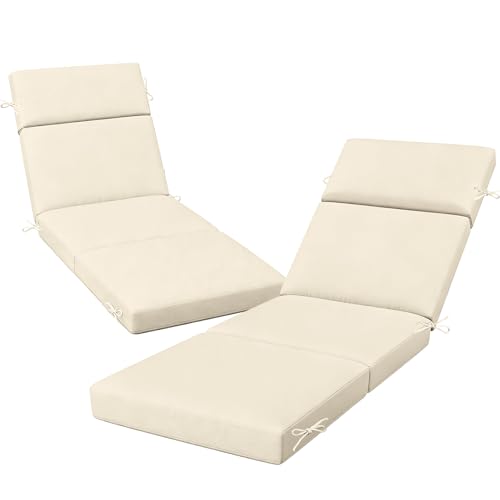
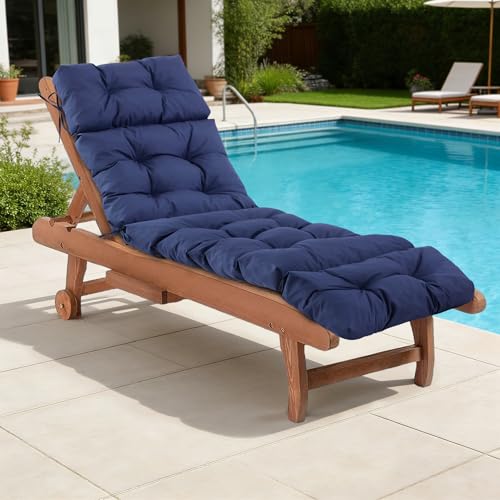
Outdoor Lounge Chair Cushions Set of 2: The Complete Buying Guide
Everything you need to know before choosing a matching pair of lounge chair cushions — materials, thickness, fit, weather resistance, and care — so your patio seating stays comfortable season after season.
Why a matching set of two matters: Buying a coordinated pair guarantees identical fabric, foam density, and stitching across both chairs. That consistency matters for visual balance on a patio, and it usually simplifies replacement later when you want to refresh the look without mismatched tones.
Why Replace or Upgrade Your Lounge Chair Cushions
Original cushions that come with a lounger are often the weakest link in the setup. Thin foam flattens within a season, covers fade under UV exposure, and seams split after repeated wet-dry cycles. A dedicated outdoor lounge chair cushions set of 2 gives you control over comfort and durability instead of accepting whatever shipped in the box.
Upgrading also solves fit problems. Many loungers share a standard frame geometry but ship with generic pads that slide, bunch, or leave gaps at the headrest. A properly specified pair with tie-downs or non-slip backing keeps both chairs looking tidy and prevents the daily ritual of re-straightening cushions before guests arrive.
Key Features to Evaluate Before You Choose
Fabric Quality
Solution-dyed acrylic and high-grade olefin hold color longest under direct sun. Basic polyester is a starter-tier option that works for shaded patios but fades faster in full exposure.
Foam Density
Mid-range sets typically use 1.8 to 2.2 lb density foam, which recovers well after use. Entry-level pads compress quickly; premium sets use higher-density or layered foam for lasting support.
Water Resistance
Look for coated fabric plus quick-dry foam with drainage channels. Removable, zippered covers make cleaning easier and extend the life of the whole set.
Attachment System
Tie straps, elastic bands, or grip-dot backing keep cushions in place. On windy decks, a secure attachment is the difference between a tidy setup and cushions on the lawn.
UV Stability
Check the maker's UV rating and colorfastness notes. High-end tier fabrics are engineered to resist fading for multiple seasons of direct sun exposure.
Stitching & Seams
Reinforced, double-stitched seams resist splitting at stress points. Piping and bound edges add structure and help the cushion hold its shape over time.
How Thick Should the Cushions Be?
Thickness is the single biggest driver of comfort, but more is not always better. The right choice depends on how you use the lounger and how deep the frame is.
| Thickness Range | Best For | Tier Context |
|---|---|---|
| Under 3 inches | Folding or portable loungers, quick-dry setups, low-profile frames | Entry-level to mid-range |
| 3 to 5 inches | Everyday lounging, sunbathing, standard patio frames | Mid-range sweet spot |
| 5 to 8 inches | Deep loungers, extended reading sessions, plush comfort seekers | Premium to luxury |
A practical rule: measure the depth of your lounge chair seat. Cushions should fill the seat without overhanging more than an inch on each side. Oversized pads on a shallow frame look bulky and slide forward constantly.
Fabric and Fill Materials Explained
The fabric determines how long the color lasts; the fill determines how long the comfort lasts. Both matter equally in a set of two.
- Solution-dyed acrylic: The gold standard for UV resistance. Color is infused into the fiber rather than surface-dyed, so it resists fading through years of sun. Top-tier choice for full-exposure patios.
- Olefin (polypropylene): Strong, lightweight, and naturally mildew-resistant. A solid mid-tier fabric that handles moisture well and dries quickly.
- Polyester with coating: The most common entry-level fabric. Adequate for covered patios and seasonal use, but expect visible fading after extended direct sun.
- Polyurethane foam core: Standard fill. Mid-range sets use higher-density versions that recover shape and resist flattening.
- Quick-dry foam: Open-cell foam that lets water pass through instead of trapping it. A worthwhile upgrade for uncovered loungers.
- Fiber fill blends: Lighter and softer, often used as a top layer. Less supportive alone but comfortable for short lounging sessions.
If your chairs sit under a pergola or awning, a mid-range acrylic or olefin set performs well for years. For fully exposed decks, lean toward premium solution-dyed fabric to avoid annual replacement.
Measuring for a Proper Fit
A set that does not fit correctly is a set you will regret. Before ordering, take three measurements on each chair: seat width, seat depth, and back height. Then decide whether your chair uses a single continuous cushion or separate seat and back pads.
- Measure the frame between the armrests for seat width — not the old cushion, which may have stretched.
- Measure from the front edge of the seat to the backrest joint for seat depth.
- Measure the backrest height from the seat joint to the top rail.
- Check whether the chair requires tapered or contoured cushions — common on curved loungers.
- Confirm whether tie straps align with your frame's rails or legs.
If you are also considering a fresh chair to pair with new cushions, browse our outdoor lounge chairs set of 2 guide and compare frame dimensions against cushion specifications before committing.
Weather Resistance and Long-Term Care
Even the best fabric benefits from routine care. A few simple habits keep a coordinated pair looking sharp for multiple seasons.
- Shake out and flip cushions after rain to speed drying and prevent water pooling in seams.
- Clean covers with mild soap and water; avoid harsh bleach that degrades UV coatings.
- Store cushions in a dry, ventilated space during off-season months or prolonged storms.
- Use a breathable cover rather than a fully sealed tarp to avoid trapped moisture and mildew.
- Rotate the two cushions between chairs occasionally to even out wear and sun exposure.
If moisture management is a recurring problem, a waterproof outdoor lounge chair cushion option with sealed seams and quick-dry fill is worth the upgrade. For high-traffic patios, a patio chair cushion set with removable, machine-washable covers simplifies upkeep considerably.
Comparing Tiers: What Changes as You Move Up
| Tier | Typical Fabric | Foam & Construction | Best For |
|---|---|---|---|
| Entry-level | Coated polyester | Basic foam, single-stitch seams | Covered patios, seasonal use |
| Mid-range | Olefin or acrylic blend | Higher-density foam, reinforced seams, tie straps | Everyday outdoor living |
| Premium | Solution-dyed acrylic | Layered foam, quick-dry core, zippered covers | Full sun exposure, long-term use |
| Luxury | High-grade acrylic with stain treatment | Multi-density foam, piped edges, precision tailoring | Design-focused patios, maximal comfort |
Moving up a tier generally buys longer color retention, better shape recovery, and cleaner tailoring. Mid-range sets are the practical default for most homeowners; premium sets make sense when chairs sit in direct sun year-round.
Matching Cushions to Your Existing Chairs
If you already own loungers and only need new pads, focus on compatibility over aesthetics. Confirm the cushion profile matches your chair style — flat pads for folding loungers, contoured pads for curved frames, and full-length pads for chaise-style loungers.
Owners of adjustable-back frames should check that the cushion flexes without bunching at the hinge point. If your chairs feature a headrest or face cutout, look for cushions designed around that opening rather than forcing a standard pad. For broader context on patio seating options, our outdoor lounge chairs overview covers frame types and how they interact with cushion shapes.
Common Mistakes to Avoid
- Ordering by chair brand name alone — verify the actual cushion dimensions against the frame.
- Choosing thin pads for deep loungers, which leaves the frame bars pressing through.
- Ignoring wind exposure; unsecured cushions blow away and tear on landing.
- Buying mismatched singles instead of a coordinated set, which leads to visible tone differences.
- Skipping UV ratings on fully exposed patios, resulting in visible fading within one season.
Frequently Asked Questions
How thick should outdoor lounge chair cushions be?
For lounging and sunbathing, around 3 to 5 inches provides balanced comfort and support. Thicker cushions in the 5 to 8 inch range suit deeper loungers, while thin pads under 3 inches work better for folding or portable chairs where weight matters.
Are outdoor lounge chair cushions set of 2 waterproof?
Most quality sets are water-resistant rather than fully waterproof. Fabrics with a polyurethane or acrylic coating resist light rain and spills, but prolonged soaking can still penetrate seams. Look for quick-dry foam cores and removable covers with zippers for easier care.
How do I measure my lounge chair for replacement cushions?
Measure the seat length, seat width, and back height of the chair frame, then check whether the chair uses a single-piece cushion or separate seat and back pads. Compare these figures against the cushion dimensions listed by the maker, and allow a small tolerance for fabric stretch.
What fabric holds up best in direct sun?
Solution-dyed acrylic and high-grade olefin are among the most UV-stable outdoor fabrics. They resist fading and mildew better than untreated cotton or basic polyester. Check the maker's UV rating and colorfastness notes before choosing.
Can I use indoor cushions on outdoor chairs?
It is not recommended. Indoor foam traps moisture and mold quickly, and standard upholstery fabric fades and mildews under outdoor conditions. Purpose-built outdoor cushions use moisture-shedding fill and UV-stable covers for a reason.
Ready to Refresh Your Loungers?
Compare the recommended outdoor lounge chair cushion sets below, check fit and fabric details, and pick the pair that matches your patio exposure and comfort needs.
View Recommended Sets