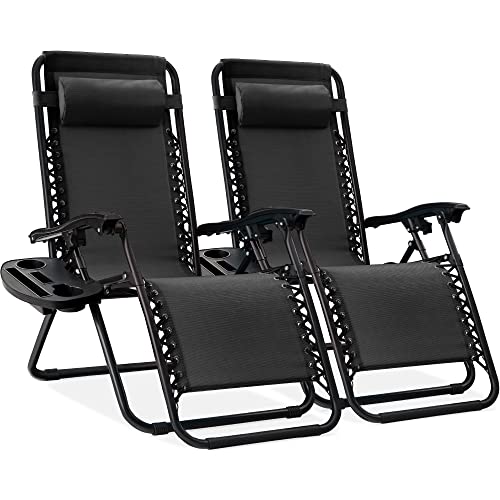
Outdoor Lounge Chairs Set of 2: The Complete Buying Guide
Everything you need to choose a matched pair of outdoor loungers — frame materials, recline mechanisms, cushion fabrics, layout planning, and long-term care — so you buy once and relax for years.
Explore Recommended PairsWhy a matched pair matters: Buying an outdoor lounge chairs set of 2 is not simply two singles placed side by side. A genuinely matched pair shares identical frame geometry, hardware, and cushion fit — which means balanced comfort, consistent weathering, and a coordinated look on your patio, deck, or poolside.
Why Buy a Set of Two Instead of Single Chairs?
A pair is the natural unit for outdoor relaxation. Most patios host two people at a time — a partner, a friend, or a reading companion — and symmetrical seating instantly makes a space feel intentional rather than improvised. Beyond aesthetics, a set of two removes guesswork: the manufacturer has already matched the recline tension, leg height, and cushion dimensions, so both chairs sit level and behave identically.
Practical benefits stack up quickly. A matched pair ships with consistent hardware, so replacement parts are easier to source later. Storage is simpler when both chairs fold or stack the same way. And when you eventually refresh cushions, you order one size instead of measuring two different seats. If your outdoor area is still taking shape, browsing the broader outdoor lounge chairs category first helps you understand the full range of styles before narrowing to a pair.
Pairs also work well as the anchor of a conversation zone. Position them side by side facing a fire feature, or angle them toward each other with a small side table between. For homeowners planning a fuller seating arrangement, the wider outdoor lounge furniture collection shows how pairs integrate with sofas, sectionals, and ottomans.
Frame Materials Compared
The frame decides how long your pair survives sun, rain, and seasonal storage. Each material carries distinct strengths, and the right answer depends on how much moving and maintenance you are willing to do.
| Frame Material | Best For | Durability | Maintenance Level |
|---|---|---|---|
| Powder-coated aluminum | All-round patios, balconies, coastal areas | Rust-resistant, lightweight, long service life | Low — rinse and wipe occasionally |
| High-grade steel | Windy decks, heavier users, fixed layouts | Very stable, needs intact coating to resist rust | Moderate — inspect for chips each season |
| Eucalyptus or teak wood | Natural, rustic, and traditional designs | Dense hardwood, weathers gracefully with care | Moderate to high — seal annually |
| Wicker and rattan (resin or natural) | Coastal, bohemian, and covered porches | Resin wicker resists UV; natural rattan needs shelter | Low for resin, high for natural |
| Recycled plastic / resin | Family-friendly, poolside, low-maintenance setups | UV-stabilized, chip-resistant, very durable | Very low — hose down as needed |
Aluminum remains the safest default for most buyers: it will not rust, it is light enough to reposition when you entertain, and powder coatings now come in convincing wood-grain finishes. Steel makes sense when the chairs will stay put and stability is the priority. Wood suits anyone who enjoys a maintenance ritual and wants a warmer look that deepens with age.
Weight Capacity and Frame Thickness
Check the stated weight capacity for the pair, not just the chair. Entry-level frames often use thinner tubing and lower capacity ratings, while mid-range and premium sets typically reinforce joints and use wider profiles. If the chairs will be used by taller or heavier users, prioritize a reinforced frame with a higher capacity rating and a wider seat depth.
Recline Mechanisms: Flat, Multi-Position, or Fixed?
Recline design is where pairs differ most in daily usability. There are three common approaches:
- Fixed-back loungers — a set seat angle suited to upright reading and conversation. Simplest mechanism, fewest failure points, and usually the most stable option for entry-level sets.
- Multi-position adjustable back — a notched or ratchet mechanism that lets you sit upright or lean back several steps. This is the sweet spot for most buyers because it covers reading, napping, and socializing without complex hardware.
- Full flat chaise — lays completely horizontal for sunbathing. Often paired with a face hole or armrest cutouts on premium poolside models. More moving parts mean more care around sand and grit.
When evaluating an adjustable pair, test the mechanism in both directions. A quality ratchet locks firmly with an audible click and releases smoothly. If you want the flexibility of a fully horizontal recline, look at dedicated chaise models in the adjustable-back lounge chair range, or compare full-length options in the outdoor lounge bed category for a more laid-back poolside setup.
Recline Checklist Before You Buy
- Confirm the number of locking positions and the maximum recline angle.
- Check whether the backrest locks securely at each notch under body weight.
- Look for smooth hinge hardware with stainless pins rather than painted steel.
- Verify the armrests clear the backrest through the full recline arc.
- For face-hole models, ensure the opening is padded and positioned correctly.
Cushions and Fabrics for a Matching Pair
Cushion quality separates a comfortable pair from a decorative one. Two specifications matter most: the cover fabric and the fill.
For covers, solution-dyed acrylic is the benchmark. The pigment is integrated into the fiber rather than applied on the surface, so it resists fading and holds color through repeated sun exposure. Olefin and polyester blends are common at entry level and perform adequately in shaded areas but fade faster in direct sun. Look for mold-resistant, quick-dry covers if the chairs live outdoors year-round.
For fill, quick-dry reticulated foam is the practical choice. It allows water to pass through instead of trapping it, which prevents the musty smell that plagues standard foam after rain. Fiber-wrapped foam adds softness on premium sets but needs more frequent fluffing.
If you are upgrading an existing pair rather than buying new frames, confirm the seat dimensions first, then shop by size. The lounge chair cushions set of 2 category covers matched pairs sized for common lounge frames, while waterproof lounge chair cushions are worth considering for uncovered patios. Homeowners replacing worn covers on older chairs can browse replacement cushions for a like-for-like fit.
Fabric and Fill at a Glance
- Solution-dyed acrylic — top-tier fade resistance, colorfast, suitable for full sun.
- Olefin — mid-range durability, fast-drying, good for shaded or covered spaces.
- Polyester blends — entry-level, adequate under awnings or umbrellas.
- Quick-dry reticulated foam — best all-round fill for outdoor use.
- Standard foam — comfortable but retains water; store indoors when not in use.
Sizing and Layout for Two
Two loungers need breathing room. A practical rule is to leave at least 18 to 24 inches between chairs so each person can reach the armrest and exit without bumping the other. Facing the same direction works for sunbathing and views; angling the pair toward each other creates a natural conversation pocket.
Before ordering, measure the full footprint of both chairs in the reclined position, not just upright. Reclining backs and extended footrests add significant depth. On balconies and small decks, a compact pair with a narrow profile makes the difference between usable space and an obstacle course. The lounge furniture for small spaces guide is useful if your footprint is tight, and the apartment balcony furniture collection covers narrow-depth options.
If you plan to add a side table between the chairs, confirm the table height sits flush with or slightly below the armrests. For a complete lounging zone, browse the outdoor living hub to see how pairs combine with shade, lighting, and rugs.
Quality Tiers: What Changes as You Move Up
Rather than comparing figures, think in tiers. Each tier reflects a relative position in the market and a different balance of materials, hardware, and finish quality.
Entry-Level Tier
Simple fixed or three-position recline, thinner aluminum or steel tubing, basic polyester cushions. A solid choice for seasonal use, renters, and shaded patios where the pair is stored in winter.
Mid-Range Tier
Multi-position ratchet recline, reinforced aluminum frames with better welds, solution-dyed acrylic or quality olefin covers, quick-dry foam. The balanced tier most households should target for year-round outdoor use.
Premium Tier
Full flat recline or sculpted ergonomic backs, thick-wall aluminum or hardwood frames, stainless hardware, premium acrylic covers, and coordinated accessories. Built as a long-term investment for primary outdoor living spaces.
Movement between tiers is most visible in the hardware and the fabric. An entry-level set and a mid-range set can look similar in photos; the difference appears in the hinge smoothness, the weight of the frame in hand, and how the cushion cover holds color after a full summer. Premium sets justify their position through tighter tolerances, replaceable components, and finishes that resist chalking and scratching.
Durability and Rust Resistance
Rust is the most common failure point for outdoor seating. Aluminum frames with intact powder coating are effectively rust-proof, but chips and scratches expose bare metal over time. Steel frames require periodic inspection, especially at weld points and feet. If your patio is coastal or frequently damp, prioritize frames marketed as rust-resistant and check that screws and hinges are stainless rather than coated steel.
For buyers who have dealt with corrosion before, the lounge chairs that do not rust guide explains which material combinations hold up best in humid and salt-air conditions. A related comparison, lounge chairs that will not rust, covers coating quality and hardware details worth verifying before purchase.
Care and Seasonal Storage
A matched pair is easiest to maintain when both chairs follow the same routine. A simple seasonal plan keeps frames and cushions in good condition:
- Weekly during use: Brush off debris and wipe frames with a damp cloth. Shake out cushions and stand them on edge to air.
- Monthly: Rinse frames with mild soapy water; avoid abrasive pads on powder coating. Check hinges and tighten loose bolts.
- Before winter: Clean and fully dry both chairs. Remove cushions and store indoors. Apply sealant to wood frames. Cover metal frames with breathable covers, or store stackable chairs in a shed.
- Spring check: Inspect for paint chips, rust spots, and fabric fading. Touch up coated frames early to prevent corrosion from spreading.
Stackable and folding pairs simplify storage dramatically. If your space is limited, compare folding and stacking options in the outdoor lounge chairs collection before committing to a fixed-frame design. Clearance and end-of-season assortments sometimes include matched pairs at reduced positions; the lounge chairs clearance and lounge chairs set of 2 clearance pages are worth monitoring if timing is flexible.
Common Buying Mistakes to Avoid
- Measuring only the upright footprint. Reclined depth is often 30 to 50 percent greater than the seated position.
- Ignoring cushion fit. Replacement covers rarely match perfectly across brands; confirm seat depth and width before ordering a separate set.
- Choosing steel for coastal exposure. Without flawless coating maintenance, steel corrodes faster than aluminum in salt air.
- Skipping the recline test. A mechanism that binds or releases unevenly will frustrate daily use.
- Overlooking storage. If the chairs must move each season, weight and stacking matter as much as comfort.
- Mixing finishes within a pair. Even slight color variation between two chairs becomes obvious in direct sunlight.
Frequently Asked Questions
What should I look for in an outdoor lounge chairs set of 2?
Focus on frame material, weight capacity, recline range, cushion fabric rating, and whether the pair stacks or folds. A matched set of two should share identical dimensions and hardware so both chairs perform consistently over time.
Which frame material is best for a pair of patio lounge chairs?
Powder-coated aluminum is the most practical all-round choice because it resists rust and stays light enough to rearrange. High-grade steel is heavier and very stable, while eucalyptus or teak offers a natural look with proper sealing.
How do I protect a set of two lounge chairs in winter?
Clean and fully dry the frames, remove or store cushions indoors, apply a sealant to wood frames, and use breathable covers. Stackable chairs should be stored in a shed or garage where possible.
Do I need cushions for outdoor lounge chairs set of 2?
Sling and mesh chairs work well without cushions, but padded models benefit from quick-dry foam cushions with solution-dyed acrylic covers. Confirm the cushion dimensions match the chair seat depth before ordering replacements.
Ready to Choose Your Pair?
Review the recommended outdoor lounge chairs set of 2 below, compare features and tiers, and pick the configuration that fits your patio, deck, or poolside layout.
View Recommended Pairs