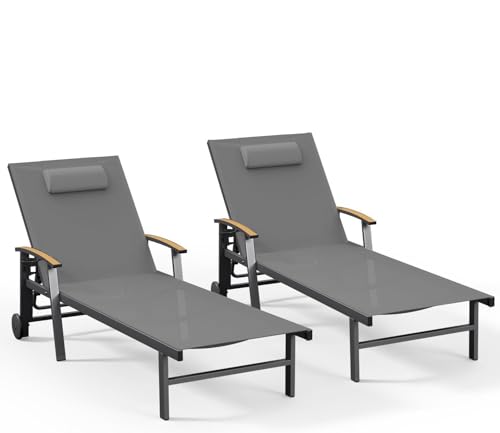
Outdoor Lounge Chairs That Won't Rust: The Complete Buyer's Guide
Rust ruins outdoor furniture faster than almost anything else. Learn which frame materials genuinely resist corrosion, how to spot quality construction, and which lounge chair styles hold up season after season.
Explore Rust-Proof MaterialsWhy this guide matters: If you have ever watched a metal lounge chair develop orange streaks after one rainy season, you know how frustrating rust can be. This guide focuses entirely on corrosion-resistant construction so you can choose a lounge chair that stays structurally sound and visually clean for years. We cover aluminum, stainless steel, resin, and treated wood, along with the finishes, fasteners, and care routines that make the biggest difference.
Which Materials Actually Resist Rust?
Not all metals are created equal. The frame material is the single most important factor in whether your lounge chair will rust. Here is how the leading options compare.
| Material | Tier | Rust Resistance | Best For |
|---|---|---|---|
| Powder-Coated Aluminum | Mid-Range | Excellent — aluminum forms a protective oxide layer and the powder coat adds a second barrier. | Everyday patios, poolside areas, humid climates |
| Marine-Grade Stainless Steel | Luxury | Superior — high chromium and nickel content resists salt and moisture. | Coastal homes, windy decks, year-round exposure |
| High-Density Resin | Entry-Level | Complete — no metal content means zero rust risk. | Family-friendly patios, pool decks, casual lounging |
| Treated Teak or Eucalyptus | Premium | No metal rust — natural oils resist rot and moisture. | Natural aesthetics, covered porches, spa-like retreats |
Each material has trade-offs. Aluminum is lightweight and easy to rearrange, which makes it a favorite for outdoor lounge chairs that need to move with the sun. Stainless steel is heavier and more rigid, ideal for fixed setups on exposed decks. Resin is the simplest to maintain and often the most forgiving for households with kids or pets. Treated hardwood delivers warmth and character but requires occasional oiling to stay at its best.
Powder-Coated Aluminum
The powder coating is baked onto the frame, creating a durable shell that resists chipping and scratches. Look for double-coated joints and sealed welds for the best protection.
Marine-Grade Stainless Steel
Grade 304 or 316 stainless steel is the gold standard for salt air. It is heavier and commands a higher tier position, but it delivers exceptional longevity in harsh environments.
High-Density Resin
Modern resin furniture is molded into realistic textures and colors. It never rusts, resists UV fading, and wipes clean with soap and water.
Treated Hardwood
Teak and eucalyptus contain natural oils that repel moisture. They will not rust, though they may develop a silver patina over time if left untreated.
Construction Details That Prevent Rust
The frame material is only half the story. Fasteners, joints, and finishes determine whether a chair stays rust-free in real-world conditions.
Fasteners and Hardware
Stainless steel screws and bolts should be standard on any corrosion-resistant chair. Zinc-plated or painted hardware can begin to corrode at the first scratch, creating rust streaks that spread to the frame. When comparing options, check the product specifications for stainless hardware — it is a reliable indicator of overall build quality.
Welds and Joints
Sealed welds prevent water from entering the frame interior. Open or poorly finished joints trap moisture and are the first place rust appears on aluminum chairs. A rust-resistant lounge chair should have smooth, fully sealed welds at every stress point.
Protective Finishes
Powder coating, anodizing, and marine-grade paint all create barriers between the metal and the elements. Touch-up pens are available for minor scratches, and applying one promptly prevents small chips from turning into corrosion hotspots. For chairs with replacement cushions, a water-repellent finish on the fabric also keeps moisture away from the frame.
Quick check: Before purchasing, look for a chair described as having a rust-proof finish or corrosion-resistant coating. These terms signal that the manufacturer has addressed both the base metal and the surface treatment.
Choosing the Right Style for Your Space
Rust resistance does not limit your design options. Corrosion-resistant frames are available across every lounge chair style, from streamlined chaise lounges to deep-seated armchairs.
Chaise Lounges and Adjustable Backs
A chaise lounge with an adjustable back is the classic poolside choice. Aluminum frames dominate this category because they are light enough to reposition easily while still offering excellent corrosion resistance. Look for models with sealed hinges and a powder-coated finish for the best longevity.
Club Chairs and Deep Seating
Deep-seated lounge chairs with plush cushions work beautifully on covered patios. An aluminum or stainless steel frame paired with waterproof lounge chair cushions creates a comfortable, rust-free seating area that feels like an extension of the living room.
Lounge Sets for Small Spaces
If your patio is compact, a coordinated set of two rust-proof chairs and a side table maximizes usable seating without crowding the area. Lightweight aluminum construction makes it easy to reconfigure the layout as needed. Explore outdoor lounge furniture for small spaces to see how compact arrangements come together.
Hanging and Swing Loungers
Hanging lounge chairs add a sense of retreat to any backyard. For these, stainless steel hardware is especially important because the chair is suspended and any corrosion at the attachment points could compromise safety. A hanging curved steel chaise lounge swing with marine-grade components is a durable way to enjoy that floating sensation.
Placement Matters: Where Rust Starts
Even the best materials benefit from thoughtful placement. Understanding how your environment affects metal furniture helps you get the longest possible lifespan from your chairs.
- Coastal areas: Salt air accelerates corrosion on all metals. Marine-grade stainless steel or resin is the safest choice, and weekly rinsing with fresh water helps remove salt deposits.
- Poolside: Chlorinated water and splashing create a persistently damp environment. Aluminum with a powder coat and quick-drying cushions perform well here.
- Shaded or covered patios: Less direct rain means lower rust pressure, so treated wood and premium aluminum both thrive.
- Open decks and lawns: Full exposure to rain and dew calls for sealed frames and hardware. Elevating chairs slightly off the ground improves airflow and prevents water pooling around the legs.
For a broader look at how lounge furniture fits into a complete outdoor setup, browse the outdoor lounge furniture collection and consider how each piece will interact with your climate and layout.
Maintenance Routines That Keep Rust Away
Rust-proof does not mean maintenance-free. A simple seasonal routine keeps frames looking new and prevents small issues from becoming expensive problems.
- Rinse monthly: Use a garden hose to remove dust, pollen, and salt. Pay attention to joints and crevices where debris collects.
- Wash with mild soap: A soft cloth and diluted dish soap remove stubborn grime without harming powder coatings or anodized finishes.
- Dry thoroughly: Wipe frames dry after washing, especially around welds and fasteners. Standing water is the enemy of any metal.
- Inspect and touch up: Check for scratches at the start of each season and apply touch-up paint to powder-coated frames. Replace any hardware that shows signs of corrosion.
- Cover during extremes: A breathable cover protects chairs during long periods of disuse, heavy rain, or winter storage. Avoid non-breathable covers, which can trap condensation.
- Store cushions separately: Even waterproof cushions benefit from being brought inside during extended wet spells. This also keeps moisture away from the frame beneath.
For chairs with removable fabric, refreshing the lounge chair cushion set each season is an easy way to renew the look while you inspect the frame underneath.
Thinking Long-Term About Your Lounge Chairs
Corrosion-resistant construction is a long-term investment. A chair that resists rust for a decade or more delivers better value over its lifetime than a lesser build that needs replacing every few seasons, even when the initial tier position is higher.
When comparing options, weigh the frame material, hardware quality, finish durability, and warranty coverage together. A mid-range powder-coated aluminum chair with stainless hardware often outperforms a premium-looking design with unprotected fasteners. The best choice balances the tier you are comfortable with against the realities of your climate and how much time you want to spend on upkeep.
If you are furnishing a complete seating area, pairing rust-proof lounge chairs with a lounge bed or a patio coffee table creates a cohesive space where every piece shares the same corrosion-resistant approach.
Ready to Choose Your Rust-Proof Lounge Chairs?
Browse our curated selection of corrosion-resistant lounge chairs, compare frame materials, and find the right fit for your patio, pool deck, or balcony.
View Recommended OptionsFrequently Asked Questions
What material is best for outdoor lounge chairs that won't rust?
Powder-coated aluminum and marine-grade stainless steel are the top choices. Aluminum is lightweight and naturally corrosion-resistant, while stainless steel offers superior strength for windy or coastal settings. High-density resin is another solid option for humid environments and family use.
Can rust-proof lounge chairs stay outdoors all year?
Yes. Chairs built with powder-coated aluminum or marine-grade stainless steel are designed to stay outside year-round. Pair them with weather-resistant cushions and a protective cover during extreme weather to extend their lifespan. Resin chairs are also fully outdoor-safe.
How do I maintain outdoor lounge chairs that won't rust?
Rinse the frames with fresh water every few weeks, wipe them down with a mild soap solution, and dry thoroughly. Inspect joints and fasteners each season, and touch up any scratches on powder-coated finishes to preserve the protective layer. Cover the chairs during long periods of disuse.
Are aluminum lounge chairs really rust-proof?
Aluminum does not contain iron, so it cannot rust in the traditional sense. It can develop surface oxidation, but a powder-coated finish prevents this and keeps the frame looking clean. Sealed welds and stainless hardware complete the corrosion-resistant package.
What should I check before buying a rust-resistant lounge chair?
Check the frame material, the finish type (powder coating or anodizing), the hardware material (stainless steel is best), and whether the welds are sealed. Read the product description for terms like rust-proof finish or corrosion-resistant coating, and confirm the warranty covers frame corrosion.