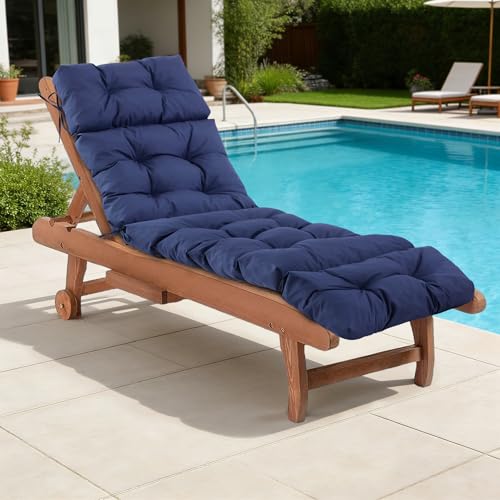
Waterproof Outdoor Lounge Chair Cushions: The Complete Buying Guide
Rain, sprinklers, and morning dew shouldn't ruin your relaxation. Learn how to choose waterproof lounge chair cushions that stay dry, comfortable, and good-looking season after season.
Explore Top PicksQuick summary: Waterproof outdoor lounge chair cushions combine a water-repellent outer fabric with a moisture-resistant filling. The best options balance drainage, UV resistance, and comfort—so you can leave your loungers out with confidence, even when the weather turns.
Why Waterproof Cushions Matter for Lounge Chairs
Lounge chairs sit low to the ground and often stay uncovered for hours at a time. That makes them especially vulnerable to water damage: morning dew, sudden showers, pool splashes, and garden hose spray all find their way into foam and fabric. A standard cushion that soaks through can take days to dry, and trapped moisture leads to mildew, sagging, and that unmistakable damp smell.
Waterproof cushions solve this by blocking water at the surface and allowing any that does get in to drain quickly. For anyone who treats the patio as an extension of the living room—or who simply doesn't want to haul cushions in and out every day—they're a practical, long-term investment. Pair them with a quality lounge chair frame and you have a setup that's built to handle real outdoor life.
How Waterproof Cushions Are Built
Understanding the construction helps you compare options and spot marketing hype. Most waterproof lounge cushions are made from three layers working together:
- Outer fabric shell: Solution-dyed acrylic, polyester blends, or olefin. These fibers resist water absorption and UV fading, and many carry a water-repellent finish.
- Moisture barrier: A laminated or coated backing that stops water from passing into the filling. Better cushions seal the seams as well.
- Core filling: Quick-dry foam, reticulated foam, or polyester fiber. These let any trapped moisture escape instead of pooling.
Cushions described as "water-resistant" usually stop light splashes but can absorb water under sustained exposure. "Waterproof" cushions go further with tighter weaves and sealed seams. If your loungers are fully exposed to the elements, it's worth prioritizing the waterproof tier.
Key Features to Compare
When you're shopping, these are the details that separate a cushion that lasts three seasons from one that lasts ten. Use this comparison table to organize your research:
| Feature | What to Look For | Why It Matters |
|---|---|---|
| Fabric type | Solution-dyed acrylic or olefin with a water-repellent finish | Resists fading, mildew, and water absorption |
| Seam treatment | Sealed or taped seams | Seams are the first place water gets in |
| Filling | Quick-dry or reticulated foam, or high-loft fiber | Drains fast and keeps its shape |
| Ties and straps | Reinforced fabric ties | Keeps cushions in place on windy days |
| UV resistance | Rated for outdoor sun exposure | Prevents color loss and fabric breakdown |
| Certifications | Mold and mildew resistance claims | Confirms the fabric has been tested |
Sizing and Fit: Getting It Right the First Time
Lounge chair cushions are not one-size-fits-all. Before ordering, measure your chair's seat width, seat depth, and back height, and note whether the back is squared or rounded. Compare those numbers against the cushion's listed dimensions—most brands allow a small tolerance for fabric flex, but a cushion that's noticeably too short or too wide will look and feel wrong.
If you're replacing worn cushions, check whether your model is still in production. Many popular loungers have dedicated replacement cushion lines that fit exactly, which is usually the safest path. For sets, a matching two-cushion pack keeps the look consistent across a pair of chairs.
Comfort vs. Waterproofing
The trade-off with waterproof cushions is usually firmness. Tighter weaves and quick-dry cores feel denser than traditional plush foam. That's not a downside for lounging—many people prefer the more supportive feel—but it's worth knowing before you buy. If you want a softer sit, look for cushions that combine a waterproof shell with a high-loft fiber fill rather than a dense foam core.
Consider how you use the chair, too. A deep lounge bed or adjustable-back lounger benefits from a thicker cushion with good back support. A standard lounge chair works well with a medium-thickness pad that's easy to reposition.
Care and Maintenance Tips
Waterproof cushions are low-maintenance, not no-maintenance. A few habits keep them looking new:
- Brush off leaves and debris weekly so moisture doesn't get trapped under them.
- Wipe spills promptly with mild soap and water, then rinse and air dry upright.
- Avoid harsh bleach or abrasive scrubbers—they strip the water-repellent finish.
- Bring cushions inside or cover them during heavy rain, storms, and off-season months.
- Store cushions dry, never damp, to prevent mildew during storage.
If your cushions do get soaked, stand them on edge in the sun so water drains away from the seams rather than pooling on the surface. A little routine care extends the life of the fabric and the filling considerably.
Matching Cushions to Your Patio Setup
Waterproof lounge cushions work best when they're part of a coordinated outdoor space. If your patio includes a conversation set or an outdoor living room, choose cushion colors that complement the other seating. Neutral tones like sand, charcoal, and sage are easy to coordinate and hide weathering well. If you want a bolder look, a black cushion setup creates strong contrast against wood or wicker frames.
Don't forget the smaller touches that make lounging comfortable—an outdoor ottoman for your feet, and coordinating chair cushions for the rest of the seating area. A consistent look ties the whole patio together.
Common Mistakes to Avoid
- Buying by chair type instead of measurements. Always match dimensions to your specific frame.
- Ignoring seam quality. A sealed seam is what separates true waterproof cushions from water-resistant ones.
- Leaving cushions out in freezing weather. Ice expands inside foam and can crack it.
- Using a pressure washer. High-pressure spray forces water past the fabric's protective layer.
- Storing damp. Always dry cushions fully before storing them for the season.
Frequently Asked Questions
Are waterproof outdoor lounge chair cushions truly waterproof?
Most cushions labeled waterproof use a water-repellent fabric shell combined with a moisture-resistant core. They resist rain and spills well, but prolonged soaking or standing water can eventually penetrate seams. For best results, store or cover cushions during heavy storms and extended off-season periods.
What is the difference between water-resistant and waterproof cushions?
Water-resistant cushions repel light moisture and dry quickly, while waterproof cushions are engineered with tighter weaves, coated fabrics, or sealed seams to block water penetration more effectively. Waterproof options generally offer better protection for uncovered patios and poolside areas.
How do I measure my lounge chair for replacement cushions?
Measure the seat width, seat depth, and back height of your chair frame. Also note the thickness of the original cushion and whether the chair has a rounded or squared back. Compare these measurements against the cushion's listed dimensions, allowing a small tolerance for fabric flex.
Can waterproof cushions be left outside all year?
Waterproof cushions handle seasonal weather well, but no cushion is fully immune to prolonged exposure. In rainy or freezing climates, bring cushions indoors or use a breathable cover during extended bad weather to preserve the filling and stitching.
How should I clean waterproof outdoor cushions?
Brush off loose debris, then wipe with a mild soap-and-water solution using a soft cloth. Rinse thoroughly and air dry upright so water drains away from the seams. Avoid harsh bleach or abrasive scrubbers that can degrade the water-repellent finish.