Outdoor Lounge Chair Buying Guide
Everything you need to choose a comfortable, weather-resistant outdoor lounge chair — from frame materials and adjustability to cushion fabrics and space planning. Research first, buy confidently.
Start With MaterialsWho this guide is for: You already know you want an outdoor lounge chair — now you need to compare frame materials, back mechanisms, cushion construction, and layout fit. This guide walks through each decision point in plain language so you can shortlist the right model for your patio, deck, or poolside area.
Why the Right Lounge Chair Changes Your Outdoor Space
An outdoor lounge chair is more than seating — it is the piece that turns a patio into a destination. Unlike dining chairs that encourage short, upright meals, a lounge chair invites you to stay. Reading, napping, sunbathing, or simply watching the garden grow all depend on a chair that supports your body at the right angle for long stretches.
Most buyers start by looking at appearance, then discover that comfort, durability, and maintenance are the factors that determine whether the chair is used daily or abandoned after one season. This guide reverses that order. We start with the structural decisions that shape long-term satisfaction and work outward to style.
If you are furnishing a full seating zone rather than a single spot, it helps to see how a lounge chair fits within a broader outdoor living room layout or a complete outdoor lounge furniture set. A single chair works best when it has a clear purpose — a sunny corner, a poolside spot, or a shaded reading nook.
Frame Materials: The First Decision
The frame determines weight, rust resistance, maintenance, and how the chair feels when you move it. There is no single best material — only the best match for your climate and habits.
Aluminum
Aluminum is the most popular choice for outdoor lounge chairs because it is lightweight, naturally rust-resistant, and easy to reposition. Powder-coated aluminum adds a durable finish that resists scratching and fading. It is the standard frame for mid-range and premium loungers. If you want a chair you can move from sun to shade without strain, aluminum is the practical answer. For rust-sensitive environments, see our notes on outdoor lounge chairs that don't rust.
Powder-Coated Steel
Steel frames offer heavy-duty support and a solid, grounded feel. High-grade steel with a proper powder coating resists corrosion well, but chips and scratches must be touched up promptly. Steel is heavier than aluminum, so it suits semi-permanent placements rather than chairs moved daily. In coastal or highly humid climates, aluminum is usually the safer long-term choice.
Teak and Eucalyptus
Wood frames bring warmth and a natural texture that synthetic materials cannot match. Teak is naturally oily and weather-resistant; eucalyptus is a more sustainable alternative with similar performance when properly sealed. Both require periodic cleaning and re-oiling to prevent graying and cracking. Wood loungers are a long-term investment and pair well with natural-wood color schemes.
Resin and High-Density Polyethylene
Resin and HDPE loungers are weather-proof, low-maintenance, and resistant to mold and insects. They are heavier than aluminum and less refined in finish, but they handle neglect better than almost any other material. These are a solid choice for poolside areas and family-friendly patios where spills and splashes are routine.
Wicker and Rattan
Synthetic wicker over an aluminum frame delivers a woven, resort-style look without the fragility of natural rattan. Quality varies widely: tight, UV-stabilized weaves last far longer than loose, thin strands. Inspect the weave density and confirm the frame underneath is aluminum rather than bare steel.
Back Adjustability and Recline Mechanisms
How the back adjusts determines what the chair is actually good for. A fixed-back chair is best for conversation and upright lounging. A multi-position recliner supports reading, dozing, and sunbathing in the same footprint.
- Fixed back: Simplest and most durable. Best for chatting, drinking coffee, and short rests. Fewer moving parts means fewer failure points.
- Multi-position notch system: The back locks into three to five angles. Common in mid-range models and easy to operate with one hand.
- Infinite recline: The back adjusts smoothly to any angle. Found in premium and high-end tier loungers. Smoother mechanisms typically last longer but require more careful handling.
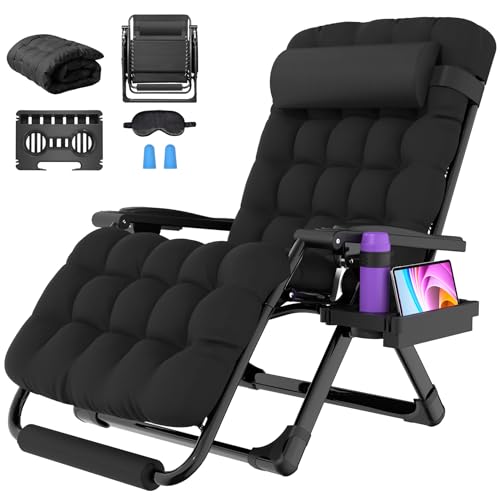
- Flat recline: The chair lays completely flat for sunbathing. Often paired with a face cutout on poolside models — see lounge chairs with a face hole for that specific use case.
If you plan to read or nap outdoors regularly, an adjustable-back lounge chair is worth prioritizing. If the chair will mainly host conversation, a fixed back with a well-shaped seat is often more comfortable than a poorly built recliner.
Cushions: Comfort That Survives the Weather
Cushions are where most outdoor chairs succeed or fail. A beautiful frame with a soggy, faded cushion becomes unusable after a few rainy weeks. Focus on foam type, fabric, and cover construction.
Foam
Quick-dry foam allows water to pass through and air to circulate, reducing mildew risk. High-density foam holds shape longer but dries more slowly. Many quality cushions combine a quick-dry core with a softer top layer. Avoid standard upholstery foam, which traps water and degrades quickly outdoors.
Fabric
Solution-dyed acrylic and olefin are the leading outdoor fabrics. They resist fading, mold, and mildew, and hold color after repeated sun exposure. Polyester is common in entry-level cushions but fades faster. Confirm the fabric is explicitly labeled outdoor-rated rather than relying on the chair's marketing language.
Covers and Cleaning
Removable, zippered covers simplify washing and extend cushion life. Look for double-stitched seams and sealed zippers. If you are refreshing an existing chair, our guides to lounge chair cushion sets and replacement cushions cover sizing and fit. For wet climates, waterproof lounge chair cushions reduce drying time after rain.
Comparing Lounge Chair Tiers
The table below groups lounge chairs by market tier rather than by any numeric figure. Use it to align expectations with what each tier typically delivers.
| Tier | Typical Frame | Cushion Quality | Best For | Maintenance Level |
|---|---|---|---|---|
| Entry-level | Resin, basic aluminum, thin steel | Standard foam, polyester fabric | Occasional use, seasonal setups, balconies | Moderate — covers recommended |
| Mid-range | Powder-coated aluminum, quality resin | Quick-dry foam, solution-dyed acrylic | Daily use, family patios, poolside | Low to moderate |
| Premium | Thick-wall aluminum, teak, eucalyptus | High-density quick-dry, premium acrylic | Frequent lounging, reading, sunbathing | Low with routine care |
| Luxury | Marine-grade aluminum, premium teak | Multi-layer quick-dry, designer fabrics | Year-round use, resort-style spaces | Low — built for longevity |
| Commercial-grade | Reinforced aluminum, stainless hardware | Contract-grade quick-dry foam | High-traffic, hospitality, shared spaces | Minimal — engineered for heavy use |
Mid-range models usually offer the most balanced combination of comfort and durability for typical residential use. Entry-level chairs are a reasonable starting point for light, seasonal use, while premium and luxury tiers focus on long-term comfort and refined materials.
Sizing and Space Planning
A lounge chair needs more clearance than a dining chair because the back reclines and your legs extend forward. Plan for roughly 30 inches of depth behind the chair for reclining and 24 inches of walking clearance in front. On a narrow balcony, a compact or folding lounger keeps the space usable — see lounge furniture for small spaces for layout strategies.
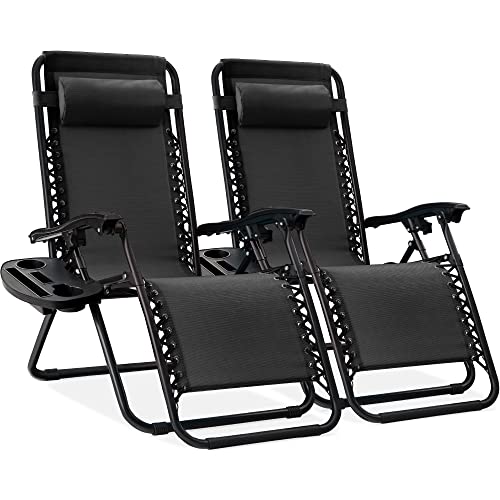
Pair a single lounge chair with a small side table for drinks and a book. If you are building a full relaxation zone, coordinate the chair with an outdoor ottoman for leg support or a lounge bed for shared sunbathing. For poolside setups, look for lounge chairs that won't rust and pair them with a matching set of two for symmetry.
Lightweight folding models like the lightweight folding chaise lounge chair are ideal when the chair needs to be stored or moved frequently. Hanging and swing variations, such as the hanging curved steel chaise lounge, suit covered porches with sturdy overhead mounting.
Care and Longevity
Outdoor lounge chairs last longest when they are cleaned before dirt embeds and stored before extreme weather arrives. A simple routine covers most needs:
- Rinse frames monthly with mild soap and water; dry with a soft cloth.
- Touch up powder-coat chips immediately to prevent corrosion spread.
- Clean cushion covers according to the manufacturer's label; air-dry fully before replacing.
- Store cushions in a ventilated box or indoors during heavy rain and winter.
- Apply a furniture cover during off-season months if the chair stays outside.
- Re-oil wood frames annually to preserve color and prevent cracking.
For a full seasonal routine, pair this guide with our broader outdoor lounge chair care and maintenance notes. Well-maintained chairs routinely last many seasons beyond their warranty period.
Frequently Asked Questions
What materials are best for outdoor lounge chairs?
Aluminum is lightweight and rust-proof, making it ideal for frequent moving. Powder-coated steel offers heavy-duty support. Teak and eucalyptus provide natural warmth with proper sealing. High-density polyethylene resin and wicker are weather-resistant and low-maintenance. Choose based on climate, usage, and how much care you want to invest.
How do I choose the right lounge chair cushion?
Look for quick-dry foam wrapped in solution-dyed acrylic or olefin fabric. These resist fading, mold, and mildew. Thicker cushions offer more comfort but dry slower. Removable covers with zippers simplify cleaning. Always confirm the cushion is labeled outdoor-rated and matches the chair's seat dimensions.
Are adjustable-back lounge chairs worth choosing?
Yes. An adjustable back lets you shift from upright reading to a flat recline for sunbathing. Multi-position mechanisms are common in mid-range and premium tiers, while entry-level models often offer two or three fixed angles. Consider how you plan to use the chair most often before deciding.
How do I prevent outdoor lounge chairs from rusting?
Choose chairs with powder-coated aluminum or stainless steel hardware. Avoid bare steel in coastal or humid climates. Wipe down frames after rain, store cushions indoors when wet, and apply touch-up paint to chips promptly. Proper covers and winter storage extend the frame's lifespan significantly.
Can outdoor lounge chairs stay outside year-round?
It depends on the material and climate. Aluminum, resin, and high-grade wicker can stay out year-round in mild climates with minimal care. Wood and steel need more protection. In freezing or storm-prone regions, move chairs to covered storage during the off-season to preserve finish and structural integrity.