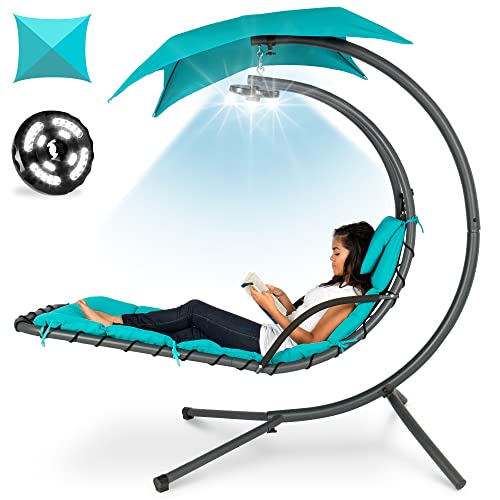
Outdoor Hanging Curved Steel Chaise Lounge: The Complete Buyer's Guide
Curved steel frames, suspended comfort, and a sculptural silhouette — learn how a hanging chaise lounge transforms an ordinary patio into a true retreat, and what to check before you choose one.
Explore Buying CriteriaWhy this guide matters: An outdoor hanging curved steel chaise lounge sits at the intersection of furniture and architecture. It is a suspended seat, a statement piece, and a structural commitment. Most shoppers who reach this page already know they want one — the real question is which configuration suits their space, their climate, and the way they actually relax outdoors.
This guide breaks down frame construction, suspension systems, comfort layers, placement planning, and long-term care so you can move from research to a confident decision.
What Is an Outdoor Hanging Curved Steel Chaise Lounge?
A hanging curved steel chaise lounge is a suspended lounge chair built around a steel frame that arcs in a gentle curve, supporting an elongated seat designed for reclining. Instead of four legs resting on the ground, the seat hangs from a single suspension point — typically a chain, cable, or integrated hanger — attached to a beam, pergola, porch ceiling, or freestanding swing stand.
The curved frame is more than a design flourish. It creates a cradle-like profile that distributes body weight along the length of the seat, encourages a natural recline angle, and gives the piece its distinctive floating appearance. Compared with a hanging egg chair, which is compact and upright, a chaise lounge is elongated and oriented for full-body lounging.
Because the suspension point carries the load, the steel frame and hanging hardware are the two most important engineering elements. A well-built model feels stable and quiet; a poorly specified one may sway excessively or develop stress at the joints over time.
Anatomy of a Well-Built Hanging Chaise
Understanding the components helps you evaluate listings and ask better questions before purchase. Here are the parts that matter most:
Steel Frame
The structural spine. High-grade steel with a powder-coated or rust-proof finish resists corrosion and holds its shape under load. Look for reinforced welds at the curve and suspension mount.
Suspension System
Chain, cable, or integrated hanger. The hardware should be rated for the combined weight of the chair and the user, with a safety margin. Swivel or spring options change the feel of the swing.
Seat & Cushion
Quick-dry foam and weather-resistant fabric are standard on better models. Removable, washable covers extend usability across seasons.
Mounting Point
Beam, joist, pergola, or swing stand. The mount must be structural — never drywall or decorative trim. This is the single most important safety decision.
Finish
Powder coating, galvanized treatment, or painted steel. A rust-proof finish is essential for humid or coastal environments.
Stability Features
Anti-sway straps, weighted bases on stands, and balanced center-of-gravity design reduce unwanted motion in wind.
Why Homeowners Choose a Hanging Curved Steel Chaise Lounge
The appeal goes beyond aesthetics. A suspended chaise delivers practical benefits that a grounded lounger cannot match:
- Full-body recline in a small footprint. Because the seat hangs rather than extends legs outward, it can fit into tighter spots — a real advantage for outdoor lounge furniture for small spaces and balcony layouts.
- Gentle motion. The subtle sway is soothing and turns a simple seat into a destination for reading, napping, or an evening drink.
- Sculptural presence. The curved steel silhouette reads as intentional design, not just furniture. It anchors a corner of the patio visually.
- Airflow and drainage. Suspended seats sit above the ground, improving ventilation underneath and reducing moisture buildup compared with low-slung loungers.
- Versatility. With a freestanding stand, the chaise can move between a deck, a lawn, or a covered porch without structural modification.
Buying Criteria: What to Evaluate Before You Choose
Listings vary widely in specification. Use the following criteria to compare models on substance rather than styling alone.
1. Frame Gauge and Weld Quality
Thicker steel tube walls and clean, continuous welds indicate a frame built to hold its shape. On a curved chaise, the arc is a stress point — inspect or read reviews for any mention of flexing, creaking, or joint fatigue. Heavy-duty construction should feel rigid when you push gently against the seat edge.
2. Suspension Hardware Rating
The chain, cable, or hanger must be rated for the chair's weight plus the user's weight, with margin. Stainless steel hardware is preferable outdoors. If a swivel is included, confirm it is load-rated rather than decorative.
3. Cushion and Fabric Specification
Quick-dry foam, solution-dyed acrylic or polyester, and removable covers are the markers of a piece designed for real outdoor use. A cushion that retains water will shorten the useful life of the seat and complicate storage.
4. Mounting Compatibility
Confirm whether the model ships with a stand, a ceiling mount kit, or neither. If you plan to hang from a pergola or porch beam, verify the beam is structural and that the hanger matches the beam material. If not, a freestanding steel stand is the safer route.
5. Finish and Climate Fit
Powder-coated steel suits most climates. Coastal and humid regions benefit from galvanized or explicitly rust-proof finishes. Review the care instructions and warranty language for exposure limits.
6. Dimensions and Swing Arc
Measure the full swing radius, not just the resting footprint. Allow clearance on all sides so the chair does not contact walls, railings, or other furniture during motion.
Market Tiers: Matching Specification to Your Needs
Rather than comparing listings by figures, it helps to understand how the market segments. The table below uses universal quality descriptors so you can place any model on the spectrum.
| Tier | Typical Construction | Best For |
|---|---|---|
| Entry-level | Lighter steel tube, basic powder coat, standard chain hardware, simpler cushion. | Occasional use, covered porches, first-time buyers testing the format. |
| Mid-range | Thicker frame, reinforced welds, stainless hardware, quick-dry cushion with removable cover. | Regular daily use, family patios, mixed climates. |
| Premium | High-grade steel, refined finish, swivel or spring suspension, premium weather-resistant fabric. | Design-focused spaces, long-term outdoor exposure, frequent lounging. |
| Luxury / commercial-grade | Architectural frame, professional suspension system, custom cushioning, extended warranty. | Hospitality settings, high-use households, statement installations. |
Rule of thumb: mid-range models usually offer the most balanced combination of durability and comfort for typical residential use. Entry-level pieces are fine for seasonal or covered settings, while premium and commercial-grade tiers make sense when the chaise will be used daily and exposed year-round.
Placement and Installation Planning
Installation is where most hanging chaise projects succeed or fail. Plan the location before the product arrives.
- Structural mount first. Identify a load-bearing beam, porch joist, or pergola crossbeam. Consult a contractor if you are unsure — the suspension point carries dynamic load, not just static weight.
- Or use a freestanding stand. A steel swing stand eliminates structural questions and allows repositioning. It is the most flexible option for renters and apartment patios.
- Respect the swing arc. Allow clearance in every direction, including above head height, so the chair never strikes a structure during use.
- Consider sun and wind. A partially shaded spot protects the cushion and finish; a sheltered position reduces sway on windy days.
- Coordinate with shade and lighting. A hanging chaise pairs naturally with a nearby outdoor lighting scheme and a shade structure such as a pergola.
Comfort, Ergonomics, and the Lounging Experience
A curved steel chaise should support the body along its length rather than concentrating pressure at the hips and shoulders. The curve of the frame sets the recline angle; the cushion determines how that angle feels in practice.
Look for a seat length that accommodates your height with the head supported and the legs uncramped. Quick-dry foam with a removable cover maintains comfort across seasons, and a slight headrest or neck pillow improves the reading and napping experience. If you value stillness, choose a fixed hanger; if you enjoy gentle motion, a swivel or spring suspension adds a calming sway.
For a broader look at complementary seating, the outdoor lounge chair category covers grounded alternatives, while outdoor lounging explores the wider relaxation setup.
Safety Checklist Before First Use
- Confirm the mounting point is structural, not drywall or trim.
- Verify the suspension hardware is rated for the combined load.
- Check that all bolts, chains, and connections are tightened to specification.
- Test the swing arc with a gentle push before sitting.
- Inspect welds and joints periodically for cracks or flexing.
- Remove or secure the chaise during high winds or storms.
Care and Long-Term Maintenance
Steel is durable, but finish and hardware need attention to stay that way. Clean the frame with mild soap and water, rinse, and dry — especially in coastal areas where salt accumulates. Touch up any chips in the powder coat promptly to prevent corrosion from spreading.
Inspect chains, cables, and swivels each season. Lubricate moving metal parts sparingly with a product suited to outdoor hardware. Remove the cushion during heavy rain or winter, and cover the frame if it stays outdoors through the off-season. A little maintenance keeps the chaise looking and feeling like new for years — a worthwhile long-term investment in your outdoor space.
For related maintenance advice, see the broader outdoor living resources, and if you are also furnishing a dining zone, the outdoor patio dining sets guide is a useful companion.
Frequently Asked Questions
Is an outdoor hanging curved steel chaise lounge safe for daily use?
Yes, provided the frame is properly anchored and the hanging hardware is rated for the combined weight of the chair and the user. Correct installation is the key safety factor.
What type of ceiling or beam do I need to hang a chaise lounge?
You need a solid structural member such as a pergola beam, a reinforced porch ceiling joist, or a dedicated steel swing stand. Drywall and decorative trim are not suitable mounting points.
Will a steel hanging chaise lounge rust outdoors?
A high-grade steel frame with a powder-coated or rust-proof finish is designed for outdoor exposure. Regular cleaning and seasonal inspection of joints and hardware keep the finish intact.
How much space does a hanging curved steel chaise lounge need?
Plan for the full swing arc plus clearance on all sides. A hanging chaise typically needs a footprint noticeably larger than its resting position, so measure the swing radius before choosing a spot.
Can a hanging chaise lounge stay outside all year?
Many steel models are weather-resistant, but in regions with harsh winters or heavy storms, removing the cushion and covering or storing the frame protects the finish and suspension hardware.
Ready to Bring a Hanging Chaise to Your Patio?
Review the recommended outdoor hanging curved steel chaise lounge options below and compare their specifications against the criteria in this guide.
See Recommended Options