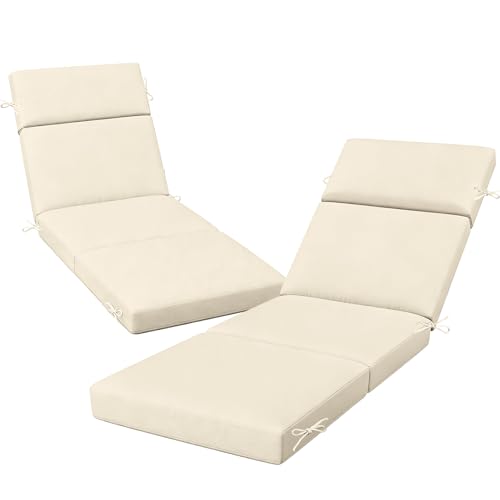
Outdoor Lounge Chair Replacement Cushions: The Complete Buying Guide
Your lounge chair frame is still solid, but the cushions have faded, flattened, or lost their shape. This guide explains how to choose replacement cushions that fit properly, resist the weather, and restore comfort for seasons to come.
Explore Recommended CushionsWhy replacement cushions matter: A lounge chair is only as comfortable as the cushion it carries. Replacing worn cushions is one of the most efficient ways to extend the life of your outdoor lounge chairs without replacing the entire frame. The right cushion improves support, protects the frame from moisture buildup, and refreshes the look of your patio without a full redesign.
When to Replace Your Lounge Chair Cushions
Cushions do not fail all at once. Most deteriorate gradually, and it is easy to overlook the signs until sitting becomes uncomfortable. Consider replacement when you notice any of the following:
- Flattened fill: The cushion no longer springs back after you stand up, leaving a visible depression.
- Fabric wear: Fading, thinning, pilling, or small tears along seams and edges.
- Moisture problems: Persistent dampness, musty odor, or mildew spots that return after cleaning.
- Broken zippers or ties: Fasteners that no longer hold the cushion securely to the frame.
- Visible staining: Stains that have set into the fabric and resist normal cleaning.
If your frames are in good condition, replacement cushions are the practical path forward. If the frames themselves are showing rust, cracked welds, or structural wobble, it may be time to evaluate a new outdoor lounge chair instead.
How to Measure for a Proper Fit
Fit is the single most important factor in a successful cushion replacement. A cushion that is too small slides around; one that is too large will not sit flat and stresses the seams. Measure the seat of your chair in three dimensions:
- Width: Measure across the seat at its widest point, from the inside of one arm to the inside of the other.
- Depth: Measure from the front edge of the seat to the backrest.
- Thickness: Check the original cushion or the space between the seat platform and any retaining strap. Most lounge chair cushions fall in the 2 to 4 inch range.
For chaise-style loungers, also note whether the cushion is a single continuous piece or a hinged two-section design that folds at the knee. Many buyers find it helpful to compare their measurements against a set of two lounge chair cushions so both chairs in a pair match exactly.
Fabric and Fill: What to Look For
Outdoor cushions face sun, rain, and repeated compression. The materials determine how long they last and how comfortable they remain.
- Solution-dyed acrylic and polyester: These fabrics hold color well against UV exposure and resist fading over multiple seasons. They are the most common choice for mid-range and premium cushions.
- Olefin: A durable, moisture-resistant fiber that handles humidity well and dries relatively quickly.
- Water-resistant treatments: Look for cushions described as waterproof lounge chair cushions, which typically use coated fabrics or sealed seams to keep water out of the core.
- Fill options: Polyester fiberfill is the standard and offers a soft, compressible feel. High-resilience foam holds shape longer under daily use. Blended fills balance softness with support.
Breathability matters as much as water resistance. A cushion that traps moisture inside can develop mildew even if the outer fabric sheds rain. Quick-drying fill and ventilated fabric constructions reduce this risk.
Quality Tiers: What Each Level Offers
Replacement cushions are available across a wide spectrum of construction quality. Using consistent tier descriptors helps you compare options without relying on numbers that change over time.
Entry-Level Tier
Basic polyester covers and standard fiberfill. Suitable for covered porches or light seasonal use. These cushions are a solid choice for refreshing a chair that sees occasional use, and they are generally easy to replace again if needed.
Mid-Range Tier
Solution-dyed fabrics with high-resilience foam or blended fill. Better UV resistance and shape retention than entry-level options. This tier is the balanced choice for most households with regular daily use through the warmer months.
Premium Tier
Heavy-duty outdoor fabrics, reinforced seams, and high-density foam cores. Designed for full-sun exposure and frequent use. The construction is more durable and typically holds color and shape longer than lower tiers.
Within each tier, check the specific construction details rather than assuming all products at that level are equal. Stitched seams, zippered covers for cleaning, and secure attachment ties are meaningful differences regardless of tier.
Comparison at a Glance
| Feature | Entry-Level Tier | Mid-Range Tier | Premium Tier |
|---|---|---|---|
| Fabric | Standard polyester | Solution-dyed acrylic or olefin | Heavy-duty solution-dyed fabric |
| Fill | Basic fiberfill | High-resilience foam or blend | High-density foam with reinforced core |
| UV Resistance | Moderate | Good | Excellent |
| Shape Retention | Short-term | Multi-season | Long-term with proper care |
| Best For | Covered porches, light use | Everyday patios, regular use | Full sun, frequent use |
Attachment Systems and Stability
A cushion that shifts when you sit down quickly becomes frustrating. Most replacement cushions use one of three attachment methods:
- Seat ties: Fabric ties loop around the frame or arms. Simple and effective, but check that the ties match your frame dimensions.
- Elastic straps: Straps with hooks or loops that anchor under the seat. Common on outdoor patio chair cushions and easy to replace if they wear out.
- Non-slip backing: Textured undersides that grip the seat surface. Best for flat, rigid seats without attachment points.
If you are refreshing a high-backed chair, note that some cushions are designed specifically for taller backs and may not fit standard lounge frames. A set of high-back chair cushions is a different fit category from a standard lounge cushion, so confirm the back height before choosing.
Care and Maintenance for Longer Life
Replacement cushions last longer with a few simple habits:
- Brush off loose debris regularly to prevent it from working into the fabric weave.
- Clean with mild soap and water, then rinse thoroughly and air dry standing on edge.
- Bring cushions indoors or store them in a dry, ventilated space during extended rain or off-season months.
- Avoid leaving cushions in standing water or on surfaces that trap moisture underneath.
- Rotate cushions periodically so wear and sun exposure distribute evenly.
For broader maintenance guidance across your patio setup, see our outdoor living resource hub, which covers furniture care, storage, and seasonal upkeep.
Matching Cushions to Your Existing Furniture
Replacement cushions do not need to match the originals exactly, but they should complement the frame and the surrounding pieces. Neutral tones such as sand, charcoal, and sage work with most frame finishes and allow you to change accent colors later. If your patio already leans toward a particular style, browse our patio furniture with black cushions for a sense of how darker tones read against different frames, or review lounge chairs sold in pairs to understand how manufacturers pair cushions with frames.
For smaller spaces, a coordinated outdoor lounge furniture set for small spaces often uses compact cushion dimensions that differ from full-size loungers, so double-check the seat depth before ordering a replacement.
Frequently Asked Questions
Can I use indoor cushions on an outdoor lounge chair?
Indoor cushions are not built for moisture or UV exposure. They absorb water quickly and fade under direct sun, which shortens their usable life considerably. Outdoor-specific fabrics and fills are designed to handle these conditions.
How do I know if a cushion will fit my chair?
Measure the seat width and depth precisely, then compare against the cushion's listed dimensions. Also check the back height if your chair has a tall back, since high-back cushions follow different proportions than standard lounge cushions.
Are replacement cushions sold individually or in sets?
Both options exist. Single cushions suit one-chair refreshes, while sets keep pairs consistent. Browse lounge chair cushion sets if you are updating a matching pair.
How often should cushions be replaced?
It depends on exposure and use. Cushions in full sun and daily use may need replacement every few seasons, while covered porches extend life considerably. Inspect for flattening and fabric wear each season.
Can I machine wash outdoor cushion covers?
Only if the manufacturer specifies it. Many outdoor covers are spot-clean only, and machine washing can damage water-resistant coatings. Always check the care label before washing.
Final Checklist Before You Buy
- Confirm seat width, depth, and required thickness.
- Check back height if your chair has a tall backrest.
- Choose a fabric suited to your sun and rain exposure.
- Verify the attachment method matches your frame.
- Consider buying a set if you are refreshing a pair of chairs.
- Plan for storage during off-season months.
With the right measurements and material choices, replacement cushions restore comfort and extend the life of your lounge chairs without a full furniture replacement. Ready to compare options? The recommended products below are selected for the outdoor lounge chair replacement cushion category.