Outdoor Patio Heaters: The Ultimate Buying Guide
Extend your outdoor season with the perfect patio heater. Compare gas, electric, and propane models, understand BTUs, safety, and find the best heater for your space and budget.
Shop Top-Rated HeatersWhy Trust This Guide? We've analyzed dozens of outdoor heaters, consulted safety standards, and reviewed real-world performance data to help you choose a heater that's safe, efficient, and stylish. Whether you're heating a small balcony or a large patio, we've got you covered.
Types of Outdoor Heaters: Gas, Electric & Propane
🔥 Gas Patio Heaters
Propane or natural gas heaters are powerful and can heat large areas quickly. They are ideal for spacious patios and commercial settings. Look for models with adjustable heat settings and safety features like tip-over shutoff.
Best for: Large patios, outdoor dining areas, and year-round entertaining.
⚡ Electric & Infrared Heaters
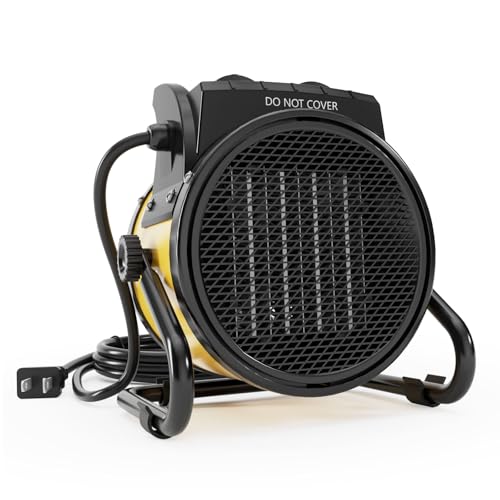
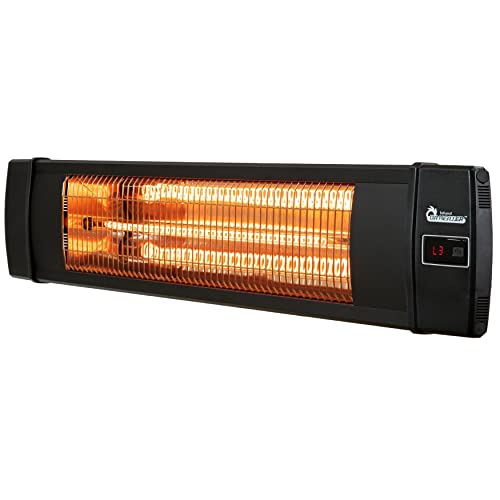
Electric patio heaters are plug-and-play, requiring no gas lines or propane tanks. Infrared models heat objects and people directly, making them highly efficient in windy conditions. They're perfect for covered patios and smaller spaces.
Best for: Covered patios, small balconies, and indoor/outdoor spaces.
🛢️ Portable Propane Heaters
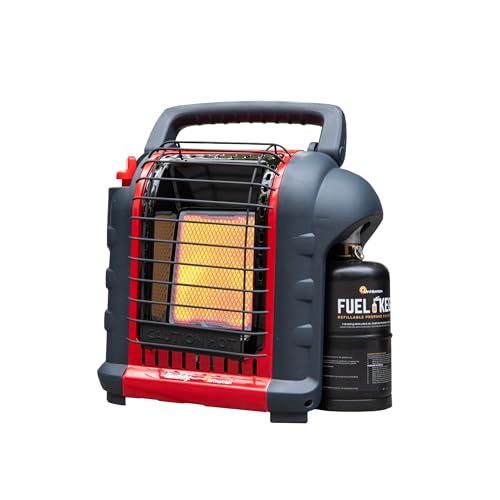
Freestanding or tabletop propane heaters offer excellent portability. They run on standard 20 lb propane tanks and are easy to move around. Many models include a safety valve and automatic shutoff. Ideal for camping, tailgating, or flexible patio setups.
Best for: Flexibility, events, and spaces without gas lines.
Outdoor Heater Comparison: Which Type is Right for You?
| Feature | Gas (Propane/Natural) | Electric / Infrared |
|---|---|---|
| Heating Power | High (40,000+ BTUs) | Low to medium (1,500–5,000W) |
| Best For | Large, open spaces | Covered or small areas |
| Installation | Requires gas line or tank | Plug into standard outlet |
| Running Cost | Moderate (propane refills) | Low to moderate (electricity) |
| Safety Features | Tip-over shutoff, ODS | Overheat protection, cool-touch |
| Average Price | $200 – $1,200 | $80 – $500 |
How to Choose the Best Outdoor Heater
1. Consider Your Space & Layout
Measure your patio or deck. For larger areas, gas heaters with high BTUs are more effective. For small balconies or covered porches, electric or infrared heaters are a better fit. Balcony-friendly options are also available.
2. Power Source & Fuel Type
Decide between gas, electric, or propane based on your setup. Outdoor entertaining often benefits from portable propane heaters, while permanent installations favor natural gas lines.
3. Safety & Weather Resistance
Look for heaters with sturdy bases, tip-over protection, and weather-resistant materials (stainless steel or powder-coated aluminum). Always follow manufacturer guidelines for safe placement.
4. Style & Design
Heaters come in various styles, from sleek pyramid models to modern lamp-post designs. Choose one that complements your outdoor color scheme and overall patio decor.
5. Noise & Maintenance
Gas heaters can produce some noise; electric models are generally silent. Maintenance is minimal for electric, while gas heaters require occasional cleaning and tank refills.
6. Budget & Long-Term Value
Consider both upfront cost and running expenses. While gas heaters cost more to operate, they deliver superior heat output. Electric models are more energy-efficient for small spaces.
✅ Essential Features to Look For
- Tip-over automatic shutoff
- Oxygen Depletion Sensor (ODS) for gas heaters
- Weather-resistant construction (stainless steel, coated aluminum)
- Adjustable heat settings
- Stable, weighted base
- Easy ignition (piezo or electronic)
- Safety certification (UL, CSA, ETL)
- Warranty and customer support
Outdoor Heater Safety & Placement Guide
📍 Safe Placement
- Place heater on a flat, stable surface.
- Keep at least 3 feet away from flammable materials (furniture, plants, curtains).
- Ensure proper clearance from ceilings (minimum 3–4 feet).
- Never use indoors or in enclosed spaces.
🌧️ Weather & Storage
- Cover your heater when not in use with a weatherproof cover.
- For gas heaters, turn off and disconnect the tank during extreme weather.
- Store propane tanks upright and outdoors.
- Check for rust or damage before each use.
Frequently Asked Questions About Outdoor Heaters
How many BTUs do I need for my patio?
A good rule of thumb is 20–30 BTUs per square foot. For a 200 sq ft patio, a 4,000–6,000 BTU heater is sufficient. Gas heaters typically range from 30,000 to 50,000 BTUs.
Are electric patio heaters safe in rain?
Most electric heaters are rated for outdoor use but should be used under a covered area or with a weatherproof cover. Always check the IP rating.
Can I use a patio heater on a wooden deck?
Yes, if used with proper safety precautions. Use a non-combustible base and ensure the heater is stable. Gas heaters should be placed on a non-flammable surface.
What's the most energy-efficient outdoor heater?
Infrared electric heaters are the most energy-efficient as they heat objects directly, wasting less heat to the air. Propane heaters are less efficient but provide high heat output.