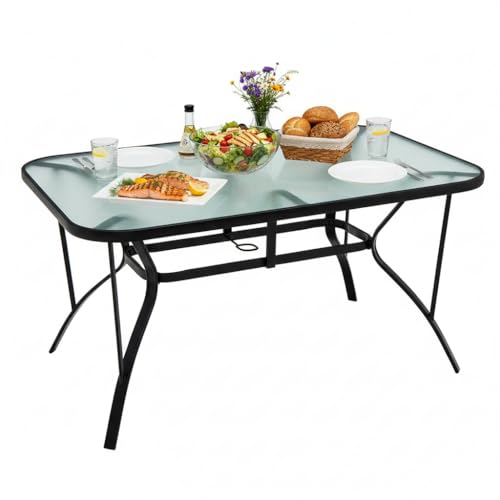
Outdoor Glass Dining Table with Umbrella Hole: The Complete Buyer's Guide
Everything you need to know about choosing a glass-top patio dining table with an umbrella hole — glass types, frame materials, sizing, umbrella compatibility, and long-term care.
Why this guide matters: A glass dining table with an umbrella hole is one of the most popular choices for patios, decks, and poolside areas because it combines a clean, modern look with practical shade. But glass-topped outdoor tables vary widely in build quality, and choosing the wrong combination of glass, frame, and hardware can lead to wobble, fading, or safety concerns. This guide walks you through every decision so you can buy with confidence.
What Is an Outdoor Glass Dining Table with an Umbrella Hole?
An outdoor glass dining table with umbrella hole is a patio dining table featuring a glass tabletop with a pre-drilled center opening designed to accept a patio umbrella pole. The hole is typically reinforced with a metal or plastic grommet ring to protect the glass edge and keep the umbrella centered. These tables are usually paired with a separate umbrella base underneath the table, or with a weighted base that sits on top of the table surface depending on the design.
The appeal is straightforward: glass reflects light beautifully, makes small outdoor spaces feel more open, and wipes clean easily after meals. When you add an umbrella hole, the table becomes a true all-day dining solution — shaded at midday and usable into the evening. If you are comparing broader furniture categories, our guide to outdoor glass tables covers the full range of glass-top options beyond dining.
Why Choose a Glass Top for Outdoor Dining?
Glass tabletops occupy a specific niche in the outdoor furniture market. They are not the right choice for every household, but for many buyers they offer a compelling mix of benefits.
Key Advantages
- Visual lightness: Glass does not visually crowd a patio. On small balconies or compact decks, a glass top keeps sightlines open compared with solid wood or stone.
- Easy cleaning: Food, drinks, and pollen wipe away with a damp cloth. There are no grooves or slats where crumbs collect.
- Modern aesthetic: Glass pairs naturally with aluminum, steel, and wicker frames, suiting contemporary and transitional patio styles.
- Heat resistance: Tempered glass handles hot plates and direct sun well, unlike some resin or composite tops that can warp or discolor.
- Umbrella integration: A centered umbrella hole in glass looks cleaner than slatted alternatives and keeps the pole perfectly vertical.
Trade-Offs to Consider
- Glass shows water spots and fingerprints more readily than textured surfaces, so it needs more frequent wiping.
- It is heavier than it looks — a large glass top can make the table difficult to move alone.
- Wind safety requires attention; glass-topped tables need a stable, heavy base or anchoring in exposed locations.
- While tempered glass is impact-resistant, it is not impact-proof. Dropping a heavy object on the edge can still cause failure.
Glass Types: What to Look For
Not all glass is created equal. The specification of the glass top is the single most important safety and durability factor in this category.
Tempered Glass (Safety Glass)
Tempered glass is heat-treated so that it is several times stronger than ordinary annealed glass. If it breaks, it shatters into small, relatively blunt granules rather than long sharp shards. For any outdoor dining table, tempered glass should be considered the baseline requirement. Tables that do not explicitly state tempered construction should be treated with caution.
Glass Thickness
Thickness affects rigidity and how the table feels under load. Thicker glass reduces flex and vibration, which matters on larger table spans. Entry-level tables often use thinner glass, while mid-range and premium models typically step up to heavier tempered panels with better edge finishing.
Edge Treatment
Look for polished or beveled edges. Flat-polished edges are the minimum for a quality feel; beveled edges add visual refinement and slightly reduce the risk of chipping at the perimeter. Rough or unfinished edges are a sign of cost-cutting and are more prone to chipping over time.
Tinted, Frosted, and Clear Options
Clear glass is the most common and shows off the frame design. Tinted glass (often bronze or grey) reduces glare and hides water spots, making it practical for sunny patios. Frosted or textured glass adds privacy and a softer look, though it can be harder to wipe completely clean. Each option is a legitimate choice depending on your setting.
Frame Materials That Pair Well with Glass
The frame carries the structural load and determines how the table ages outdoors. Glass tops are most often mounted on metal frames, but there are variations worth understanding.
| Frame Material | Market Tier | Best For |
|---|---|---|
| Powder-coated aluminum | Mid-range to premium | Most patios; rust-proof, lightweight, low maintenance |
| Stainless steel | Premium to luxury | Coastal and humid climates; heavy-duty, highly durable |
| Powder-coated steel | Entry-level to mid-range | Sheltered patios; solid build, requires rust inspection |
| Wicker or rattan over metal | Mid-range | Coastal, bohemian, and transitional style patios |
| Wood (teak, eucalyptus) | Premium | Rustic and natural-look patios; needs seasonal sealing |
Powder-coated aluminum is the most balanced choice for most buyers: it is rust-proof, light enough to reposition, and available across all tiers. Stainless steel is the top-tier option for coastal environments where salt air is a factor. Steel frames are solid but require periodic inspection for chips in the coating. If you are matching your table to a broader furniture set, our overview of outdoor furniture that can withstand weather explains how different materials perform season after season.
Understanding the Umbrella Hole
The umbrella hole is a small detail with outsized importance. Here is what to check.
Hole Diameter and Grommet
Most patio umbrella holes are between 1.5 and 2 inches in diameter, sized to accept standard umbrella poles. A metal or plastic grommet ring lines the opening to protect the glass edge from the pole and to reduce rattling in wind. Never buy a glass table with a bare drilled hole and no ring — that is a stress point waiting to crack.
Umbrella Base Compatibility
The umbrella must be supported by a base, not by the table itself. Two configurations are common: a base that sits on the ground beneath the table (sometimes called a through-table base), and a base that sits on top of the tabletop around the pole. Through-table bases are more stable and keep the tabletop clear for serving. If you plan to use a cantilever umbrella instead, you may not need the hole at all — in that case, our guide to outdoor furniture table and chairs with umbrella covers alternative setups.
Center Hole vs. Offset Hole
Center holes are standard. Some larger rectangular tables place the hole slightly off-center or provide two holes to allow umbrella repositioning. Two-hole designs add flexibility but also add potential water ingress points — check that each hole has a proper grommet.
Sizing the Table to Your Space and Umbrella
Getting the size right prevents both crowding and wasted space. As a rule of thumb, allow at least 24 to 30 inches of tabletop width per seated diner, plus 30 to 36 inches of clearance around the table for chair pull-out.
- Round tables (42–48 inches): Best for compact patios and four diners. Pair with a 7.5 to 9-foot umbrella.
- Rectangular tables (60–72 inches): Suit six diners and long narrow decks. Pair with a 9-foot umbrella.
- Large rectangular or oval tables (84+ inches): Eight or more diners; consider a 9 to 11-foot umbrella or dual umbrellas.
The umbrella canopy should overhang the table edges slightly without blocking sightlines or hitting chair backs. If your space is tight, review our guide to outdoor furniture for a small screened-in porch for layout ideas that make compact dining work.
Tier-by-Tier Buying Guidance
Instead of tracking fluctuating market figures, it helps to understand what distinguishes each quality tier. Use these descriptions to calibrate expectations.
Entry-Level Tier
Entry-level glass dining tables typically use thinner tempered glass on a lightweight powder-coated steel or aluminum frame. They are functional and fine for sheltered patios and occasional use. Expect simpler edge finishing, lighter hardware, and a more modest umbrella grommet. These are a solid choice for renters or seasonal setups.
Mid-Range Tier
Mid-range tables step up to thicker tempered glass, cleaner edge polishing, and sturdier frames with better welds and reinforced umbrella collars. Powder-coated aluminum is common at this tier, giving rust-proof performance without excessive weight. This is where most buyers find the best balance of durability and design, and where umbrella integration is most carefully engineered.
Premium and Luxury Tiers
High-end tiers bring heavier glass panels, beveled edges, stainless steel or heavy-gauge aluminum frames, and precision hardware. Some include integrated umbrella bases, leveling feet, or weather-sealed grommets. These are long-term investments for households that dine outdoors frequently and want the table to remain a centerpiece for many seasons.
Planning a complete dining setup?
Glass tables rarely stand alone. Pair yours with the right chairs, umbrella, and base by exploring our guide to outdoor dining table with umbrella hole and chairs, or compare full sets in our outdoor dining table set with umbrella hole overview.
Stability, Wind, and Safety
A glass tabletop with a center hole has less material continuity than a solid top, which makes frame rigidity and base weight especially important. Keep these points in mind:
- Anchor the umbrella base: Umbrellas act like sails. A heavy base or weighted plates are essential on windy days.
- Choose wide-set legs: Frames with legs that extend to the table edge resist tipping better than narrow pedestal designs.
- Check leveling: Uneven decks cause rocking, which stresses glass over time. Look for adjustable feet.
- Store or cover in storms: Remove the umbrella and cover the table when high winds are forecast.
- Inspect the grommet: Replace worn grommet rings promptly so the pole never contacts bare glass.
Care and Maintenance for Glass Tabletops Outdoors
Glass is low-maintenance but not zero-maintenance. A simple routine keeps it clear and safe.
- Wipe with a soft microfiber cloth and mild soapy water; avoid abrasive pads and ammonia-heavy cleaners on tinted glass.
- Rinse and dry after rain to prevent mineral spots, especially in hard-water areas.
- Use a fitted cover during off-season months and when the table will be unused for extended periods.
- Clean the umbrella hole and grommet periodically to remove debris that can trap moisture.
- Touch up frame chips promptly — even rust-proof finishes benefit from spot repair.
For a broader seasonal routine, see our resource on weatherproofing outdoor furniture and pair it with outdoor furniture covering for the colder months.
Glass vs. Other Tabletop Materials
Glass is one option among several. If you are still deciding, here is how it compares at a high level:
- Glass vs. wood: Glass is easier to clean and won't splinter, while wood offers warmth and a natural look but needs sealing.
- Glass vs. composite/resin: Glass resists heat and UV fading better; composites are lighter and less prone to showing spots.
- Glass vs. stone: Glass is lighter and less prone to staining, while stone is heavier and more impact-resistant.
If you are weighing related umbrella-hole designs, our guides to outdoor dining table with hole for umbrella and outdoor dining table with umbrella hole explore the same functionality in other materials. For a broader category view, the complete outdoor dining tables hub covers all materials side by side.
Common Mistakes to Avoid
- Buying non-tempered glass. Always confirm tempered or safety glass in the specifications.
- Skipping the umbrella base. The table does not support the umbrella — the base does.
- Oversizing the umbrella. A canopy that dwarfs the table can catch wind and stress the pole and grommet.
- Ignoring wind exposure. Glass tables on open decks need heavier bases or anchoring.
- Using the wrong cleaners. Harsh chemicals can etch tinted or coated glass surfaces.
Frequently Asked Questions
Is tempered glass safe for outdoor dining tables?
Tempered glass is the standard for outdoor glass dining tables. It is heat-treated to resist impact and, if it does break, shatters into small rounded pieces rather than sharp shards. Look for tables that explicitly state tempered or safety glass construction.
What size umbrella fits a glass dining table with an umbrella hole?
The umbrella hole itself is typically 1.5 to 2 inches in diameter, which fits most standard umbrella poles. Umbrella canopy size should match your table: a 48-inch round table pairs well with a 7.5 to 9-foot umbrella, while larger rectangular tables suit 9 to 11-foot umbrellas.
How do I protect a glass tabletop outdoors?
Use a fitted furniture cover during off-seasons and storms, clean with a soft cloth and mild soap, avoid dragging items across the surface, and check the umbrella hole ring for wear. Glass-topped tables should also have a stable base so wind cannot tip the table.
Can a glass dining table stay outside all year?
Tempered glass handles weather well, but the frame and hardware determine long-term durability. Powder-coated aluminum and rust-proof finishes hold up best. In freezing climates, bring cushions and umbrellas inside and cover the table to prevent ice expansion in the umbrella hole.
Final Buying Checklist
- Confirm the tabletop is tempered glass with polished or beveled edges.
- Check frame material and finish against your climate (aluminum for general use, stainless for coastal).
- Verify the umbrella hole has a reinforced grommet ring.
- Match table dimensions to your seating needs and patio clearance.
- Plan for a separate umbrella base that suits your pole and wind exposure.
- Review the care routine and confirm a furniture cover is available for the size.
With these points covered, you are ready to choose a glass dining table that will serve your patio reliably for years. For related configurations, including sets with seating, continue with our guide to dining tables with umbrella hole and chairs or explore the full outdoor dining table set category.