The Ultimate Glider Bench Guide: Sway Your Way to Outdoor Relaxation
Discover how a glider bench can transform your patio, porch, or garden into a soothing retreat. Learn about materials, mechanisms, and design choices to find the perfect match for your outdoor lifestyle.
Start Your ResearchWhy a glider bench? Unlike a static bench, a glider bench offers a gentle, soothing motion that mimics the feeling of a porch swing without needing overhead suspension. It's an ideal choice for those who want the comfort of a rocking chair combined with the sociability of a bench — perfect for reading, chatting, or simply unwinding in the fresh air.
Types of Glider Benches: Find Your Perfect Motion
Glider benches come in several distinct designs, each offering a different feel and footprint. Understanding these types will help you match the bench to your space and usage habits.
Traditional Glider Bench
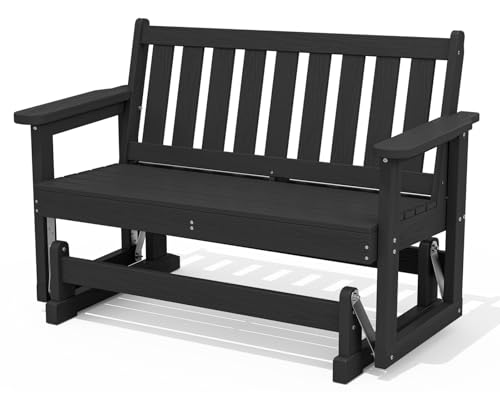
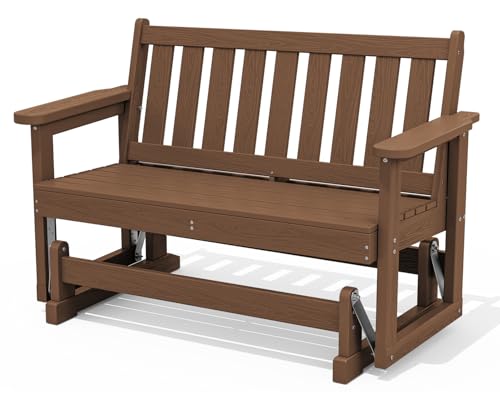
The classic design features a fixed frame with a seat that glides forward and backward on a smooth track system. Ideal for porches and patios with a flat, level surface. These models often include armrests and can seat two to three people comfortably.
Glider Rocker Bench
Combining the motion of a rocking chair with the width of a bench, this style uses curved rockers rather than a track. It offers a deeper, more pronounced sway and works well on decks with slight flexibility. Look for models with safety stops to prevent tipping.
Swivel Glider Bench
For maximum versatility, a swivel glider adds a rotating base, allowing you to turn a full circle before gliding. This is a top-tier choice for open patios where you want to change your view without moving the furniture. The mechanism is typically more complex, placing these in the premium tier.
Materials Matter: Durability Meets Design
The material of your glider bench determines its longevity, maintenance needs, and visual appeal. Here's a breakdown of the most common options:
- Wood (Teak, Acacia, Eucalyptus) Natural beauty and warmth. High-grade teak is naturally weather-resistant and ages gracefully to a silver patina. Acacia and eucalyptus are solid choices for the mid-range tier, though they may require periodic sealing. Wooden gliders pair beautifully with garden furniture collections and garden seats for a cohesive look.
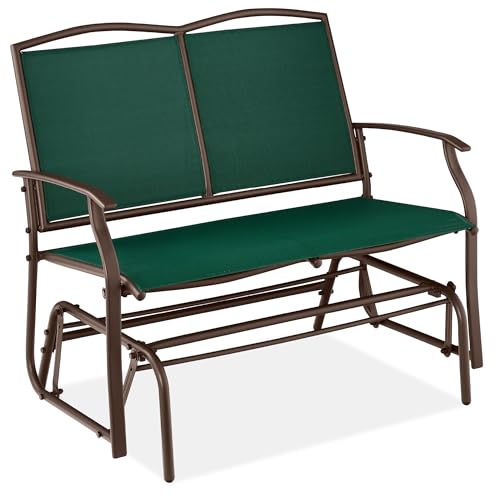
- Metal (Aluminum, Steel, Wrought Iron) Heavy-duty and often rust-proof when finished with a powder coating. Aluminum is lightweight yet sturdy, making it a popular choice for entry-level and mid-range models. Wrought iron offers a timeless, ornate look and is typically found in premium and luxury tiers. Metal gliders are excellent for windy areas where heavy outdoor furniture that won't blow away is a priority.
- Wicker and Rattan (Natural and Synthetic) Offers a relaxed, coastal vibe. Synthetic HDPE wicker is highly durable and weather-resistant, often outperforming natural rattan in outdoor settings. These materials are common in mid-range to high-end tiers. For a comprehensive look at synthetic options, see our guide on HDPE outdoor furniture.
- Recycled Plastic (Poly Lumber) An eco-friendly and incredibly low-maintenance option. It won't rot, crack, or fade, making it ideal for year-round outdoor exposure. Many recycled plastic gliders are commercial-grade and can be left outside without worry — similar to the durability of garden furniture that can be left outside all year.
Comfort & Mechanism: The Heart of the Glide
The quality of the gliding mechanism is the single most important factor in your long-term satisfaction. Here's what to look for:
- Bearing System Entry-level models often use simple nylon bushings, which can wear over time. Mid-range and premium gliders typically feature sealed ball bearings for a smoother, quieter, and longer-lasting glide. Commercial-grade models may use heavy-duty steel bearings designed for constant use.
- Track vs. Rocker Track-based gliders offer a controlled, linear motion that's less likely to tip. Rocker-style gliders provide a more organic sway but require a stable, flat surface. Check the warranty on the mechanism — a longer warranty usually indicates a higher-quality build.
- Cushions and Ergonomics Look for high-density foam cushions with removable, washable covers. Ergonomic back support and proper seat depth are crucial for extended lounging. Many top-tier glider benches include contoured seating and quick-dry foam, which is a worthwhile investment for uncovered patios.
Glider Bench Comparison: Which Tier Fits Your Needs?
Use this table to compare the key characteristics of glider benches across market tiers. Remember that a higher tier often means better materials and smoother mechanisms, but the best choice depends on your specific outdoor conditions and how often you plan to use the bench.
| Tier | Typical Materials | Mechanism Quality | Best For |
|---|---|---|---|
| Entry-Level | Powder-coated steel, basic acacia wood, or standard resin wicker | Nylon bushings, simple track | Occasional use on a covered porch; first-time buyers testing the waters |
| Mid-Range | Aluminum frames, teak or eucalyptus, high-quality synthetic wicker | Sealed bearings, smooth track or rocker | Regular use on an open patio; families looking for a balance of comfort and durability |
| Premium | Heavy-duty aluminum, solid teak, premium HDPE wicker, wrought iron | Precision ball bearings, reinforced tracks, swivel options | Frequent use in exposed locations; design-conscious buyers seeking a long-term investment |
| Luxury / Commercial-Grade | Marine-grade stainless steel, Grade-A teak, custom fabrics | Commercial-grade bearing systems, extensive warranties | High-traffic areas, hospitality settings, or homeowners who want heirloom-quality outdoor furniture |
Styling & Placement: Make Your Glider Bench Shine
A glider bench is more than a seat — it's a focal point. Here are a few ideas to integrate it seamlessly into your outdoor design:
- Pair with a Conversation Set Place your glider bench adjacent to a garden furniture conversation set to create a cohesive seating area. The gentle motion of the glider adds a dynamic, inviting element to the arrangement.
- Create a Garden Nook Anchor the bench near a garden fountain or garden statue to craft a tranquil retreat. The soothing sound of water combined with the rhythmic glide is a proven stress-reliever.
- Complement with Accessories Add a garden stool as a side table for your book and drink, or use a garden knee bench nearby for potting tasks. These small touches make the glider bench a true destination.
- Consider Your Garden Table Layout If you're designing a full outdoor dining and lounging area, review our guides on garden table and chairs for small gardens or garden table and 6 chairs to ensure your glider fits proportionally.
Frequently Asked Questions About Glider Benches
Can a glider bench stay outside in the rain?
It depends on the material. Recycled plastic, powder-coated aluminum, and high-grade teak are highly weather-resistant and can be left out year-round. Wooden gliders (unless teak) and some wicker models benefit from a protective cover during harsh weather. For more on all-weather options, see our article on garden furniture you can leave out all year.
How much weight can a glider bench hold?
Weight capacities vary widely by tier. Entry-level benches often support around 250–300 lbs per seat, while heavy-duty and commercial-grade models can support 500 lbs or more. Always check the manufacturer's specified weight limit, especially for heavy-duty patio furniture.
What's the difference between a glider bench and a porch swing?
A porch swing hangs from a chain or rope and requires overhead support, while a glider bench sits on a freestanding frame with a sliding or rocking mechanism. Gliders are more versatile for patios and decks without a roof structure. If you prefer the suspended feel, explore our hanging porch swing options.
Do glider benches require assembly?
Most glider benches ship partially assembled or flat-packed. Assembly typically involves attaching the legs, backrest, and armrests, and usually takes 30–90 minutes with basic tools. Higher-tier models often have simpler, tool-free assembly or come fully assembled for convenience.
How do I maintain the gliding mechanism?
Keep the track or rocker clean of debris and apply a silicone-based lubricant to the moving parts once or twice a year. Avoid using oil-based lubricants, which can attract dirt. If you notice a grinding sound or uneven motion, inspect the bearings for wear — this is more common in entry-level models than in premium or commercial-grade gliders.
Ready to Find Your Perfect Glider Bench?
Explore our curated selection of top-rated glider benches and start enjoying the gentle sway of outdoor relaxation today. Your perfect patio retreat is just a glide away.
View Recommended Models