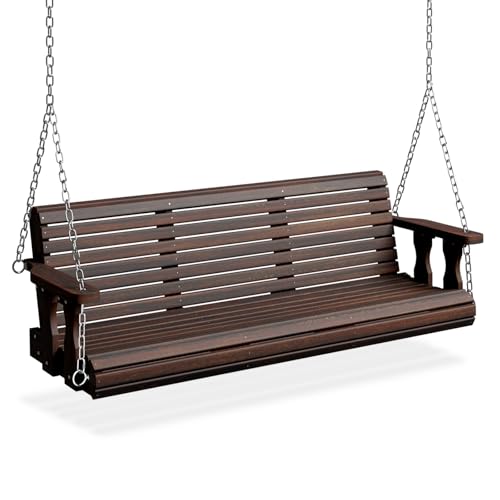
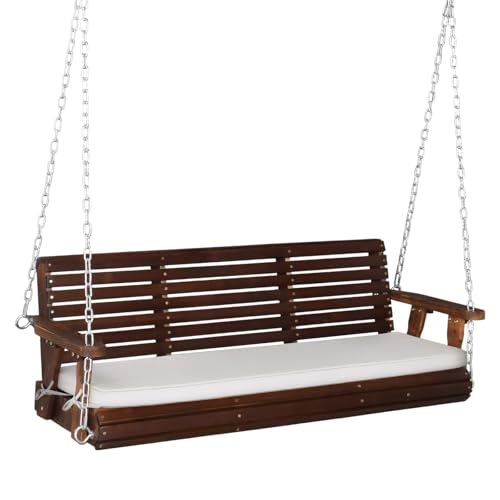
Hanging Porch Swing: The Complete Buying Guide
Everything you need to know about choosing, hanging, and enjoying a hanging porch swing — from frame types and materials to comfort and safety.
Why a hanging porch swing? Few outdoor pieces invite relaxation quite like a hanging porch swing. It transforms a plain porch, deck, or garden corner into a destination — a place to read, nap, or watch the sunset. But with so many frame styles, materials, and mounting options available, choosing the right one can feel overwhelming. This guide walks you through every decision so you can buy with confidence.
Types of Hanging Porch Swings
Before you shop, understand the main configurations. Each suits a different space and installation scenario.
1. Standalone Swing with Frame
A freestanding unit includes its own A-frame or arc frame, so you don't need a permanent anchor point. This is the most versatile option — ideal for renters, patios without overhead structure, or anyone who wants to reposition the swing seasonally. Look for a hanging swing chair or a hanging chair with stand if you prefer a compact footprint. For heavier models, a hammock swing stand can provide extra stability.
2. Ceiling-Mounted Porch Swing
Hangs directly from a porch ceiling, pergola beam, or tree limb using chains or ropes. This is the classic look but requires a structurally sound anchor point. Best for permanent porches with exposed joists. Always verify the beam can support the combined weight of the swing and occupants.
3. Hanging Egg Chair & Cocoon Styles
If you want a more enclosed, nest-like feel, consider a hanging egg chair or a hanging egg chair with stand. These are popular for modern and bohemian settings. A two-person variant like the 2-person hanging egg chair with stand works well for couples. Wicker versions such as a hanging wicker egg chair add natural texture.
4. Hanging Chair & Hammock Hybrids
A hanging chair hammock blends the gentle sway of a hammock with the upright support of a chair. For a more bed-like lounging experience, a hanging chair bed offers full-body recline. Those who want a traditional hammock feel can explore hanging swings or a hammock on wooden stand.
Materials: What to Look For
The material determines durability, maintenance, and the visual character of your swing. Here's how the main options compare.
Wood
Classic and warm, wood swings suit traditional and rustic porches. Look for weather-resistant hardwoods or treated pine. A well-built wooden swing can last many seasons with proper sealing. Pair it with a garden bench or garden seat for a cohesive look.
Wicker & Rattan
Wicker and rattan offer a lightweight, breathable feel with a natural aesthetic. Synthetic resin wicker is more weather-resistant than natural fibers. These pair beautifully with a hanging wicker egg chair or a hanging patio chair.
Metal (Steel & Aluminum)
Metal frames are durable and low-maintenance. Aluminum resists rust and is lighter, while steel is heavier and more rigid. Powder-coated finishes extend lifespan. For windy areas, a heavier frame is advisable — see our guide to heavy outdoor furniture that won't blow away.
HDPE & Recycled Plastic
HDPE (high-density polyethylene) is weatherproof, fade-resistant, and requires virtually no maintenance. If you want a set-it-and-forget-it option, explore HDPE outdoor furniture or garden furniture that can be left outside all year.
Quality Tiers: What to Expect
Hanging porch swings fall into distinct quality tiers. Use this table to align your expectations with the tier you're considering. No figures are given — only relative positioning within the category.
| Tier | Typical Characteristics | Best For |
|---|---|---|
| Entry-level | Basic frame construction, lighter materials, simpler cushioning. May require more frequent tightening or touch-ups. | Occasional use, seasonal setups, first-time buyers testing the concept. |
| Mid-range | Reinforced frames, better weather-resistant coatings, thicker cushions, smoother swing motion. | Regular use, family porches, buyers who want a balance of comfort and longevity. |
| Premium | Heavy-duty hardware, premium materials (solid hardwood or high-grade steel), superior cushion density, refined finishes. | Daily use, exposed locations, buyers seeking a long-term investment. |
| Luxury / Commercial-grade | Architectural-grade frames, marine-grade hardware, custom upholstery, exceptional weight capacity and finish quality. | High-end residential, hospitality settings, or anyone wanting flagship-tier comfort and durability. |
A mid-range model typically offers a noticeably smoother swing mechanism than an entry-level unit, while premium tiers focus on longevity and finish detail. Choose the tier that matches how often you'll use the swing and how exposed your location is to weather.
Comfort Factors: Cushions, Depth & Swing Motion
Comfort is subjective, but a few measurable factors matter:
- Seat depth: Deeper seats suit lounging; shallower seats suit upright sitting and conversation.
- Cushion density: Higher-density foam holds shape longer. Removable, washable covers are a practical bonus.
- Swing mechanism: Chains, ropes, or spring-hooks affect the feel. Spring-hooks add a gentle bounce; chains feel more stable.
- Weight capacity: Always check the rated capacity. Heavy-duty models are available for larger users or multi-person seating. See heavy-duty outdoor swings for adults.
If you're outfitting a seating area, coordinate your swing with a garden furniture conversation set or a garden set so the whole space feels intentional.
Installation & Safety
Proper installation is critical. A poorly mounted swing is a safety hazard. Follow these guidelines:
- Verify the anchor point: For ceiling mounts, the beam must be structurally sound and rated for the swing's total loaded weight.
- Use rated hardware: Heavy-duty chains, bolts, and spring-hooks are non-negotiable. Avoid climbing-grade rope for permanent installs.
- Check clearance: Allow enough space behind and in front of the swing for a safe arc.
- Standalone frames: Ensure the frame sits on level ground and consider anchoring it in windy areas. A heavy-duty stand with wheels can help reposition, but verify stability.
Safety Checklist
- Confirm weight capacity before use.
- Inspect chains/ropes and hardware monthly.
- Re-tighten bolts after the first week of use.
- Do not exceed the rated number of occupants.
- Store cushions during heavy rain to extend their life.
Where to Place Your Hanging Porch Swing
Placement affects both enjoyment and durability. Consider these setups:
- Front porch: A classic spot for a ceiling-mounted swing. Pair with a small garden table and chairs for a complete porch vignette.
- Deck or patio corner: A standalone frame works here without structural changes.
- Under a pergola or gazebo: A gazebo provides overhead structure and shade. Ensure the beam is rated for the swing.
- Garden nook: A freestanding swing near a garden fountain or garden statues creates a tranquil retreat.
Frequently Asked Questions
How much weight can a hanging porch swing hold?
Capacity varies widely. Entry-level models often support two average adults, while heavy-duty and commercial-grade models support more. Always check the manufacturer's rated capacity and never exceed it.
Do I need a frame, or can I hang it from the ceiling?
Both work. Ceiling mounting requires a structurally sound beam. If you rent or lack an overhead structure, a standalone frame is the safer, more flexible choice.
Can a hanging porch swing stay outside all year?
Many can, especially HDPE, powder-coated metal, and treated wood. Cushions should be brought in or covered during off-season. See garden furniture you can leave out all year for related guidance.
What's the difference between a porch swing and an egg chair?
A porch swing is typically open and bench-style, while an egg chair is more enclosed and nest-like. Both hang, but the egg chair offers a cocooned feel. Explore hanging egg chairs with stand and cushion for a complete setup.
How do I maintain a hanging porch swing?
Inspect hardware monthly, clean frames with mild soap and water, and store cushions when not in use. Wood may need annual sealing; metal should be checked for scratches and touched up.
Ready to find the right hanging porch swing for your space? Browse our curated selection below.
Explore Options