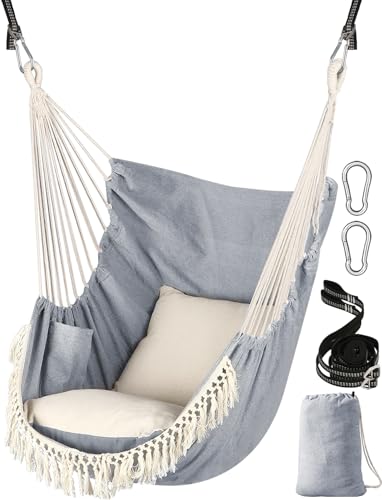
Hanging Chair Bed: The Complete Outdoor Relaxation Guide
Everything you need to know before choosing a suspended lounger — frame types, materials, safety, styling, and how to pick the right model for your patio, deck, or garden.
A hanging chair bed blends the gentle motion of a hammock with the cocoon-like comfort of an egg chair and the generous surface of a daybed. Instead of perching upright, you recline, stretch out, and let the frame carry your weight while the seat floats above the ground. For homeowners who already know they want a suspended seat but are unsure which configuration suits their space, this guide walks through the decisions that matter most: suspension method, frame build, fabric choice, weight limits, and long-term care.
If you are still comparing broader categories, our overview of hanging chair hammock styles and our hanging patio chair guide provide useful context. But if you have already decided on the bed-style format, read on — this page is built around the questions buyers ask right before they commit.
What Exactly Is a Hanging Chair Bed?
A hanging chair bed is a suspended lounging piece with a wide, flat or gently contoured seating surface — large enough to stretch out rather than simply sit. It hangs from a single anchor point or a spreader bar, and it is designed for prolonged relaxation rather than short coffee-break seating. The category sits between three familiar products: the compact hanging egg chair, the traditional rope hammock, and the freestanding outdoor daybed.
What distinguishes it is the combination of scale and suspension. A standard hanging chair seats one person upright; a hanging chair bed typically accommodates one adult in a reclined position, and mid-range or premium models are frequently rated for two adults. The suspension point — whether a steel stand, a pergola beam, or a reinforced ceiling joist — becomes the single most important structural decision in the buying process.
- Form factor: wide seat pan, often with a headrest and armrests, suspended by chains, ropes, or a rigid frame.
- Motion: gentle swinging and rocking, which is why many buyers describe it as the most restful seat on the patio.
- Placement: covered patios, decks, pergolas, gazebos, sunrooms, and even large bedrooms.
- Primary appeal: it turns unused vertical space into a destination seat without consuming floor area.
Why Homeowners Choose a Suspended Bed Seat
The appeal is rarely just aesthetic. Buyers who research this category carefully tend to cite four practical reasons, and understanding them helps you evaluate whether a hanging chair bed is genuinely the right fit for your outdoor routine.
- Space efficiency: a suspended seat frees the floor beneath it, which matters on compact balconies and narrow decks where a full lounger would block circulation.
- Comfort over long sessions: the bed-style surface supports reading, napping, and conversation far better than an upright hanging chair.
- Visual impact: a well-chosen model becomes the focal point of a patio, anchoring the layout the way a garden furniture conversation set anchors a seating zone.
- Versatility: with a portable stand, the same chair can move from patio to lawn to sunroom across seasons.
One caveat worth stating plainly: a hanging chair bed is a commitment to a specific suspension point. If your patio has no covered structure and you do not want a freestanding stand, this category may frustrate you. Buyers in that situation often do better with a garden lounger or a glider bench, both of which deliver motion without overhead anchoring.
Entry-Level, Mid-Range, and Premium Tiers Explained
Rather than comparing figures, it helps to understand how the market segments by build quality and intended use. The three tiers below describe relative positioning, not specific products.
Entry-Level Tier
Typically single-person capacity, lighter steel tubing, and basic polyester fabric. Best for occasional use on a covered balcony or as a secondary seat. Expect simpler suspension hardware and a shorter expected service life.
Mid-Range Tier
Usually two-person rated, with thicker powder-coated frames, reinforced stitching, and removable, washable cushions. The sweet spot for most households — smoother suspension hardware and better weather resistance than the starter tier.
Premium Tier
Heavy-duty construction, HDPE or hand-woven wicker shells, solution-dyed acrylic cushions, and corrosion-resistant hardware. Built for year-round exposed placement and for buyers who treat the chair as a long-term investment.
Buying principle: a mid-range model usually delivers the smoothest experience per unit of outlay. The jump from entry-level to mid-range tends to improve frame rigidity and fabric longevity noticeably, while the jump from mid-range to premium buys mostly durability in exposed conditions and refined detailing. If your chair will live under a roof, mid-range is typically the efficient choice.
Frame and Suspension: The Decision That Matters Most
Every hanging chair bed transfers load through one of two paths: a freestanding stand or a structural anchor. Choose the path first, then choose the chair.
Freestanding stands
A dedicated steel stand removes the need to modify your home or patio structure. It is the safer default for renters and for anyone without a reinforced beam overhead. Stands vary considerably in base footprint and stability; wider bases with cross-bracing handle swinging motion far better than narrow A-frames. If portability matters, look for models with lockable casters, similar in spirit to the mobility features found on a gardening seat with wheels.
Ceiling and beam mounting
Mounting to a pergola, gazebo, or porch ceiling produces the cleanest look and frees floor space entirely. It requires a load-rated beam and a properly rated hanger — never a decorative fixture point. Buyers planning this route should review our guide to gazebos to confirm that the structure they own or intend to buy can carry a dynamic swinging load.
Tree and branch hanging
Suspending from a mature branch is the most traditional option, but it demands a horizontal limb of substantial diameter and a protective strap rather than a bare chain. It is best treated as a seasonal solution rather than a permanent installation.
- Check the stated capacity of both the chair and the stand separately — the lower figure governs.
- Prefer welded or bolted steel over riveted tubing for the load-bearing joints.
- Confirm the hanger type (spring hook, carabiner, or chain) and that replacement hardware is available.
Materials: Weave, Fabric, and Cushion Construction
Because the seat hangs in open air, material performance determines how long the chair looks and feels new. Three material families dominate the category, and each behaves differently under sun, rain, and temperature swings.
Wicker and woven shells
Natural rattan offers warmth and texture but demands shelter and regular conditioning. Synthetic HDPE wicker — the same material used across our HDPE outdoor furniture coverage — resists UV fading and moisture far better and is the practical default for exposed patios.
Fabric and cushioning
Solution-dyed polyester or acrylic cushions hold color longer than printed fabrics and dry faster after rain. Removable, zip-off covers are a meaningful convenience; fixed covers look tidier but age faster in humid climates. Cushion thickness matters less than foam density — denser foam resists compression over a full season of use.
Metal frames and hardware
Powder-coated steel is standard. Look for full-coverage coating at the weld points, where rust typically begins. Stainless or galvanized hardware is a small upgrade that extends service life substantially in coastal environments. Homeowners in windy or salt-exposed locations should treat frame finish as a primary filter, not an afterthought — the same principle that governs garden furniture that can be left outside all year.
At-a-Glance Comparison of Suspension Options
| Type | Best For | Structural Requirement | Portability |
|---|---|---|---|
| Chair with integrated steel stand | Renters, balconies, decks without overhead beams | None — flat ground only | High (often caster-equipped) |
| Ceiling / pergola mounted | Covered patios, gazebos, porch ceilings | Load-rated beam and hanger | Low (fixed installation) |
| Tree-suspended | Gardens with mature horizontal branches | Sturdy limb plus protective strap | Seasonal / moderate |
| Two-person bed-style with stand | Couples, families, primary patio seating | None, but requires generous footprint | Moderate (heavier frame) |
Sizing, Clearance, and Safe Use
Sizing mistakes are the most common source of disappointment in this category. Two measurements matter more than any other: the stand's footprint and the chair's swing arc.
- Footprint: a bed-style chair with stand needs roughly the area of a small dining table. Measure the base before ordering, not after.
- Swing clearance: allow at least a comfortable margin on all sides so the seat does not strike railings, walls, or planters at the extremes of its arc.
- Entry height: a bed-style seat sits lower than an upright hanging chair. Check that all intended users can step in and out safely.
- Weight rating: respect the lower of the chair and stand ratings, and remember that motion amplifies load.
- Anchoring: for ceiling mounts, use a qualified installer to verify the beam's capacity.
For households with children or pets, choose models with smooth, gap-free frames and avoid long trailing cords. Our hanging swing chair guide covers similar safety considerations in more depth.
Styling the Seat Into Your Outdoor Layout
A suspended bed seat reads as a focal point, so it pairs best with supporting pieces rather than competing ones. In practice, three layouts work well.
The quiet corner
Place the chair in a sheltered corner with a garden stool for a drink and a single planter for greenery. This is the lowest-effort, highest-impact arrangement for small spaces.
The conversation anchor
Set the chair adjacent to a garden table and chairs for small garden layouts so one person can lounge while others sit. Keep the chair slightly offset rather than centered, which avoids a stiff, staged feel.
The garden retreat
In larger spaces, position the chair near a garden fountain or a quiet planting bed. The combination of gentle motion and water sound is the most reliable relaxation pairing in outdoor design.
Whichever layout you choose, keep the suspension path visually clean — exposed chains look deliberate, tangled cords do not.
Care and Long-Term Maintenance
A hanging chair bed lasts substantially longer with a modest maintenance routine. The two failure points are the fabric (sun and moisture) and the hardware (corrosion at joints).
- Seasonal washing: clean woven shells and frames with mild soap and water; avoid abrasive pads on coated steel.
- Cushion rotation: rotate and flip cushions regularly to distribute wear and prevent compression marks.
- Hardware inspection: check hangers, hooks, and bolts each season for looseness or surface rust.
- Storage: bring cushions indoors during heavy rain and store the chair itself in a sheltered spot over winter, or use a fitted cover.
- Lubrication: a drop of silicone lubricant on suspension hardware keeps motion smooth and quiet.
If your broader patio furniture collection needs a maintenance schedule, our garden furniture resource hub is a sensible starting point.
Who Should Buy a Hanging Chair Bed — and Who Should Not
It is a strong fit if: you have a covered patio, deck, or pergola; you want a destination seat for reading or napping; you value floor-space efficiency; or you are furnishing a compact balcony where a full lounger would not fit.
It may not suit you if: your outdoor space is fully exposed with no overhead structure and you do not want a freestanding stand; you need seating for a large group; or you prefer firm, upright dining-style seating. In those cases, a garden seat or a garden table and six chairs arrangement will serve you better.
Frequently Asked Questions
What is a hanging chair bed?
Do hanging chair beds require a stand?
How much weight can a hanging chair bed hold?
Are hanging chair beds weather-resistant?
Where can I place a hanging chair bed?
Ready to Choose Your Hanging Chair Bed?
Browse our curated selection of suspended loungers and compare features, frame types, and fabric options side by side.
Explore Recommended Models