Hammocks for Indoors: The Complete Guide to Relaxing at Home
Turn any room into a calming retreat with an indoor hammock. Learn how to choose the right style, install it safely, and match it to your space and lifestyle.
Start Your ResearchWhy Choose an Indoor Hammock?
Indoor hammocks have moved far beyond the camping aisle. Today they serve as statement furniture, reading nooks, and even sleep solutions for small apartments. The appeal is simple: a hammock cradles the body, distributes weight evenly, and encourages deep relaxation. For anyone researching relaxation furniture, an indoor hammock offers a unique combination of comfort and visual interest that a conventional sofa cannot replicate.
Homeowners often discover indoor hammocks while browsing outdoor options like hammocks for the backyard and then realize the same principles apply inside. The difference lies in scale, material choice, and mounting method. An indoor model typically uses softer fabric, shorter overall length, and hardware designed for interior walls or ceilings.
Beyond comfort, indoor hammocks are space-efficient. A hammock chair occupies a fraction of the footprint of a lounge chair, making it ideal for apartments, bedrooms, and reading corners. If you are furnishing a compact living area, the same space-saving logic that guides small garden table and chairs selection applies indoors: choose pieces that serve multiple purposes and do not overwhelm the room.
Types of Indoor Hammocks
The indoor hammock category splits into three broad families. Each suits a different room layout and relaxation style.
Traditional Fabric Hammocks
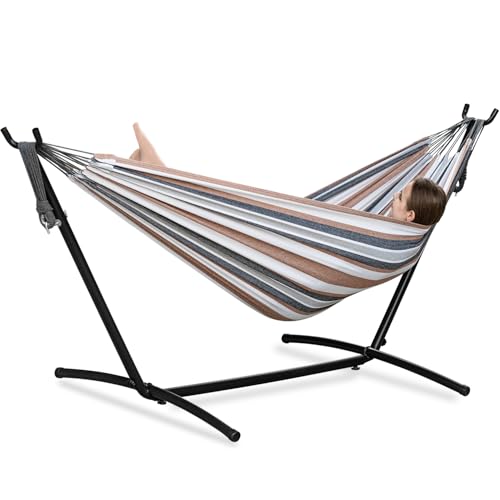
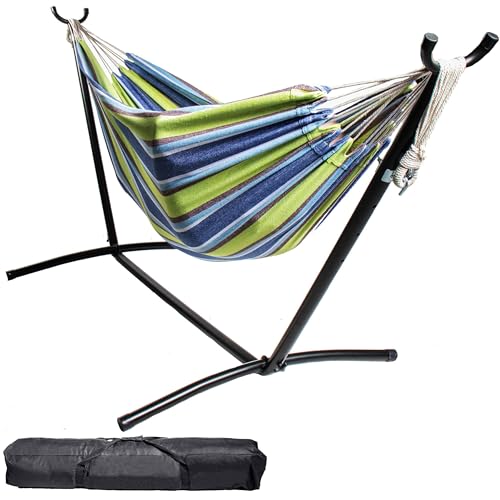
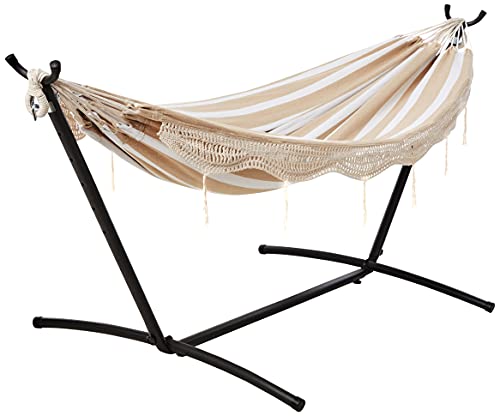
These are the classic gathered-end or spreader-bar hammocks, sized for indoor use. They require two anchor points roughly 9 to 11 feet apart. Traditional indoor hammocks work well in living rooms with open floor space or in bedrooms with a long empty wall. They offer full-body support and are the closest experience to sleeping in a hammock.
Hammock Chairs
A hammock chair hangs from a single point and supports a seated or reclined posture. It needs far less floor space than a full-length hammock—often just a 3 to 4 foot radius for safe swinging. Hammock chairs are popular in bedrooms, sunrooms, and reading corners. They pair naturally with a hammock chair stand when ceiling anchoring is not practical.
Hanging Chair Beds and Egg Chairs
These are the most furniture-like indoor options. A hanging chair bed provides a flat, cushioned surface for lounging, while hanging egg chairs add a sculptural element to a room. Most models ship with a stand, which removes installation guesswork. For a two-person option, a two-person hanging egg chair with stand can anchor a larger living space.
Materials and Comfort
The fabric determines how an indoor hammock feels, how it wears, and how often you need to clean it. The three most common indoor materials are cotton, polyester, and woven rope or net.
Cotton and Cotton Blends
Cotton is soft, breathable, and the most comfortable against skin. It is the preferred choice for bedrooms and reading nooks. The trade-off is lower resistance to moisture and stretching over time. Cotton blends with polyester improve durability while retaining a soft hand feel.
Polyester and Synthetic Fabrics
Polyester hammocks resist stretching, dry quickly, and hold color well. They are a practical choice for households with pets or children. The feel is slightly firmer than cotton, but mid-range and premium polyester weaves have narrowed the comfort gap considerably.
Rope and Net Hammocks
Classic rope hammocks are visually striking and offer excellent airflow. Indoors, they work best in sunrooms or covered porches where temperature and humidity stay moderate. Rope hammocks require more careful anchoring because the weave distributes weight differently than a solid fabric bed.
Whatever material you choose, inspect the stitching and hardware. Reinforced seams and high-grade steel or hardwood spreader bars are hallmarks of durable construction. These details matter more than fabric alone when judging long-term reliability.
Space and Installation
Before buying, measure twice. Indoor hammock installation falls into two categories: wall or ceiling anchoring, and freestanding stands.
Wall and Ceiling Anchoring
Anchoring into studs or ceiling joists is the most space-efficient approach. For a full-length hammock, you need two solid anchor points approximately 9 to 11 feet apart, with about 3 to 4 feet of clearance below. For a hammock chair, a single ceiling joist or wall stud is sufficient. Always use hardware rated for the hammock's weight capacity, and consult a professional if you are unsure about your wall structure.
Freestanding Stands
A stand removes structural risk entirely. A hammock chair stand fits in most bedrooms and living rooms, while a hammock on a wooden stand brings a natural furniture look to the room. Stands are also the only realistic option for renters who cannot modify walls. Look for stands with a wide base and non-slip feet to protect flooring.
Clearance and Swing Room
Allow at least 2 feet of clearance on all sides of a hammock chair and 3 feet at each end of a full hammock. Avoid placing a hammock near ceiling fans, light fixtures, or fragile decor. If the room is tight, a hammock chair with a compact stand is the safest choice.
Safety and Weight Ratings
Weight ratings are the single most important specification to check. Indoor hammocks typically carry ratings from 250 to 450 pounds, with premium and commercial-grade models rated higher. Always match the rating to the heaviest intended user, and add a margin if children or pets will use it.
Inspect hardware every few months. Look for frayed ropes, loose bolts, and worn carabiners. Replace any component that shows stress rather than repairing it. For households with children, set clear rules about supervised use and avoid hanging a hammock above hard flooring without a rug or mat underneath.
If you plan to use the hammock daily, a hammock swing stand with a reinforced frame is a worthwhile investment. It distributes load across the floor and reduces wear on any single component.
Buying Guide by Tier
To compare indoor hammocks without relying on numbers, we classify them by market tier. The table below uses universal descriptors that stay accurate as the market shifts.
| Tier | Best For | Typical Characteristics | Stand Included |
|---|---|---|---|
| Entry-Level | First-time buyers, occasional use, dorm rooms | Simple cotton or polyester weave, basic steel hardware, shorter lifespan | Sometimes |
| Mid-Range | Daily lounging, bedrooms, reading nooks | Softer fabric blends, reinforced seams, smoother hanging hardware | Often |
| Premium | Primary relaxation furniture, design-conscious homes | High-grade fabric, hardwood or powder-coated frames, refined stitching | Usually |
| Luxury | Statement pieces, long-term daily use | Designer fabrics, solid wood or commercial-grade stands, meticulous finishing | Yes |
Entry-level models are a sensible starting point for a guest room or a first hammock. Mid-range options offer the best balance of comfort and durability for most households. Premium and luxury tiers make sense when the hammock becomes a centerpiece—for example, a hanging chair in a living room that guests will notice and use often.
The same tier logic applies across outdoor categories, so if you are also shopping for patio seating, the principles in this guide to good-quality outdoor furniture translate directly indoors.
Placement Ideas by Room
Bedroom
A hammock chair in the corner of a bedroom creates an instant reading nook. Pair it with a small side table and a floor lamp. For a full hammock, place it along a long empty wall opposite the bed. Soft cotton fabric and neutral tones keep the room restful.
Living Room
A hanging egg chair or a hammock chair with a stand can replace an accent chair. Position it near a window for natural light. In open-plan living rooms, a hammock acts as a visual divider between zones without blocking sightlines.
Sunroom and Porch
Sunrooms are the most natural indoor setting for a hammock. A rope or net hammock fits the airy aesthetic, while a hammock chair with stand works in smaller enclosed porches. If the space is technically outdoors but covered, the advice in this guide to garden furniture you can leave out all year is worth reviewing.
Kids' Rooms
A small hammock chair is a playful addition to a child's room. Choose a model with a weight rating comfortably above the child's weight and mount it securely. Avoid full-length hammocks in small children's rooms unless the room is large and supervision is consistent.
Care and Maintenance
Indoor hammocks need less weatherproofing than outdoor models, but they still require routine care. Vacuum fabric surfaces monthly to remove dust. Spot-clean stains with mild soap and cool water, then air-dry fully before use.
Check ropes, straps, and carabiners every few months. Tighten bolts on stands and inspect wooden components for cracks. If you notice stretching in a cotton hammock, rotate it end-to-end to redistribute wear.
Store a hammock chair indoors when not in use if it hangs near a doorway or high-traffic area. For full hammocks, a simple dust cover protects the fabric during long periods of non-use.
Frequently Asked Questions
Can any hammock be used indoors?
Most fabric hammocks can work indoors, but indoor-specific models feature softer materials, shorter lengths, and stand-compatible designs that suit living spaces better than outdoor versions.
Do I need a stand for an indoor hammock?
A stand is strongly recommended unless you can securely anchor into wall studs or ceiling joists. Stands eliminate structural concerns and allow placement anywhere in the room.
How much space do I need for an indoor hammock?
A typical indoor hammock needs about 9 to 11 feet of length, while hammock chairs require far less—roughly a 3 to 4 foot radius for comfortable swinging.
Are indoor hammocks safe for children?
Yes, when properly installed and used with adult supervision. Choose models with weight ratings appropriate for the user and inspect hardware regularly for wear.