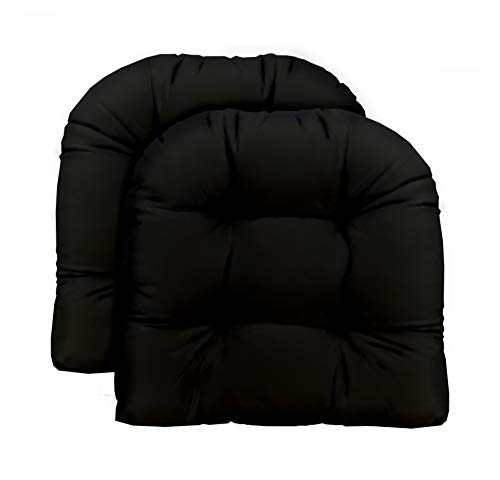
22 Inch U-Shaped Wicker Chair Cushions: The Complete Buyer's Guide
Learn how to measure, choose, and care for U-shaped cushions sized for 22 inch wicker chairs. This guide walks you through fit, materials, and maintenance so you can refresh your outdoor seating with confidence.
Browse Recommended OptionsWhy 22 Inch U-Shaped Cushions Are a Popular Fit
Wicker chairs come in many shapes, but a large share of outdoor dining and lounge chairs use a seat that measures around 22 inches across. That is why 22 inch U-shaped wicker chair cushions have become one of the most requested replacement sizes. The U-shaped profile is designed to hug the frame: the cushion wraps around the backrest and arm transitions rather than lying flat, which gives the chair a cleaner, more built-in look.
Compared with a simple square pad, a U-shaped cushion reduces the chance of slipping and helps the cushion stay centered during daily use. For wicker chairs in particular, the contoured shape also protects the seat weave from direct contact with the sitter, which can extend the life of the frame.
- Tailored appearance: the cushion follows the chair's natural outline instead of overhanging the edges.
- Better stability: fewer shifts and less frequent re-adjustment during meals or conversation.
- Consistent fit: 22 inch is a common standard size, so replacement options are widely available.
How to Measure Your Wicker Chair Before Ordering
Even if you are confident your chair is a 22 inch model, always take fresh measurements. Wicker frames can vary slightly between production batches, and a cushion that is one inch too wide will not settle into the seat properly.
- Seat width: measure across the widest point between the inner edges of the armrests. This is the number most commonly compared with the 22 inch size label.
- Seat depth: measure from the front edge of the seat to the base of the backrest. A cushion that is too deep will buckle against the back; too shallow and it will slide forward.
- Back height: measure from the seat surface to the top of the chair back. This determines how tall the U-shaped back section needs to be.
- Frame shape: note whether the seat is rounded or squared, because the cushion cut should mirror the frame.
- Seat thickness allowance: if your chair has an existing cushion, measure its thickness as a baseline for the replacement.
Write your numbers down and compare them with the manufacturer's listed dimensions, not just the size label. If your chair is close to 22 inches but not exact, check whether the cushion listing includes a fit tolerance note.
Matching Cushion Size to Chair Style
| Chair Type | Typical Seat Width | Best For | Fit Notes |
|---|---|---|---|
| Standard dining wicker chair | 20 to 22 inches | Daily meals and casual seating | Most 22 inch U-shaped cushions are designed for this category |
| Lounge or deep-seat wicker chair | 22 to 24 inches | Relaxed seating and longer sitting sessions | Verify seat depth, which is often greater than dining chairs |
| Rocking wicker chair | 20 to 22 inches | Porch and front-yard seating | Check that the cushion back does not interfere with the rocker motion |
| Stackable wicker chair | 19 to 21 inches | Compact storage and small patios | Measure carefully; some stackable frames run narrow |
If your chair falls between sizes, choose the cushion whose seat width is closest to your measurement and confirm the return policy before ordering. A close fit is more comfortable than a loose one, because oversized cushions tend to bunch at the corners and wear faster along the seams.
Materials and Construction: What to Look For
The fabric and fill determine how long a cushion lasts and how comfortable it feels across seasons. Below is a practical breakdown of what each component does.
Outer Fabric
Look for solution-dyed fabrics, which hold color better under sun exposure than surface-dyed alternatives. A weather-resistant coating helps resist moisture, while a breathable weave reduces trapped humidity that can lead to mildew. Fabric weight matters too: heavier weaves generally feel more substantial and resist pilling better over time.
Fill and Foam
Most quality outdoor cushions use a foam core wrapped in polyester fiber. The foam provides support, and the fiber wrap adds softness and helps the cushion recover its shape after use. High-density foam holds up longer under repeated seating, while lower-density foam feels softer initially but can compress faster.
Seams and Zippers
Reinforced double-stitched seams resist splitting at stress points. A hidden zipper with a covered flap allows you to remove the cover for cleaning without exposing the foam to direct water. Check that the zipper is rust-resistant, since metal hardware can corrode in humid outdoor environments.
Ties and Attachment Points
Even U-shaped cushions benefit from tie-downs. Fabric ties or elastic straps at the back help anchor the cushion to the frame, especially on windy days. Look for ties sewn into reinforced tabs rather than stitched directly into the seam, which is more durable.
Entry-level tier
Basic polyester covers with standard foam. Suitable for covered porches and seasonal use.
Mid-range tier
Solution-dyed fabric with denser foam and reinforced seams. A balanced choice for year-round patios.
High-end tier
Heavy-duty woven fabric, high-density foam, and rust-resistant hardware. Built for continuous outdoor exposure.
Premium tier
Performance fabric with UV stabilization and quick-dry core. Best for sun-heavy climates and daily use.
Comfort, Support, and Thickness Choices
Thickness affects both comfort and how the cushion sits in the chair. A 2 inch cushion is common for dining chairs because it keeps the seat height practical for table use. A 3 to 4 inch cushion adds more padding for lounge seating, but it also raises the sitting position and may crowd the armrests.
If you use the chair primarily for meals, a moderate thickness with firmer foam is usually the better choice. For reading, conversation, or long lounging sessions, a thicker cushion with a softer fiber wrap feels more forgiving. Consider how the cushion height interacts with your table: a cushion that is too thick can make the table feel low relative to the seat.
Firmness is personal, but consistency matters. A cushion that is firm in the center and soft at the edges will sag unevenly over time. Look for listings that describe the foam density or the fill composition, and read customer feedback about how the cushion holds its shape after several months of use.
Care and Maintenance for Long-Term Use
Outdoor cushions last longer when they are cleaned on a routine schedule and stored properly during harsh weather. The steps below apply to most 22 inch U-shaped wicker chair cushions, regardless of tier.
- Routine cleaning: brush off loose debris weekly, then wipe with a damp cloth and mild soap. Rinse thoroughly to remove soap residue, which can attract dirt.
- Drying: stand the cushion on edge and allow air to circulate on both sides. Never fold a damp cushion, as trapped moisture encourages mildew.
- Stain response: blot spills immediately rather than scrubbing, which pushes the stain deeper into the fibers.
- Storage: during off-season months, store cushions in a dry, ventilated area. Use a breathable cover rather than sealed plastic, which can trap condensation.
- Inspection: check seams, ties, and zippers at the start of each season and repair small issues before they worsen.
If your cushions share a patio with other furniture, a consistent care routine across all pieces keeps the space looking unified. For related guidance on protecting the wider setup, our weatherproofing guide covers covers, sealants, and seasonal storage in more depth.
Common Mistakes to Avoid When Buying
Most returns of wicker chair cushions happen because of sizing assumptions or material mismatches. Avoiding these common errors saves time and frustration.
- Relying on the size label alone: the 22 inch label usually refers to seat width, not depth or back height. Always compare all dimensions.
- Ignoring the chair frame shape: a U-shaped cushion cut for a rounded frame will not sit well on a squared frame, and vice versa.
- Choosing fabric without checking sun exposure: a covered porch and an open deck call for different levels of UV resistance.
- Overlooking tie placement: ties that do not align with your chair's frame will leave the cushion loose.
- Skipping the return policy check: even careful measurements can miss by a fraction on some frames, so confirm the return terms before ordering.
Pairing Cushions with a Cohesive Patio Look
New cushions are often the first step in refreshing a patio, and they set the color direction for the rest of the space. If you are updating several pieces at once, keep the cushion palette consistent with your chair frames and surrounding surfaces. Wicker chairs pair naturally with warm neutrals, muted greens, and soft stone tones.
For a unified result, consider how the seat cushions relate to other fabric elements such as an outdoor rug or a shade solution above the seating area. If your dining chairs sit under direct sun, a patio umbrella reduces UV wear on the cushion fabric and keeps the seat cooler during the hottest part of the day. Homeowners planning a fuller refresh may also find useful checklists in our patio essentials guide.
Mixing cushion styles across a set is fine as long as the base color and fabric finish stay consistent. A uniform seat look anchors the space, while small accent differences, such as a contrasting piping or tie color, add visual interest without disrupting the overall design.
Frequently Asked Questions
What does 22 inch mean for a U-shaped wicker chair cushion?
The 22 inch measurement typically refers to the seat width of the cushion, measured across the front edge from side to side. It is the most common sizing reference because the cushion must rest within the inner frame of the wicker chair. Always measure your own chair seat before ordering, since some styles measure depth or the full back width instead.
How do I measure my wicker chair for a U-shaped cushion?
Measure the seat width at the widest point between the armrests, the seat depth from the front edge to the backrest, and the back height from the seat up to the top of the chair back. Also note the thickness of the seat pan and whether the frame has a rounded or squared shape. Compare these measurements with the cushion dimensions listed by the manufacturer.
What is the difference between U-shaped and standard cushions?
A U-shaped cushion has a contoured cutout around the seat back and arms, so it wraps around the frame instead of sitting on top of it. Standard cushions are typically square or rectangular and rely on ties or straps to stay in place. U-shaped cushions tend to look more tailored and reduce the chance of slipping on wicker frames.
Can I use 22 inch U-shaped cushions on other outdoor chairs?
Yes, as long as the chair seat dimensions match. These cushions also fit many resin, metal, and wooden patio chairs with similar seat widths. Just verify the seat depth and back height, because a cushion that is too deep or too shallow will not sit correctly and may bunch up or leave gaps.
How should I care for outdoor wicker chair cushions?
Brush off loose dirt, spot clean with mild soap and water, and rinse thoroughly. Allow the cushion to air dry completely on both sides before replacing it. Store cushions in a dry, covered place during long periods of disuse or heavy rain, and use a breathable cover rather than a sealed plastic bag to prevent trapped moisture.