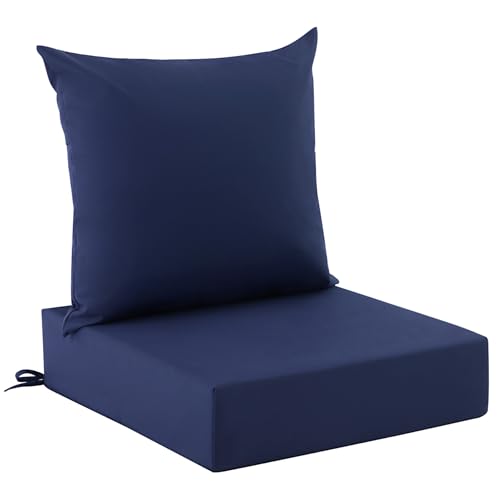
24 x 24 Deep Seat Outdoor Cushions: The Complete Buying Guide
Everything you need to know about sizing, fill materials, fabric performance, and maintenance so you can replace or upgrade your deep seating with confidence.
Explore the GuideWhy this guide matters: Deep seat cushions transform a frame into a comfortable outdoor lounge, but the wrong fit or fill undermines the entire seating experience. This guide walks you through the decisions that matter most when selecting 24 x 24 deep seat outdoor cushions — from measuring your seat pan to choosing a fabric that survives sun and rain.
What "24 x 24" Really Means for Deep Seating
The 24 x 24 designation typically refers to a seat cushion that is 24 inches wide and 24 inches deep. In deep seating, the depth is the defining dimension: a standard dining chair seat is roughly 17 to 19 inches deep, while deep seat cushions push past 22 inches to support a relaxed, reclined posture. A 24-inch depth sits firmly in the deep seating category and pairs naturally with lounge chairs, sectionals, and sofas.
The critical nuance is that the listed size may describe either the finished cushion or the seat platform it is designed to fit. A finished cushion can measure slightly larger than its nominal size once the fill expands, and covers often have a seam allowance that affects the final dimension. Before ordering, measure the actual seat pan — the flat surface where the cushion rests — rather than the outer frame edges. If your frame is a deep-seat sectional, our guide to replacement cushions for an outdoor sectional couch explains how to coordinate multiple cushion sizes across a larger piece.
Measuring checklist before you buy
- Seat pan width: Measure the clear width between the arms or side rails, not the outer edge of the frame.
- Seat pan depth: Measure from the front rail to the back rail. If the frame has a sloped back, measure at the deepest point.
- Back cushion depth: A back cushion consumes several inches of usable depth. A 24-inch seat cushion plus a thick back cushion can push the effective seat depth well beyond 24 inches, which matters for shorter users.
- Corner radius: Many deep seat frames have rounded front corners. Check whether the cushion needs a square or rounded profile.
- Tie-down points: Note whether the frame has pre-drilled tie anchors or whether you will rely on rear ties and hook-and-loop strips.
Fit tip: allow for a small tolerance
Cushions that are exactly the same size as the seat pan can be difficult to insert and may bunch at the corners. A small tolerance of roughly half an inch on each dimension typically improves the fit and reduces seam stress over time.
Fill Materials: Foam, Fiber, and Blended Cores
Fill determines how a cushion feels on day one and how it looks after a full season. Deep seat cushions carry more body weight than thin dining pads, so the fill's density and resilience matter more than in smaller formats.
High-density foam
Foam is the workhorse fill for deep seating. It holds its shape, supports heavier users, and resists the flattening that plagues loose fills. Density is the key specification: a higher-density foam core maintains loft longer, while a lower-density foam feels softer initially but compresses sooner. Foam cushions are also easier to spot-clean because the core does not migrate inside the cover. The trade-off is a firmer initial feel and a less airy, cloud-like appearance.
Polyester fiber fill
Fiber fill creates a softer, loftier cushion with a plush look that many homeowners prefer for lounging. It is lighter and more breathable than solid foam. The downside is compression: fiber fill gradually flattens under repeated use and may need periodic fluffing. In deep seat formats, pure fiber fill is best reserved for occasional-use seating or for back cushions rather than the primary seat.
Foam core with fiber wrap
This hybrid construction is common in mid-range and premium cushions. A dense foam core provides structural support while a fiber wrap softens the surface and restores some of the plush aesthetic. For most households, a wrapped foam core offers the best balance of comfort, durability, and appearance. If your priority is long-term shape retention, look for wrapped foam; if you prioritize a soft, sink-in feel and accept periodic fluffing, fiber-forward constructions are reasonable.
Entry-level tier
Often uses lower-density foam or loose fiber fill with basic covers. Suitable for light use and covered porches where cushions are not exposed to constant sun.
Mid-range tier
Typically features wrapped foam cores and solution-dyed fabrics. A solid choice for everyday family use with reasonable shape retention.
Premium tier
Higher-density foam, reinforced seams, and performance fabrics with strong UV and water resistance. Built for full-sun exposure and frequent use.
| Tier | Best For | Typical Construction |
|---|---|---|
| Entry-level | Covered porches, occasional seating, seasonal refresh | Basic foam or fiber fill, standard polyester cover |
| Mid-range | Everyday family use, mixed sun and shade | Wrapped foam core, solution-dyed or performance fabric |
| Premium | Full-sun exposure, frequent use, long-term investment | High-density foam, reinforced seams, UV-stable fabric |
Fabric Performance: What Survives the Outdoors
The cover is the cushion's first line of defense. Outdoor fabrics are engineered to resist UV fading, moisture, and mildew, but performance varies widely. For deep seat cushions that sit in direct sun for hours, fabric quality is arguably more important than fill choice because a degraded cover exposes the fill to moisture and UV damage.
Solution-dyed acrylic
Solution-dyed acrylic is the benchmark for outdoor upholstery. The pigment is added to the fiber before it is extruded, so color runs through the entire thread rather than sitting on the surface. This construction resists fading under prolonged UV exposure and holds color well through repeated cleaning. It is breathable, which reduces moisture trapping, and many acrylic fabrics carry water-repellent finishes.
Performance polyester
Performance polyester has improved considerably and now competes with acrylic in many applications. It is typically more resistant to abrasion and holds up well to frequent use, though lower-grade polyester can fade faster in intense sun. Look for UV-stabilized polyester with a water-repellent finish if you choose this route.
Olefin and blended fabrics
Olefin is inherently moisture-resistant and quick-drying, making it a practical choice for humid climates. It is often blended with other fibers to balance softness and durability. Blends can perform well, but check the care instructions carefully — blended fabrics sometimes require more careful cleaning to avoid shrinkage or finish degradation.
Color and heat
Dark cushion colors absorb more heat and can feel uncomfortably warm in direct sun. Lighter tones reflect heat and tend to show less fading over time. If your seating is in full afternoon sun, a lighter fabric is often the more comfortable choice, regardless of styling preference.
For a broader look at coordinating cushion colors and patterns with your existing outdoor palette, our guide to yellow and white striped outdoor cushions shows how a single accent cushion can anchor a seating group without requiring a full replacement.
Ties, Grips, and Preventing Slip
Deep seat cushions are heavier and more prone to sliding than thin pads, especially on smooth frames such as metal or resin. Attachment systems vary in effectiveness, and the right choice depends on your frame material and how often you rearrange the furniture.
- Rear ties: The most common system. Two fabric ties at the back corners loop around the frame's rear rail. Effective for preventing forward slide, but less effective against lateral movement.
- Four-point ties: Ties at all four corners provide more stability and are worth prioritizing on smooth or sloped seat pans.
- Hook-and-loop strips: Sewn into the cushion underside, these grip a compatible strip on the frame. Clean and low-profile, but require a matching frame surface.
- Non-slip underlay: A separate grip pad placed beneath the cushion adds friction without altering the cushion itself. Useful when cushions lack ties or when the frame surface is slick.
- Zippered covers with internal ties: Some premium cushions include internal ties that secure the fill to the cover, reducing shifting inside the cushion over time.
If your frame lacks attachment points, a non-slip underlay is the simplest retrofit. Avoid relying on friction alone for sloped or deep seats, where a sliding cushion can create an awkward seating angle.
Care and Longevity: Making Cushions Last
Even well-made cushions degrade faster without basic care. The two biggest threats are prolonged moisture and UV exposure. Standing water trapped in fill leads to mildew, and unchecked sun exposure breaks down fibers and fades color. A few habits dramatically extend service life.
Routine care
- Shake and air regularly: Loosening fill and allowing air circulation prevents compaction and trapped moisture.
- Clean spills promptly: Blot rather than scrub, and use a mild soap solution compatible with the fabric. Rinse thoroughly and dry completely before replacing the cushion.
- Stand cushions on edge after rain: This drains water from the seams and speeds drying, reducing mildew risk.
- Rotate cushions: Periodic rotation evens out wear and sun exposure across the seating group.
Seasonal protection
During extended periods of disuse, store cushions in a dry, ventilated space rather than leaving them on the frame. Breathable storage bags are preferable to sealed plastic, which can trap condensation. For a full seasonal routine, see our winter storage guide. If your cushions are approaching the end of their service life, our overview of outdoor chaise lounge cushions discusses how to evaluate whether replacement or refurbishment makes more sense.
When to replace rather than clean
Replace cushions when the fill has permanently compressed, seams are failing, or the fabric shows cracking or persistent mildew staining that does not respond to cleaning. A cushion that no longer recovers its shape after fluffing is unlikely to provide adequate support, even if the cover looks acceptable.
Matching Cushions to Common Frame Types
The frame you own shapes which cushion features matter most. A few common pairings:
Wicker and rattan frames
Wicker and rattan frames often have slightly irregular seat surfaces and rounded profiles. Deep seat cushions with four-point ties and a firm foam core work well here because they resist sliding on woven surfaces and maintain a consistent seating plane. If you are furnishing a wicker dining chair rather than a lounge piece, our guide to outdoor wicker dining chairs covers the smaller cushion formats those chairs typically require.
Metal frames
Metal frames, including wrought iron and aluminum, have smooth surfaces that let cushions slide easily. Prioritize hook-and-loop grips or a non-slip underlay. For wrought iron dining sets, the cushions are usually thinner than deep seat lounge cushions, but the same slip-prevention principles apply. Our wrought iron patio set guide discusses how cushions integrate with these frames.
Wood frames
Wood frames typically offer better friction than metal and often include visible slats or rails that tie-downs can wrap around. Deep seat cushions with rear ties are usually sufficient, though four-point ties are a safer choice for sloped backs.
Sectionals and sofas
Sectionals require coordinated cushion sizing across multiple seat modules. When replacing cushions on a sectional, measure each module separately, as seat widths can vary slightly between pieces. Our guide to replacement cushions for outdoor sectional couches walks through the measurement process for multi-piece seating.
Buying Approaches: What to Prioritize
Shoppers arrive at this decision from different starting points. Some are replacing worn cushions on an existing frame; others are furnishing a new frame and choosing cushions as part of the build. The priorities shift accordingly.
- Replacement buyers: Fit accuracy is the top priority. Confirm the seat pan dimensions and the profile of the original cushions before ordering. Fabric match matters if other cushions in the set remain in use.
- New frame buyers: Coordinate cushion size with the frame's intended seating depth. A deep frame paired with shallow cushions looks underfilled; a shallow frame with 24-inch cushions can feel oversized.
- Style refreshers: When the fill is still sound but the fabric is dated, replacement covers can be a practical route. Confirm that the cover dimensions match the existing fill and that the closure system is compatible.
Compare current deep seat cushion options
Browse a curated selection of 24 x 24 deep seat outdoor cushions across entry-level, mid-range, and premium tiers.
View Recommended ProductsFrequently Asked Questions
How do I measure for 24 x 24 deep seat outdoor cushions?
Measure the actual seat platform width and depth, not the frame's outer edges. Confirm whether the 24 x 24 figure refers to the finished cushion or the seat pan, and account for the back cushion depth when planning the fit.
Are foam or fiber fill cushions better for deep seating?
High-density foam holds shape and supports heavier use, making it a solid choice for main seating. Fiber fill feels softer and loftier but compresses over time. Many mid-range and premium cushions combine a foam core with a fiber wrap for balanced comfort and resilience.
What fabric should I look for in outdoor seat cushions?
Look for solution-dyed acrylic or performance polyester with UV resistance and water-repellent treatment. These fabrics resist fading, mildew, and moisture better than standard upholstery fabrics.
Can I use 24 x 24 deep seat cushions on a wicker sofa?
Yes, provided the seat pan is close to 24 inches deep and wide enough to support the cushion. Deep seat cushions are commonly paired with wicker and rattan frames, though tie-downs help prevent slipping.