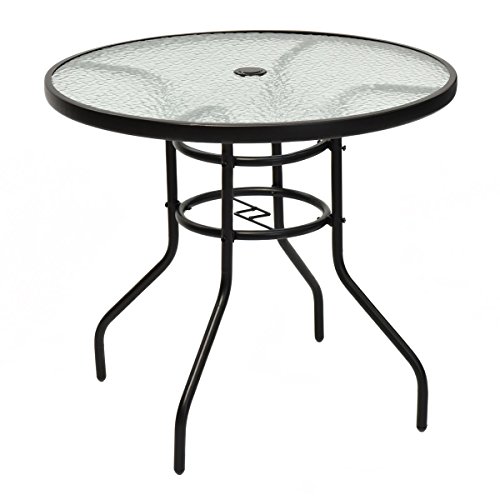
30 Inch Patio Table With Umbrella Hole: The Complete Buyer's Guide
Everything you need to know before choosing a compact round patio table with a built-in umbrella hole — sizing, materials, stability, umbrella compatibility, and the features that actually matter for small outdoor spaces.
Why this size works: A 30 inch patio table with umbrella hole hits a sweet spot for balconies, small decks, breakfast nooks, and cozy courtyard seating. It seats two comfortably, accepts a standard patio umbrella, and leaves breathing room around the edges. This guide walks you through what separates a solid choice from a frustrating one — so you can buy with confidence.
30 Inch Patio Table: At a Glance
Before diving into the details, here is the quick-reference snapshot of what a 30 inch round table with umbrella hole typically delivers. Use these specs as a baseline when comparing models from different brands and tiers.
If you are still mapping out your whole outdoor setup, our broader outdoor living hub covers seating, shade, and dining categories side by side. For a slightly larger footprint, you may also want to compare this size against the 32 inch round patio table with umbrella hole, which adds a little more elbow room without changing the compact footprint dramatically.
Why Choose a 30 Inch Table With an Umbrella Hole?
Small outdoor spaces demand furniture that earns its place. A 30 inch table is deliberately compact, yet the umbrella hole transforms it from a simple surface into a shaded retreat. Here is what makes this configuration so practical:
- Space efficiency: Fits on narrow balconies and tight decks where a 48 inch table simply will not work.
- Built-in shade: The umbrella hole lets you add portable shade without a separate freestanding base eating up floor space.
- Intimate seating: Perfect for morning coffee, evening drinks, or a two-person meal.
- Easy to reposition: Light enough for most adults to move when the layout changes.
- Versatile placement: Works as a bistro table, side table, or plant display when not in dining use.
- Umbrella stability: A center hole keeps the umbrella pole anchored through the table, which is more stable than a clamped side mount.
The trade-off is straightforward: you get compact convenience at the expense of seating capacity. If you regularly host four or more people, step up to a 36 inch round patio table with umbrella hole or a 40 inch round patio table with umbrella hole instead. But for solo dwellers, couples, and balcony gardeners, 30 inches is often the ideal middle ground.
Materials Matter: What to Look For
The material story breaks into two parts: the frame and the tabletop. Each has its own durability profile, maintenance rhythm, and weather behavior. Getting this right is the single biggest factor in how long your table stays looking good.
Frame Construction
Powder-coated steel is the most common choice in the entry-level and mid-range tiers. It is rigid, holds up well to wind, and resists rust when the coating is intact. The weak points are chips and scratches — once moisture reaches bare steel, rust can start. Look for reinforced welded joints rather than bolted brackets if you want a solid build that will not wobble after a season of use.
Aluminum frames sit in the mid-range to premium tiers. They are lighter than steel, naturally rust-resistant, and easier to move. The trade-off is that aluminum can feel less planted in high wind unless the base is weighted or the table has a wide foot spread. For balconies where weight limits matter, aluminum is often the smarter pick.
Wood — typically acacia, teak, or eucalyptus — brings warmth and a natural look that metal cannot match. Solid wood frames in the premium and luxury tiers are built to last decades with proper sealing, but they require seasonal oiling and should be covered during harsh winters. If you love the natural-wood aesthetic, pair the table with matching wooden seating from our patio sofas collection for a cohesive look.
Tabletop Options
Tempered glass tops are elegant, easy to wipe down, and reflect light beautifully. They are common in mid-range and premium models. The caveat: glass can chip at the edges if struck, and it shows water spots and fingerprints more than other surfaces. Always confirm the glass is tempered, not annealed.
Slat tops — whether metal, wood, or composite — shed rain naturally and resist pooling water. They are the most forgiving surface for outdoor use and hide scratches well. The gaps can let small items fall through, so use coasters and keep keys off the table.
Resin and composite tops are the workhorses of the entry-level tier. They are lightweight, weather-resistant, and easy to clean, but they can fade under prolonged UV exposure and may feel less substantial underhand. If you want a surface that shrugs off neglect, resin is a reasonable compromise.
Comparing Tiers: Entry-Level, Mid-Range, and Premium
Rather than chase specific brands, it helps to understand what each market tier typically delivers. The table below maps the general characteristics you can expect as you move up the quality ladder. Use it to decide where your priorities sit.
| Tier | Frame | Tabletop | Best For | Typical Lifespan |
|---|---|---|---|---|
| Entry-Level | Powder-coated steel, lighter gauge | Resin or basic slat | Renters, seasonal use, tight budgets | 2–4 seasons |
| Mid-Range | Reinforced steel or aluminum | Tempered glass or quality slat | Homeowners wanting balance of durability and design | 5–8 seasons |
| Premium | Heavy-duty aluminum or solid wood | Thick tempered glass, teak, or cast top | Long-term outdoor setups, design-conscious buyers | 10+ seasons with care |
The jump from entry-level to mid-range is usually the most meaningful. That is where you start seeing reinforced joints, better powder coating, and tempered glass — the features that prevent the wobble and rust that plague starter-tier tables. For a related comparison at a larger footprint, the 36 inch round patio table and chairs page explores how tier differences play out in full dining sets.
Pros and Cons of a 30 Inch Table With Umbrella Hole
Advantages
- Compact footprint suits balconies and small decks
- Center umbrella hole provides stable, balanced shade
- Light enough to move and reposition easily
- Doubles as a side table or plant stand
- Wide range of styles across all tiers
Limitations
- Seats only two comfortably — not for larger gatherings
- Umbrella weight can tip a lightweight table in wind
- Small surface limits serving space for full meals
- Glass tops show water spots and need regular wiping
- Entry-level frames may wobble over time
The wind-tipping issue deserves emphasis. A patio umbrella acts like a sail, and a 30 inch table is not heavy enough on its own to anchor it. Always pair your table with a weighted umbrella base rated for the umbrella's span. If you are shopping for shade separately, our guides to the 10 ft cantilever umbrella with weighted base and the 10 ft round offset umbrella and base explain how base weight and canopy size interact.
Umbrella Compatibility: Getting the Fit Right
Not every umbrella pairs well with a 30 inch table. The hole diameter, pole diameter, and canopy span all need to work together. Here is what to check before you buy either piece:
- Hole diameter: Most tables use a 1.5 inch to 2 inch hole. Confirm your umbrella pole fits — too loose and it rattles; too tight and it will not seat.
- Canopy span: A 7.5 ft to 9 ft umbrella is the sweet spot for a 30 inch table. Anything wider overhangs the table edges and catches more wind.
- Pole material: Aluminum poles are lighter and rust-resistant; wood poles add warmth but need sealing.
- Base weight: Always use a weighted base. For a table this size, a base rated at least as heavy as the umbrella's recommended minimum is essential.
- Tilt mechanism: A tilt feature lets you angle shade as the sun moves — useful on balconies where you cannot reposition the table.
If you are considering a cantilever style instead of a center-pole umbrella, note that cantilever umbrellas do not use the table hole at all — they stand beside the table. That can work on a balcony, but it consumes floor space. Center-pole umbrellas remain the more space-efficient choice for a compact table. For a deeper look at shade options, explore our 10 ft cantilever umbrella with solar lights and 11 ft cantilever umbrella with LED lights guides to see how lighting-integrated canopies compare.
Buying Checklist: What to Verify Before You Commit
Use this checklist as a final filter. If a table passes all of these, it is very likely a sound choice for your space.
- Measure your space: Leave at least 24 inches of clearance on all sides for chair pull-out.
- Check the hole size: Confirm it matches your umbrella pole diameter.
- Inspect joint construction: Welded joints outlast bolted brackets.
- Confirm weather resistance: Look for powder-coated or rust-proof finishes.
- Check the weight: Heavier tables are more wind-stable but harder to move.
- Review the warranty: Frame warranties of 1–3 years are common; premium tiers often offer longer coverage.
- Plan for storage: If you live in a harsh-winter region, confirm the table folds or fits under a cover.
For a broader perspective on sizing across the category, our 4 person patio table with umbrella hole guide shows how the 30 inch size scales up when you need to seat more people. And if you are building a complete small-space setup, the 3 piece patio set with umbrella hole combines table, chairs, and shade in one coordinated package.
Setup and Care Tips for Longevity
A 30 inch table is small enough that care routines take only minutes, but consistency is what keeps it looking sharp season after season.
Assembly: Most models assemble in 20–40 minutes with basic tools. Tighten all bolts firmly but avoid over-torquing, which can crack powder coating or strip threads. Re-check connections after the first week of use.
Cleaning: Wipe glass tops weekly with a mild soap solution and dry with a microfiber cloth to prevent water spots. For slat and resin tops, a soft brush and hose-down is usually enough. Avoid abrasive pads that scratch coatings.
Umbrella management: Close the umbrella during high wind and storms. Even a weighted base cannot guarantee stability against strong gusts. Store the canopy dry to prevent mildew.
Seasonal care: Before winter, clean the table, inspect for chips or rust spots, and touch up any bare metal with matching paint. Cover the table or store it indoors if possible. For comprehensive seasonal routines, see our weatherproofing guide.
Frequently Asked Questions
Two people comfortably. A 30 inch round table provides roughly 94 inches of circumference, which allows two standard dining chairs to sit opposite each other without crowding. You can squeeze in a third chair for a quick coffee, but it will feel tight for a full meal.
A 7.5 ft to 9 ft canopy is the ideal range. The umbrella should overhang the table edges by 12–18 inches on each side to provide meaningful shade. Anything wider than 10 ft will overhang excessively and catch more wind, increasing tipping risk on a compact table.
No — always use a weighted umbrella base. The table alone is not heavy enough to anchor an open umbrella, especially in wind. The umbrella acts as a sail and can tip the table or pull the pole out of the hole. Choose a base rated for your umbrella's canopy size and secure it properly.
A 30 inch table seats two comfortably; a 36 inch table seats two generously or three tightly. The 36 inch version offers more serving space and often feels more stable in wind, but it demands more clearance. For a full comparison, see our 36 inch patio table with umbrella hole guide.
It depends on your priorities. Glass is easier to wipe clean and looks more refined, but it shows water spots and can chip. Slat tops shed rain naturally, hide scratches, and require less fuss. For a balcony that sees frequent rain, a slat or resin top is often the more practical choice.
Yes — this is one of the primary use cases. A 30 inch round table needs roughly a 5 ft by 5 ft clear area to allow chair pull-out on all sides. Measure your balcony depth and width, and account for the umbrella base footprint. If space is extremely tight, consider a 3 piece patio set with umbrella hole that bundles a compact table with matching chairs.