48 Round Glass Patio Table with Umbrella Hole: The Complete Buyer's Guide
A 48-inch round glass patio table with an umbrella hole is one of the most versatile outdoor dining solutions for a family of four or a small gathering of friends. This guide explains sizing, glass construction, base and frame choices, umbrella compatibility, care routines, and how to select the right tier for your space.
Explore Buying FactorsWhy a 48-inch round glass table works so well: The round shape removes sharp corners in busy outdoor zones, the glass surface keeps the table visually light so a patio does not feel crowded, and the integrated umbrella hole means shade is always an option without a separate freestanding base taking up floor space. For homeowners comparing patio dining tables, this size hits a practical middle ground between compact bistro tables and sprawling eight-seat dining sets.
What Defines a 48 Round Glass Patio Table with Umbrella Hole?
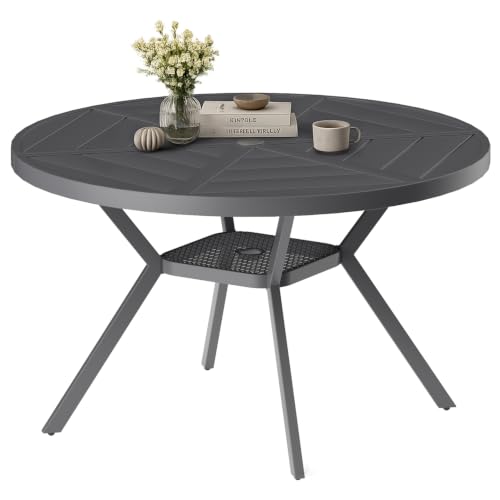
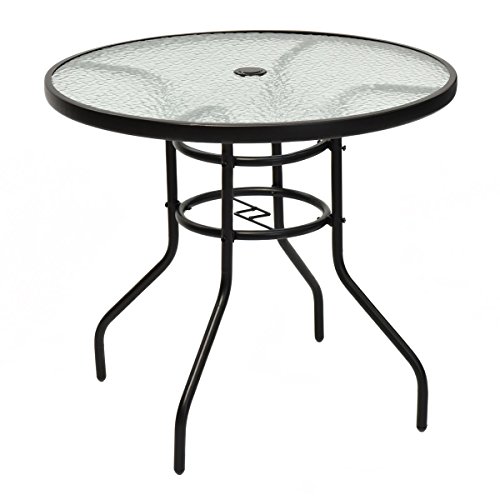
A 48-inch round glass patio table with an umbrella hole is an outdoor dining table with a circular top roughly four feet in diameter, a glass table surface (typically tempered), and a pre-drilled center hole that accommodates a patio umbrella pole, usually 1.5 to 2 inches in diameter. The table is supported by a metal or resin base, often in aluminum, steel, or cast aluminum construction, with a powder-coated or rust-resistant finish for outdoor durability.
This configuration differs from solid-top tables in a few meaningful ways. Glass tops reflect light and visually expand small spaces, they are easy to wipe clean after meals, and they show less fading than some composite surfaces. The umbrella hole is the functional centerpiece: it lets a standard market umbrella pass through the table, anchoring shade directly over the dining area rather than beside it. If you are still weighing shapes, our guide to the 48 inch round patio table with umbrella hole covers how round tables compare with rectangular alternatives in seating efficiency and traffic flow.
Sizing and Seating: How Many People Fit at a 48-Inch Round Table?
Seating capacity is the first question most buyers ask. A 48-inch round table comfortably seats four adults with full-size dining chairs. With slimmer chairs, a bench, or a mix of armless and armed chairs, five to six people can dine without feeling cramped. The key constraint is chair width and how far chairs pull out from the table edge.
- Four diners: The most comfortable layout. Each person gets roughly 30 inches of table edge, which is the standard place-setting allowance.
- Five diners: Workable with armless chairs and a slightly tighter arrangement.
- Six diners: Possible with narrow bistro-style chairs, but best reserved for casual meals rather than formal dining.
Space planning matters as much as seat count. Allow about 36 inches of clearance between the table edge and any wall, railing, or grill so chairs can slide back safely. On a small balcony or compact deck, this is where the round footprint pays off: there are no corners to navigate around, and the table can sit closer to curved railings than a rectangular top would allow. If your outdoor area is tight, our guide to the small patio layout ideas explains how round tables improve circulation in narrow spaces.
Glass Types and Table Top Construction
The glass top is the defining feature of this table category, and not all glass is equal. Most reputable outdoor tables use tempered glass, which is heat-treated to increase impact resistance. If tempered glass breaks, it fragments into small, blunt-edged pieces instead of sharp shards, which is a meaningful safety advantage on a patio where children and pets may be present.
Top thickness typically ranges from 6 mm to 10 mm. Thicker glass feels more substantial and resists flexing, while thinner glass is lighter and easier to handle during assembly or seasonal storage. Edge treatment also matters: polished or beveled edges reduce the risk of chips and improve the finished look. Some tables use tinted or textured glass to hide smudges and water spots, which is helpful in humid climates or near pools.
Glass care essentials
Clean the surface with mild soap and water rather than abrasive cleaners, which can scratch the glass or degrade edge seals. Use coasters under hot dishes to avoid thermal stress, and never drag rough planters or metal objects across the top. A fitted cover during off-season months protects both the glass and the frame. For a deeper maintenance routine, see our weatherproofing guide.
Frame and Base Options: Aluminum, Steel, and Cast Aluminum
The frame and base determine how stable the table feels, how well it resists rust, and how easy it is to move. Three materials dominate this category:
- Powder-coated aluminum: Lightweight, rust-resistant, and easy to reposition. Aluminum frames are common in mid-range and premium tables and hold up well in coastal climates where salt air accelerates corrosion.
- Steel: Heavier and very stable, but requires a robust rust-proof finish. Entry-level steel tables can develop corrosion at weld points if the coating chips, so inspect the finish carefully.
- Cast aluminum: Offers decorative detailing and a substantial feel while remaining rust-resistant. Cast aluminum tables often sit in the high-end tier and pair well with matching cast chairs, such as those in a 5 piece cast aluminum outdoor dining set.
Base style also affects stability. A four-leg base is simple and sturdy on flat surfaces. A pedestal base with a cross-foot design frees up legroom and reduces chair collisions, which is a real benefit at a 48-inch round table where diners sit close together. Umbrella stability is a related consideration: the table hole holds the pole, but the umbrella base beneath the table does the anchoring work. A weighted base rated for your umbrella canopy size is essential, especially in windy, exposed locations.
Umbrella Compatibility: Matching Canopy Size to Your Table
The umbrella hole is only useful if the umbrella fits properly. A 48-inch round table pairs best with a 7.5 to 9-foot market umbrella. A 9-foot canopy delivers generous shade across the full table and seating zone, while a 7.5-foot canopy suits tighter patios or breezy locations where a smaller sail area is easier to manage.
Pole diameter is the other critical spec. Most market umbrellas use a 1.5-inch pole, and most 48-inch tables are drilled to match. Confirm the hole diameter before ordering, particularly if you plan to use a tilt umbrella or a solar-powered model. If you are building out shade across a larger seating area, our comparison of cantilever umbrellas with weighted bases explains when an offset design outperforms a through-table umbrella.
Through-table vs. offset umbrella
A through-table umbrella is the simplest shade solution: the pole passes through the table hole into a base beneath, keeping shade centered over diners. An offset or cantilever umbrella moves the pole to the side, which is useful when you want uninterrupted table space or when the table sits against a railing. Both work with a 48-inch round table, but through-table umbrellas are generally easier to reposition and store.
Key Buying Factors and a Tier-Based Comparison
Because product positioning varies widely in this category, it helps to think in tiers rather than absolutes. The table below compares typical characteristics across entry-level, mid-range, and premium 48-inch round glass tables. Use it to match construction quality to how often you entertain and how exposed your patio is to weather.
| Feature | Entry-Level Tier | Mid-Range Tier | Premium Tier |
|---|---|---|---|
| Glass | 6–8 mm tempered glass, basic edge finish | 8 mm tempered glass, polished edges | 10 mm tempered or tinted glass, beveled edges |
| Frame | Powder-coated steel or light aluminum | Reinforced aluminum with rust-proof finish | Heavy-duty cast aluminum or high-grade aluminum |
| Stability | Four-leg base, adequate on flat surfaces | Pedestal or reinforced leg base with cross-foot | Weighted pedestal with wide footprint and leveling feet |
| Umbrella Hole | Standard 1.5-inch hole | 1.5–2-inch hole with protective grommet | Reinforced hole with grommet and base mounting bracket |
| Weather Resistance | Basic coating, best under a cover | Weather-resistant coating, suitable for year-round use | Commercial-grade finish, coastal and UV resistant |
| Assembly | Simple bolt-together, 30–45 minutes | Moderate, 45–60 minutes with clear instructions | More components, 60+ minutes, often includes tools |
| Best For | Occasional dining, covered patios, starter homes | Frequent family meals, mixed sun exposure | Entertaining-focused patios, exposed decks, long-term use |
Beyond tier, check the warranty terms, replacement-part availability, and whether the table ships with a matching chair set. Many buyers pair a standalone table with a coordinated dining set; our guide to 48 inch round outdoor dining tables and chairs covers complete set options if you prefer a single purchase.
Setup, Placement, and Everyday Use
Getting the most from a 48-inch round glass table comes down to a few practical habits:
- Level the surface first. A round glass top will rock on an uneven patio, and persistent rocking can stress the frame joints. Check the slab or deck for low spots and use leveling feet where available.
- Seat the umbrella base before the table. Place the weighted base in position, then assemble the table around the pole. This avoids lifting the table later and reduces the risk of dropping the glass.
- Leave breathing room around chairs. Keep at least 36 inches between the table edge and walls, grills, or planters so chairs can pull out without scraping.
- Cover the table when idle. A fitted cover protects the glass and finish from UV, pollen, and bird droppings. If a cover is impractical, store cushions indoors and wipe the glass weekly.
- Inspect fasteners seasonally. Tighten bolts at the start of each warm season and touch up any chips in the powder coating before rust can take hold.
For a table cover specifically sized to this dimension, see our notes on the 48 inch round patio table cover with umbrella hole, which covers fit options that accommodate the pole.
Variations and Alternative Configurations
Not every buyer wants a through-table umbrella, and not every table top is glass. A few adjacent options are worth knowing:
- No umbrella hole: If your shade comes from a cantilever umbrella or a pergola, a solid table without a center hole gives you an uninterrupted glass surface. See the 48 inch round glass top patio table for hole-free configurations.
- Replacement tops: If your existing frame is sound but the glass is chipped, a 48 inch round glass patio table top replacement is often the most efficient path to refresh the setup.
- Solid-top alternatives: Cast aluminum or composite tops resist chips better in high-traffic households. The 48 inch round cast aluminum patio table is a durable alternative if glass care feels like a burden.
- Compact relatives: If 48 inches is too large, step down to a 40 inch round patio table with umbrella hole or a 30 inch round patio table with umbrella hole for balconies and breakfast nooks.
Frequently Asked Questions
What size umbrella fits a 48-inch round glass patio table?
A 7.5 to 9-foot market umbrella is the standard match. A 9-foot canopy shades four to six diners comfortably; a 7.5-foot canopy is better for tighter patios or windy locations.
Is tempered glass safe for outdoor patio tables?
Yes. Tempered glass is heat-treated for impact resistance and breaks into small blunt fragments rather than sharp shards, which is why it is the standard for outdoor glass tops. Avoid non-tempered glass on patios.
How many people can sit at a 48-inch round table?
Four adults sit comfortably. Five to six can fit with slimmer chairs or a bench, though the arrangement becomes tighter.
Can I use a cantilever umbrella with a glass table that has an umbrella hole?
Yes, but the hole is not needed in that setup. A cantilever umbrella stands beside the table and can be positioned to shade it without a through-pole. Many buyers choose a hole-free table when they know they will use an offset umbrella.
How do I keep the glass from scratching?
Use coasters and placemats, avoid dragging metal or ceramic objects across the surface, and clean with mild soap and a soft cloth. A fitted cover during off-season months prevents grit from accumulating on the glass.
Next Steps: Matching Your Table to the Rest of the Patio
A 48-inch round glass table is rarely a standalone purchase. Chairs, shade, and storage all interact with it. If you are furnishing a full dining zone, browse related configurations such as a 4 person patio dining set with umbrella or a 3 piece patio set with umbrella hole for compact alternatives. For larger gatherings, step up to a 10 person outdoor dining table with umbrella.
Shade planning deserves equal attention. If your patio is exposed for most of the day, compare through-table umbrellas with a 10 ft cantilever umbrella with solar lights or an 11 ft cantilever umbrella with LED lights for evening entertaining. And if glass care is a concern in a busy household, review the solid-top alternatives above before finalizing your choice.