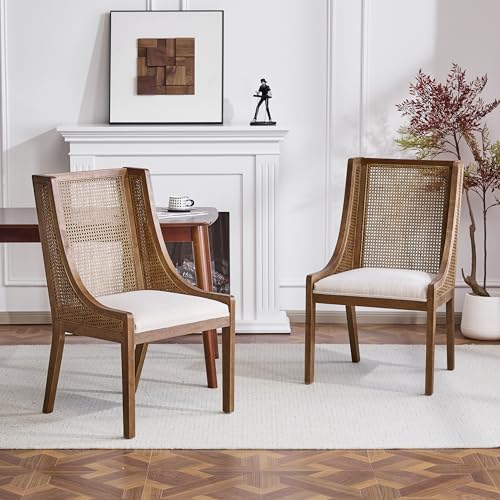
Cane Chairs Dining: The Complete Buyer's Guide
Everything you need to know about choosing cane dining chairs for your patio — materials, construction, styles, and expert design tips.
Explore Cane Dining ChairsWhy Cane Dining Chairs? Cane chairs bring a timeless, breathable elegance to outdoor dining spaces. The woven cane technique — whether natural rattan, synthetic resin, or treated bamboo — offers visual warmth, lightweight maneuverability, and excellent airflow for warm climates. If you are researching cane dining chairs, you likely already know they suit your style. This guide fills in the gaps: material differences, construction quality signals, frame compatibility, and maintenance realities so you can buy with confidence.
Understanding Cane Materials: Natural vs. Synthetic
The word "cane" technically refers to the peeled outer bark of the rattan vine, woven into a mesh pattern. In the marketplace, however, "cane chairs" is used broadly for woven-seat and woven-back dining chairs. The material you choose determines durability, weather resistance, and maintenance needs. Here is the breakdown:
Natural Rattan Cane
Traditional and visually warm. Natural rattan cane offers an organic texture that synthetic versions struggle to replicate. It performs best in covered patios or screened porches. Without protection from direct rain and UV, natural cane can dry, crack, or develop mildew over time. Best suited for covered outdoor dining areas and indoor-outdoor transitions.
Synthetic Resin Cane
Woven from UV-stabilized high-density polyethylene (HDPE) or PVC strands. Synthetic cane mimics the look of natural rattan while resisting moisture, fading, and cracking. It is the top-tier choice for fully exposed patios and rainy climates. Modern synthetic cane is difficult to distinguish from natural rattan at arm's length, making it a practical choice for year-round outdoor use.
Paper-Cord & Treated Fiber
A mid-range option where paper or cellulose fiber is tightly wrapped and treated with water-repellent coatings. These chairs offer a softer, more textured hand-feel than synthetic resin. They perform well in semi-covered spaces but require seasonal re-treatment with a protective sealant to maintain weather resistance over multiple seasons.
Frame Construction: The Backbone of Durability
The frame determines whether your cane dining chairs survive wind, weight, and repeated movement. The woven cane is the visual signature, but the frame does the structural work. Here is what to look for:
Aluminum Frames
Powder-coated aluminum is the premium-tier standard for outdoor cane chairs. It is lightweight, rust-proof, and strong enough to support full adult weight without flexing. Look for welded joints rather than screwed connections, and a powder-coat finish that is at least 1.5 mils thick. Aluminum frames paired with synthetic cane represent the most weather-durable combination available.
Steel Frames
Heavy-duty steel provides excellent rigidity and a planted feel, but requires a rust-proof finish — typically powder coating or galvanized treatment. Steel frames are common in mid-range to high-end tier cane dining sets. Inspect welds and ensure the finish covers all interior surfaces; exposed steel at joints is the first place rust appears.
Wood & Bamboo Frames
Solid wood or bamboo frames offer the most natural aesthetic and pair beautifully with natural cane wraps. These are entry-level to mid-range in outdoor settings unless the wood is a rot-resistant species (teak, acacia, or eucalyptus) with a marine-grade finish. Wood frames require the most maintenance but deliver unmatched visual authenticity.
Cane Dining Chair Styles for Every Patio Aesthetic
Cane chairs are not a single look. The weave pattern, frame shape, and finish determine whether your dining set reads as coastal, bohemian, modern, or traditional. Here is how to match cane chairs to your outdoor design direction:
| Style | Key Features | Best For | Tier Positioning |
|---|---|---|---|
| Coastal / Nautical | White or natural cane, light wood or aluminum frames, open weave, curved arms | Beach houses, poolside dining, breezy porches | Mid-Range |
| Bohemian / Eclectic | Natural rattan, rounded barrel backs, mixed materials, vintage-inspired silhouettes | Layered gardens, creative patios, relaxed entertaining spaces | Entry-Level to Mid-Range |
| Modern / Minimalist | Black or charcoal synthetic cane, clean geometric frames, straight lines, no armrests | Contemporary patios, urban balconies, monochrome schemes | Premium |
| Traditional / Classic | Honey-toned natural cane, turned wood legs, high backs, decorative bindings | Formal garden dining, covered verandas, heritage homes | High-End |
| Commercial-Grade | Reinforced synthetic cane, heavy-duty aluminum frames, stackable design, UV-stabilized | Restaurants, cafes, high-traffic hospitality spaces | Luxury |
Advantages and Limitations of Cane Dining Chairs
Every material choice involves trade-offs. Understanding the honest pros and cons of cane dining chairs helps you set realistic expectations and choose the right tier for your conditions.
✓ Advantages
- Excellent breathability — ideal for hot, humid climates
- Lightweight and easy to rearrange for entertaining
- Visual warmth that softens hard patio surfaces
- Synthetic versions are highly weather-resistant
- Blends with both natural and modern design schemes
- Stackable options available for compact storage
– Limitations
- Natural cane requires protection from prolonged rain
- Woven seats can sag over years of heavy use
- Pet claws and rough surfaces can snag the weave
- Lower-tier synthetic cane may fade under intense UV
- Not as plush as cushioned upholstered dining chairs
- Repair of damaged weave requires specialist skill
Cane Dining Chair Buying Checklist
Before you commit to a cane dining set, run through these verification points. This checklist is designed for the research-stage buyer who wants to avoid common post-purchase regrets:
1. Verify the Weave Density
Run your hand across the cane weave. Tight, uniform strands with no gaps indicate quality construction. Loose or irregular weaving is a warning sign of entry-level manufacturing that will loosen further with use. For dining chairs, the seat weave should feel firm with minimal give under thumb pressure.
2. Check Joint Integrity
Inspect all frame joints — especially where the backrest meets the seat and where legs attach. Welded aluminum joints should be smooth and fully coated. Wood joints should be tight with no visible gaps. Screwed or bolted joints should have locking washers and be recessed.
3. Confirm UV Stabilization
For synthetic cane, confirm the material is UV-stabilized. This is the single biggest factor in long-term color retention. Unstabilized synthetic cane will chalk and fade within two to three seasons of direct sun exposure. Ask the manufacturer directly if the specification is not listed.
4. Assess Seat Height Compatibility
Standard dining table height is 28–30 inches. Cane dining chairs should have a seat height of 17–19 inches to fit comfortably beneath the table. If you are matching cane chairs to an existing table, measure the apron depth — thick table aprons may prevent chairs with high arms from tucking in fully.
5. Evaluate Weight Capacity
Reputable manufacturers list weight capacity. For outdoor dining chairs, look for a minimum rating of 250 lbs per chair, with premium and commercial-grade models rated at 300 lbs or higher. Weight capacity reflects frame strength and joint quality more reliably than visual inspection alone.
6. Plan for Storage & Care
Decide whether your cane chairs will live outdoors year-round or be stored seasonally. Natural cane chairs benefit from a furniture cover during off-season months. Synthetic cane chairs tolerate full exposure but benefit from a rinse-down each season to prevent pollen and debris from lodging in the weave.
Maintaining Cane Dining Chairs for Long-Term Performance
Cane chairs are not high-maintenance, but they are not maintenance-free either. The care routine depends entirely on the material tier you choose:
- Weekly: Dust the cane weave with a soft brush or vacuum brush attachment to prevent dirt from settling into the gaps.
- Monthly: Wipe synthetic cane with a damp cloth and mild soap solution. Rinse and dry thoroughly. Avoid harsh chemical cleaners that can degrade the resin coating.
- Seasonally: For natural cane, apply a light coat of furniture wax or a dedicated rattan sealant before the rainy season. Inspect for loose strands and trim any fraying ends to prevent further unraveling.
- Annually: Check all frame joints for tightness. Tighten any bolts or screws. Touch up powder-coat chips on aluminum or steel frames with a matching touch-up paint to prevent corrosion.
If your patio is fully exposed to the elements, synthetic cane over an aluminum frame is the most forgiving combination. If your dining area is covered, natural cane over a wood frame rewards you with unmatched visual authenticity and requires only seasonal care. For related guidance on frame materials, see our cast aluminum patio furniture guide and black rattan dining chairs set for a modern contrast.
Ready to Choose Your Cane Dining Chairs?
Browse our curated selection of cane dining chairs — from entry-level natural rattan to commercial-grade synthetic sets — and compare features side by side.
View Recommended Cane Dining ChairsFrequently Asked Questions About Cane Dining Chairs
Related Outdoor Dining Resources
Explore more guides to complete your outdoor dining setup:
- Cane Furniture: Complete Material Guide — deeper dive into cane vs. rattan vs. wicker terminology and construction.
- Black Outdoor Dining Chairs Set of 4 — a modern alternative to natural cane for dark-frame patios.
- Cafe Chairs and Tables — compact bistro-style seating for small patios.
- Cast Aluminum Outdoor Dining Sets — heavier, more permanent dining sets for larger patios.
- Patio Buying Guides — our full library of research-driven purchasing guides.