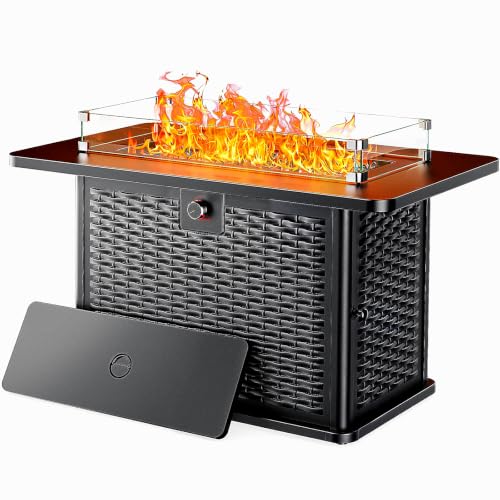
Cast Iron Fire Table: The Complete Buying & Care Guide
Everything you need to know about cast iron fire tables — construction, heat performance, safety, placement, and long-term maintenance — so you can choose the right outdoor centerpiece with confidence.
Start ResearchingWhy this guide matters: A fire table is a significant outdoor purchase. Most shoppers already know they want a fire feature — what they need is a clear understanding of how cast iron differs from steel and aluminum, what "BTU rating" really means for patio use, and how placement and fuel type affect daily enjoyment. This guide answers those questions in plain language.
What Is a Cast Iron Fire Table?
A cast iron fire table is a patio furniture piece that combines a tabletop surface with an integrated gas burner, usually hidden beneath decorative fire glass, lava rock, or ceramic logs. The cast iron construction refers to the table body, frame, and often the burner housing — a material chosen for its density, heat retention, and ability to hold intricate decorative castings.
Unlike lightweight aluminum tables, a cast iron fire table carries substantial mass. That mass translates into stability on windy patios, resistance to tipping, and a solid, anchored feel when guests lean against the edge. The trade-off is weight: these tables are typically stationary once placed, so planning the layout before delivery is essential.
Most modern cast iron fire tables run on propane or natural gas, which means no ash cleanup and no spark concerns from wood embers. If you are still deciding between a fire table and a classic wood-burning setup, our overview of cast aluminum patio furniture with fire pit options can help you compare construction approaches before committing.
Cast Iron vs. Steel vs. Aluminum: Material Reality Check
Understanding material differences is the single most useful piece of research you can do before buying. Here is how cast iron compares in practical terms:
- Cast iron: Heaviest of the three, excellent heat retention, resists warping, holds decorative detail beautifully. Requires finish care to prevent rust if the coating chips.
- Cast aluminum: Lighter, naturally rust-resistant, easier to reposition. Common in large conversation sets — see our guide to cast aluminum patio furniture conversation sets for context.
- Steel: Strong and often more economical in construction, but requires a robust powder coat to resist corrosion in humid climates.
For shoppers who want a table that stays put and feels substantial, cast iron is the premium choice. For those who rearrange their patio seasonally or move frequently, aluminum may be the more practical route. Neither is "better" — they serve different living situations.
How Cast Iron Fire Tables Work
Most cast iron fire tables follow the same basic architecture:
- Burner assembly: A stainless steel or cast iron burner ring sits inside the table body, connected to a gas supply.
- Ignition: Push-button or electronic ignition lights the gas; many models include a flame height control knob.
- Media bed: Fire glass, lava rock, or ceramic logs diffuse the flame and add visual depth.
- Heat output: Measured in BTUs (British Thermal Units). Entry-level patio fire tables often sit in the 30,000–40,000 BTU range, mid-range models commonly reach 50,000–60,000 BTU, and high-end tier units can exceed that for larger gathering areas.
- Fuel source: A concealed propane tank (often stored in the table base) or a plumbed natural gas line.
Because the flame is gas-fed and enclosed, there is no ash, no ember spray, and no need to wait for coals to die down. Shutting off the gas ends the fire immediately — a meaningful safety advantage for households with children or pets.
Heat Output: Matching BTUs to Your Space
BTU ratings are the most misread specification in fire table shopping. More is not automatically better. A 60,000 BTU table placed on a small covered balcony can overwhelm the space and waste fuel, while an undersized unit in an open, breezy yard will struggle to warm guests.
As a general framework:
- Entry-level tier (roughly 30,000–40,000 BTU): Suited to small patios, balconies, and two-to-four-person seating arrangements.
- Mid-range tier (roughly 45,000–55,000 BTU): The balanced choice for standard residential patios with four to six seats.
- High-end tier (55,000+ BTU): Appropriate for large decks, open-air setups, and cooler climates where the fire table doubles as a primary heat source.
Also consider flame aesthetics: a lower-BTU table with a wide burner often looks more inviting than a high-BTU unit with a narrow, aggressive flame. Visual warmth matters as much as measured heat.
Propane vs. Natural Gas: Which Fuel Fits Your Patio?
This decision usually comes down to permanence and convenience.
- Propane: Flexible placement, no professional installation, tank hidden in the base. You will need to monitor tank levels and swap or refill periodically. Best for renters and frequently rearranged spaces.
- Natural gas: Continuous supply, no tank swaps, cleaner long-term operation. Requires a licensed gas line installation and locks the table to one location. Best for permanent patio layouts and homeowners planning a long-term investment.
If your outdoor area is part of a larger built environment — for example, a patio attached to a house with an existing gas stub — natural gas is often the more efficient choice in the long run. If you are planning a freestanding deck or rental-friendly setup, propane keeps your options open.
Placement, Clearance, and Safety Essentials
Fire table safety is mostly about planning, not complexity. Before delivery, confirm the following:
- Overhead clearance: Keep the table well away from pergolas, umbrellas, awnings, and low tree branches. Heat rises, and fabric can scorch even at a distance.
- Side clearance: Maintain a buffer from railings, walls, and combustible furniture. Manufacturer instructions specify exact distances — follow them rather than guessing.
- Surface stability: Cast iron is heavy. Confirm your deck or patio surface can bear the load, especially on elevated decks. A level, solid base prevents wobble and stress on the gas connection.
- Wind exposure: Avoid placing the table in a direct wind tunnel between buildings; flame stability and fuel efficiency both suffer.
- Child and pet awareness: The tabletop edge and media bed get hot. Establish a "no-touch" zone and consider a screen or glass wind guard as both a safety and aesthetic upgrade.
If you are building a covered structure nearby, review our notes on building a patio cover attached to a house so that clearance and ventilation are planned from the start rather than retrofitted.
Aesthetic Styles: Where Cast Iron Fits
Cast iron's ability to hold fine detail makes it unusually versatile. It reads as traditional in a rustic farmhouse patio, as grounded and organic in a bohemian patio, and as architectural contrast in a modern patio when paired with clean-lined seating.
Color also shapes the mood. A dark cast iron table anchors a monochrome look beautifully, while a natural or bronze finish sits comfortably in earthy tones palettes. If you are experimenting with bolder accents, a bright colors scheme works well when the fire table itself stays neutral.
Building a Seating Arrangement Around the Fire Table
The fire table is a focal point, but the seating determines whether it actually gets used. A few placement principles:
- Conversation distance: Keep seating within comfortable talking range; a fire table that is too far from chairs becomes decorative rather than functional.
- Mix of seating types: Pair a sofa or loveseat with two lounge chairs for flexible group sizes. Our lounge chairs guide covers materials and comfort trade-offs.
- Grounding the space: An outdoor rug defines the seating zone and softens the visual weight of a heavy cast iron table. See our outdoor rugs guide for weather-ready materials.
- Evening ambiance: String lights or low-level outdoor lighting extend usability after sunset and reduce reliance on the fire alone for illumination.
- Small space strategy: On compact patios or balconies, a fire table can replace a coffee table entirely — see our balcony decor ideas for layout inspiration.
Care and Maintenance for Cast Iron Fire Tables
Cast iron rewards a little routine attention. A practical maintenance rhythm:
- Weekly (in season): Wipe the tabletop with a damp cloth. Remove debris from the media bed. Check that the burner ports are unobstructed.
- Monthly: Inspect the finish for chips or scratches. Touch up with manufacturer-approved high-temperature paint to prevent rust from starting.
- Seasonally: Clean the burner assembly, check gas connections for wear, and inspect the ignition system. Replace media if it has become sooty or discolored.
- Off-season: Use a fitted cover, disconnect the propane tank, and store the table in a sheltered location if possible. Our patio furniture covers guide explains how to choose a breathable, fitted cover that prevents trapped moisture.
If rust does appear, address it early. Our rust removal tips walk through the safe steps for cast iron surfaces, and the weatherproofing guide covers broader protection strategies for metal furniture.
For households in colder climates, the winter storage guide explains how to prepare fire tables and other outdoor pieces for the off-season without damaging finishes or gas components.
Cast Iron Fire Table vs. Alternatives: A Quick Comparison
| Feature | Cast Iron Fire Table | Cast Aluminum Fire Table | Wood-Burning Fire Pit |
|---|---|---|---|
| Weight & stability | Heavy, very stable | Moderate, easier to move | Varies; often heavy bowl |
| Heat retention | Excellent | Good | High but inconsistent |
| Smoke & ash | None (gas) | None (gas) | Smoke and ash present |
| Maintenance | Moderate; finish care | Low; rust-resistant | High; ash and soot cleanup |
| Best for | Permanent focal-point patios | Flexible, multi-use patios | Rustic, wood-fire ambiance |
Common Mistakes to Avoid When Buying
- Buying on BTU alone: Flame appearance, media quality, and table proportions matter just as much as heat rating.
- Ignoring the delivery path: A heavy cast iron table must fit through gates, doorways, and stairways. Measure before ordering.
- Skipping the cover: Even a premium fire table degrades faster without protection. Budget for a fitted cover from the start.
- Placing before planning: Layout, clearance, and fuel line routing should be decided before the table arrives, not after.
- Overlooking local regulations: Some communities restrict open-flame features on balconies or in fire-sensitive zones. Check local rules first.
Frequently Asked Questions
Is a cast iron fire table safe on a wood deck?
Most cast iron fire tables are designed to sit above the deck surface with integrated legs and a heat shield. Always confirm the manufacturer's clearance requirements, use a non-combustible pad underneath if specified, and never place a fire table directly against railings, walls, or overhead structures.
Can a cast iron fire table run on natural gas?
Many cast iron fire tables are available in both propane and natural gas versions. Natural gas models require a permanent gas line installed by a licensed professional, while propane models use a standard tank and offer more placement flexibility.
How do I prevent rust on a cast iron fire table?
Cast iron fire tables are typically protected with a high-temperature powder coat or enamel finish. Touch up chips promptly, keep the burner area dry when not in use, use a fitted cover during off-season months, and avoid abrasive cleaners that can remove the protective layer.
Do cast iron fire tables produce smoke?
Gas-powered cast iron fire tables produce little to no smoke, unlike wood-burning fire pits. This makes them suitable for patios, decks, and urban settings where smoke sensitivity may be a concern.
Bottom line: A cast iron fire table is a long-term investment in your outdoor living space. Focus on material honesty, appropriate heat output for your patio size, and a fuel type that matches how permanently you plan to arrange the space. Get those three decisions right, and the table will earn its place as the centerpiece of your backyard for years.