Coffee Table with Fire Pit in Middle: The Complete Buying Guide
Everything you need to know before choosing a fire pit coffee table — burner types, materials, safety, sizing, and how to pick the right centerpiece for your outdoor lounge.
Why this guide matters: A coffee table with a fire pit in the middle blends two jobs into one footprint — a surface for drinks and décor, plus a warm focal point for evening gatherings. But the wrong burner type, material, or size can turn a great idea into an awkward, unsafe, or short-lived purchase. This guide walks you through every decision so you can buy with confidence.
What Is a Coffee Table with a Fire Pit in the Middle?
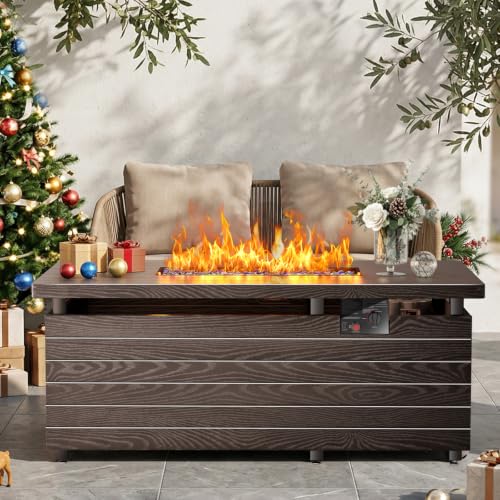
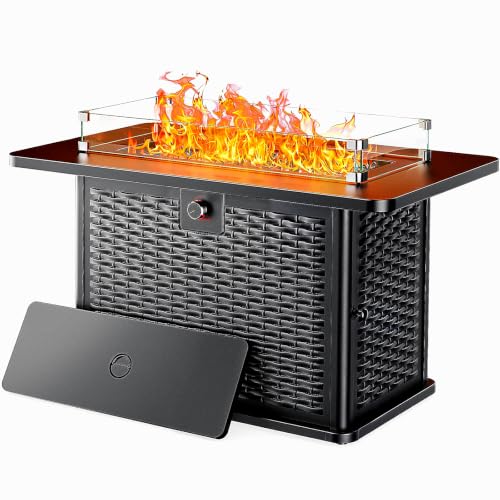
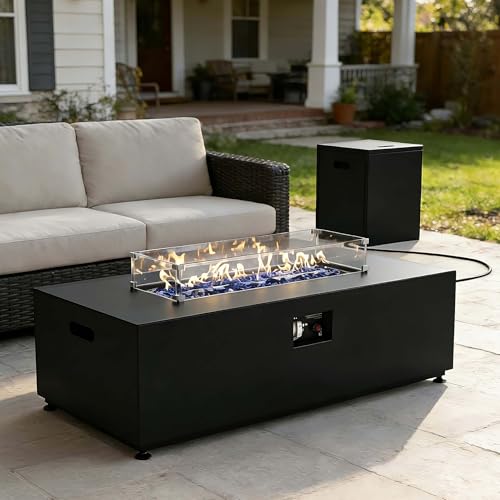
A fire pit coffee table is a low-profile outdoor table with a built-in burner recessed into the center of the tabletop. The surrounding surface stays usable for drinks, snacks, and small decor, while the central flame provides warmth and ambiance. Most models run on propane or natural gas, though some wood-burning and ethanol versions exist.
These tables are designed for lounge-style seating — sectionals, sofas, and deep lounge chairs — where a standard dining-height fire pit would sit too high. If you are still planning your seating arrangement, browse our guide to chairs for a fire pit to match comfort and scale.
The concept works best in covered patios, decks, and semi-enclosed lounges where the flame is sheltered from strong wind. For open or exposed areas, look for models with a wind guard or glass surround.
Burner Types: Propane, Natural Gas, Wood, and Ethanol
The burner is the heart of a fire pit coffee table. Each fuel type changes how you install, operate, and maintain the table.
Propane (Most Common)
Propane models typically use a hidden tank compartment or a standard 20 lb cylinder tucked beneath the table. They are portable, easy to light, and produce consistent flames. Entry-level and mid-range propane tables usually include a manual ignition, while premium and luxury tiers often add electronic ignition and adjustable flame height.
Natural Gas
Natural gas tables connect to a home gas line, so you never refill a tank. They are ideal for permanent patio installations but require a professional connection and a fixed location. High-end tier and professional-grade models dominate this category.
Wood-Burning
Wood-burning fire pit coffee tables deliver the classic crackle and aroma, but they demand more clearance, produce ash, and are harder to clean. They suit rustic and farmhouse patios and are best placed on non-combustible surfaces.
Ethanol
Ethanol burners are ventless, smokeless, and simple to use, but they generate less heat and require careful fuel handling. They are a good fit for balconies and smaller lounge areas where smoke is unwelcome.
Fire Pit Coffee Table Comparison by Fuel Type
| Fuel Type | Best For | Heat Output | Maintenance Level | Installation |
|---|---|---|---|---|
| Propane | Portable patios, renters, flexible layouts | Moderate to high | Low — refill tank, wipe surface | No line required |
| Natural Gas | Permanent lounge setups, covered patios | Moderate to high | Very low — no refills | Professional gas line connection |
| Wood-Burning | Rustic and farmhouse patios, open-air yards | High | Moderate to high — ash and soot cleanup | Clearance and non-combustible base |
| Ethanol | Balconies, small lounges, smoke-free spaces | Low to moderate | Low — refill fuel, clean burner | Ventless, no line required |
Table Materials: What Holds Up Outdoors
The tabletop and frame take a beating from sun, rain, and heat. Material choice determines how long the table looks good and how safe it stays near the flame.
Concrete and Cast Stone
Heavy, heat-resistant, and visually substantial. Concrete and cast stone tables suit modern and industrial patios and hold their look for years. They are difficult to move and require a solid, level surface — similar to planning a cement patio that can bear the load.
Powder-Coated Steel and Aluminum
Metal frames with a rust-proof finish are common in mid-range and premium models. Aluminum is lighter and easier to reposition; steel is heavier and more stable. Look for a reinforced, high-grade steel frame and a weather-resistant coating for long-term outdoor use.
Stone and Ceramic Tile Tops
Tiled tops add texture and a handcrafted feel. Check that the grout and tile are rated for outdoor and heat exposure, and avoid porous stone near the burner ring.
Composite and Resin
Composite outdoor furniture offers a wood-like look with lower maintenance. It is a solid choice for the entry-level and essential tier, though it may not match the heat tolerance of concrete or metal around the burner.
Glass Surrounds
Tempered glass wind guards are common on premium tables. They block breezes, improve flame stability, and add a polished look — but they need careful cleaning and inspection for chips.
Sizing and Placement: Getting the Proportions Right
A coffee table with a fire pit in the middle needs breathing room. The general guideline is 14–18 inches of clearance between the table edge and your seating so guests can reach drinks without leaning over the flame.
- Small lounge sets: Look for tables around 30–36 inches wide — enough for a compact burner and two drinks.
- Sectionals and large sofas: Tables in the 42–48 inch range balance the seating and keep the flame centered.
- Round vs rectangular: Round tables soften tight conversational layouts; rectangular tables work better in long, narrow patios and along a sofa line.
- Height: Coffee-height fire tables sit around 16–20 inches tall; confirm the height against your seat cushion height.
If your space is tight, our small patio layout guide covers space-saving arrangements that still allow a fire feature.
How to Choose: A Five-Step Buying Process
Confirm the Fuel Source
Decide between propane, natural gas, wood, and ethanol based on whether the table stays in one spot and whether smoke is acceptable.
Measure the Lounge Zone
Map the table footprint plus 14–18 inches of clearance on all sides. Check doorways and stairs for delivery access.
Match the Material
Choose concrete or metal for durability and heat resistance; composite for lighter maintenance; tile for a crafted look.
Check Safety Features
Look for a wind guard, heat shield, and a secure tank compartment. Ensure the table is rated for outdoor use and passes local codes.
Plan Storage and Care
Budget time for cover use and seasonal cleaning. See our weatherproofing guide for protective routines.
Quality Tiers: What to Expect at Each Level
Fire pit coffee tables vary widely in build quality. Use these universal tier descriptors to compare models without relying on numeric figures.
Entry-level tier: Basic steel or composite frame, manual ignition, smaller burner, and simpler surface finishes. Good value for its tier for occasional use on a covered patio.
Mid-range tier: Better metal thickness, improved burner controls, glass or stone accents, and a more weather-resistant coating. A solid choice for regular evening use.
Premium tier: Electronic ignition, adjustable flame height, tempered glass wind guards, and heavier frames. Well-specified for the category and built for multi-season exposure.
Luxury and professional-grade tier: Cast stone or designer tabletops, high-grade steel or aluminum construction, integrated tank storage, and refined finishes. A long-term investment for a permanent outdoor lounge.
Safety and Placement Checklist
A flame in the middle of a table demands basic precautions. Before you buy, confirm the following:
- Place the table on a level, non-combustible surface — concrete, stone, or a properly rated deck.
- Keep clearance from overhead structures, pergola beams, and fabric umbrellas.
- Check local rules for open flames on decks and balconies; some areas restrict propane or wood burning.
- Never leave a lit burner unattended, and keep children and pets away from the flame ring.
- Inspect hoses and connections before each season of use.
For broader outdoor safety routines, review our outdoor safety tips and the patio furniture covers guide for off-season protection.
Care and Maintenance
Routine care keeps the table looking sharp and extends burner life:
- Wipe the tabletop after each use to prevent stains from drinks and food.
- Clean the burner and lava rock or fire glass per the manufacturer's instructions.
- Cover the table when not in use to protect the finish from sun and rain.
- Store propane cylinders upright, outdoors, and away from heat sources.
- Inspect glass surrounds and ceramic parts for chips each season.
Our furniture cleaners guide covers products safe for metal, stone, and composite surfaces.
Frequently Asked Questions
Can I use a fire pit coffee table under a covered patio?
Yes, propane and natural gas tables are commonly used under covered patios, but check ceiling height and local code requirements for clearance. Never use a wood-burning table under a low ceiling.
How much clearance is needed around the flame?
Keep at least 14–18 inches between the table edge and seating, and avoid leaning over the burner. Follow the manufacturer's stated clearances for overhead and side distances.
Is propane or natural gas better for a coffee table fire pit?
Propane is more flexible and portable; natural gas is more convenient for a permanent setup. Choose based on whether the table will stay in one location.
Can a fire pit coffee table stay outside all year?
Most outdoor-rated tables tolerate seasonal weather, but covering the table and protecting the burner during winter is strongly recommended to prevent corrosion and damage.
Do fire pit coffee tables require assembly?
Many models ship partially assembled. Cast stone tables are heavy and may need two people for delivery and placement. Check the assembly guide for the model you choose.
Related Reading
Round out your outdoor lounge plan with these guides:
- Fire pits buying guide — compare freestanding styles and heat output.
- Outdoor lighting — layer ambient light around your fire feature.
- Comfortable outdoor furniture with cushions — seating that pairs well with a low table.
- Outdoor rugs — define the lounge zone around the table.
- Patio sofas — match sofa scale to your table footprint.