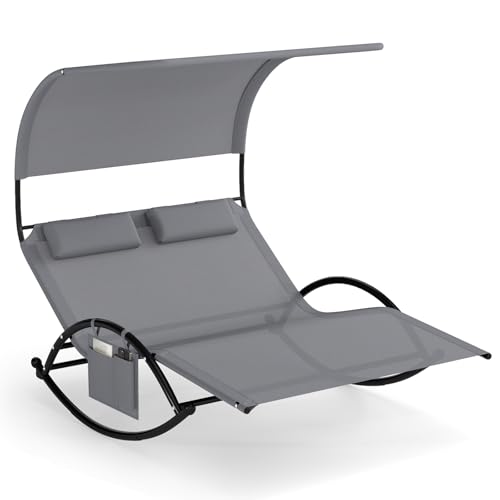
Double Chaise Lounge Outdoor With Canopy: The Complete Guide
Everything you need to know about choosing a shaded double lounger for two — from frame materials and canopy fabrics to setup, care, and smart placement on your patio or deck.
Why this guide matters: A double chaise lounge with an integrated canopy combines two of the most requested outdoor features — shared relaxation and built-in sun protection. If you are researching this product, you already know you want a lounger for two. This guide helps you compare construction, comfort, and durability so you can choose confidently.
What Is a Double Chaise Lounge With Canopy?
A double chaise lounge outdoor with canopy is a wide outdoor lounger engineered for two people to recline side by side, paired with an adjustable shade canopy mounted to the frame. Unlike a pair of single loungers pushed together, a true double chaise shares one continuous frame, one cushion platform (or two joined platforms), and one integrated shade structure. This creates a more unified look on the patio and eliminates the gap between two separate units.
These loungers are popular on pool decks, beachfront patios, and poolside terraces where sun exposure is constant. The canopy typically pivots or tilts, letting you block direct rays at low sun angles or fold it back when you want full exposure. If you are still comparing form factors, our guide to a standard double chaise lounge explains how the two-person layout differs from single loungers and daybeds.
Key Features to Evaluate Before You Buy
Because this is a two-person product with a moving shade component, the feature set matters more than on a basic lounger. Focus on these four areas first.
Frame Construction
Aluminum frames with a rust-proof finish are the most common choice for poolside use. Powder-coated steel is heavier-duty but requires more attention to paint chips. Wicker or rattan wrapped over an aluminum core offers a natural look with solid weather resistance.
Canopy Mechanism
Look for a canopy that tilts and locks at multiple angles. Ratcheting or friction-hinge designs hold position better than simple pin-and-hole adjusters. Check that the canopy arms feel stable when fully extended and that the fabric is taut.
Recline Range
Mid-range and top-tier models typically offer multi-position backrests with a flat-lay option. Entry-level units often stop at a few fixed angles. If you plan to lie flat for sunbathing, confirm the backrest folds fully horizontal.
Cushion & Fabric
Solution-dyed acrylic and polyester canopy fabrics resist fading better than untreated canvas. Cushions should use quick-dry foam and removable, washable covers. Higher-tier models use denser foam that holds shape longer.
Materials and Build Quality by Market Tier
To compare products without relying on numeric figures, it helps to classify them by market tier. The table below summarizes what you can generally expect at each tier. Use it as a relative benchmark — a well-specified mid-tier model can outperform a poorly built high-end tier unit.
| Tier | Typical Frame | Canopy Fabric | Best For |
|---|---|---|---|
| Entry-level | Lightweight aluminum or resin; basic welds | Standard polyester; limited UV treatment | Occasional use, covered patios, seasonal setups |
| Mid-range | Powder-coated aluminum; reinforced joints | Solution-dyed polyester; better fade resistance | Regular poolside use, full-sun patios |
| Premium | Heavy-duty aluminum or wicker over aluminum | Solution-dyed acrylic; water-repellent finish | Daily use, windy or coastal environments |
| Luxury / commercial-grade | Reinforced commercial aluminum; marine-grade hardware | High-grade acrylic with mildew resistance | Hospitality use, resort-style decks, year-round exposure |
If you are outfitting a covered porch with limited direct sun, an entry-level or mid-tier model may be entirely sufficient. For a pool deck with constant exposure, prioritize the premium tier for the canopy fabric and frame coating — those two components degrade first in harsh conditions.
Canopy Design: What Actually Matters
The canopy is the defining feature of this product, and it is also the part most likely to cause frustration if chosen poorly. Consider these points:
- Adjustability range: A canopy that tilts from vertical to near-horizontal covers the most sun angles. Fixed-angle canopies are simpler but less versatile.
- Locking mechanism: Friction hinges and ratcheting systems hold position. Pin-and-hole adjusters are simpler but offer fewer positions.
- Fabric tension: Slack fabric flaps in wind and collects water. Check that the canopy stays taut when deployed.
- Drainage: Look for a slight crown or drainage channel so rain does not pool on the fabric.
- Replacement availability: Canopy fabric is a wear item. Confirm replacement canopies are available for the model you choose.
Wind is the biggest enemy of any canopy lounger. On exposed decks, choose a model with a lower-profile canopy and a sturdy locking hinge, and fold the canopy down when the lounger is not in use. For broader shade strategies across your patio, see our guide to double chaise lounge options and how they compare to umbrella-based shade.
Comfort and Ergonomics for Two People
A double lounger is only as good as its comfort for two adults. Check the following:
- Seat width: Confirm the usable platform width. A true double needs enough room for two adults to lie without pressing against the frame edges.
- Weight capacity: Two people plus cushions can approach the limit of lighter frames. Check the stated capacity and leave margin.
- Backrest independence: Some models allow each side to recline separately; others move as one unit. Decide which suits you.
- Cushion thickness: Denser foam holds shape longer. Thinner cushions may feel comfortable initially but compress over a season.
- Height off the ground: A slightly higher seat height makes it easier to get up — useful for guests with mobility concerns.
If ergonomics are a priority, our guide to an ergonomic chaise lounge covers back support and recline geometry in more detail, and the principles apply directly to the two-person version.
Placement: Patio, Deck, or Poolside
Where you place the lounger determines how well the canopy works and how long the product lasts.
- Poolside: Choose aluminum over steel and confirm the finish is rated for chlorine and salt exposure. Rinse the frame periodically.
- Wood deck: Use furniture pads under the feet to prevent scuffing, and avoid dragging the unit.
- Concrete patio: The most forgiving surface. Ensure the lounger sits level so the canopy hinge does not bind.
- Small spaces: Measure the footprint with the canopy fully deployed, not just folded. The canopy sweep adds usable depth. For tight layouts, the space-saving ideas in our small-space furniture guide translate well to lounger placement.
- Wind exposure: Avoid open corners of elevated decks. If wind is unavoidable, fold the canopy when not in use.
Setup, Care, and Storage
Most double chaise loungers with canopies ship partially assembled. Expect to attach the canopy frame, legs, and wheels (if included). Assembly is usually manageable for one person with basic tools, though two people make positioning easier. If you would rather not handle assembly yourself, review your options in our delivery and assembly guide.
Ongoing care is straightforward:
- Wipe the frame with mild soap and water monthly during the season.
- Brush debris off the canopy fabric and spot-clean with a soft cloth.
- Check hinges and bolts at the start of each season and tighten as needed.
- Cover or store the unit during off-season months to protect the canopy fabric and cushion foam.
If your patio includes other seating, the same maintenance rhythm applies — our deep seating care overview covers cushion and frame upkeep that complements what you do for the lounger.
How This Lounger Fits Into a Larger Patio Layout
A double chaise with canopy works best as a dedicated relaxation zone rather than part of a dining or conversation cluster. Place it facing the view or the pool, leave a clear path on at least one side, and keep a small side table within reach for drinks and a book. If your patio also serves meals, keep the lounger zone separate from the dining area — the layout principles in our outdoor patio dining set guide help balance the two functions without crowding either.
For patios that double as entertaining spaces, consider pairing the lounger with a matching deep-seating piece or a deep sofa set so the relaxation zone feels intentional rather than improvised.
Ready to Compare Models?
Browse our curated selection of double chaise loungers with canopies and compare features, canopy mechanisms, and frame materials side by side.
Explore OptionsFrequently Asked Questions
What is a double chaise lounge outdoor with canopy?
It is a wide outdoor lounger designed for two people, featuring an integrated adjustable shade canopy that provides sun protection while you relax.
What materials are best for a canopy double chaise lounge?
Aluminum frames with rust-proof finishes and solution-dyed acrylic or polyester canopies are among the most durable choices. Wicker and rattan over aluminum offer a natural look with solid weather resistance.
How do I maintain a double chaise lounge with canopy?
Clean the frame with mild soap and water, brush off debris from the canopy fabric, and store or cover the unit during off-season months to extend its lifespan.
Can a double chaise lounge with canopy fit on a small patio?
Yes, many models are designed with compact footprints and folding or stackable features. Measure your space carefully and choose a model with a footprint that leaves comfortable walking room.