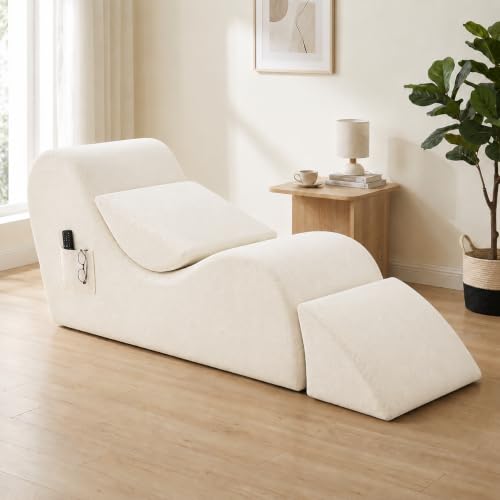
Ergonomic Lounge Chair: The Complete Buyer's Guide
Learn how to choose outdoor seating that supports your posture, reduces strain, and delivers lasting comfort for every season.
Explore Key FeaturesWhy ergonomics matter outdoors: A lounge chair that lacks proper lumbar support or a well-calibrated recline angle can turn a relaxing afternoon into a source of nagging discomfort. This guide breaks down the design elements that separate a genuinely supportive ergonomic lounge chair from a standard patio seat — so you can research with confidence before you buy.
What Makes a Lounge Chair Ergonomic?
An ergonomic lounge chair is engineered around the natural S-curve of the human spine. Instead of forcing your body into a flat or awkward position, it distributes weight evenly across the seat and backrest, keeps your hips and knees at comfortable angles, and supports the lower back so you can sit or recline for extended periods without fatigue. For outdoor use, these principles must be paired with weather-resistant materials and a stable frame that holds its geometry season after season.
The concept goes beyond padding thickness. True ergonomic design considers the relationship between seat height, seat depth, backrest angle, armrest position, and head support. When those dimensions work together, the chair adapts to your body rather than asking your body to adapt to the chair. If you are also comparing deeper seating styles, our guide to deep seating furniture explains how seat depth affects comfort and posture.
Key Ergonomic Features to Evaluate
Adjustable Lumbar Support
A contoured lower-back cushion or an adjustable strap system keeps the spine's natural curve intact. Mid-range and premium models typically offer more refined lumbar shaping than entry-level designs.
Recline Range
Look for a chair that reclines from roughly 105 degrees for upright reading to 140 degrees for deep relaxation. Multiple locking positions give you control over the angle.
Contoured Seat Cushion
A subtly scooped seat relieves pressure on the thighs and hips. High-density foam or quick-dry cushion cores hold their shape better over time than low-density fills.
Armrest Height & Width
Armrests should let your shoulders relax without hunching. Wide, flat armrests also make it easier to get in and out of the chair — an important detail for older users.
Head & Neck Support
An adjustable headrest or a tall backrest with a slight forward curve supports the neck during reclined lounging, reducing strain during long afternoons outdoors.
Stable Frame Geometry
Powder-coated aluminum or high-grade steel frames maintain the chair's ergonomic angles. A wide base and non-slip feet add stability on decks and patios.
Understanding Recline Angles
The recline angle is the single most influential ergonomic variable in a lounge chair. Sitting too upright for long periods can compress the lower spine, while reclining too far without head support strains the neck. A well-designed chair lets you transition smoothly between positions.
Ideal Angles by Activity
- Reading or conversation (105–110 degrees): Keeps the torso mostly upright with mild back support — ideal for social settings and outdoor dining-adjacent seating.
- Casual lounging (110–120 degrees): A relaxed midpoint that reduces pressure on the lower back while keeping the head comfortably supported.
- Deep relaxation or napping (120–140 degrees): Requires a headrest and a longer seat pan to support the legs. Best paired with a footrest or an integrated leg rest.
If you prefer a chaise-style lounger rather than a reclining armchair, our guide to the ergonomic chaise lounge covers the specific geometry that makes full-length loungers comfortable for extended use.
Materials That Support Ergonomics Outdoors
Ergonomic comfort is only sustainable if the materials hold up to sun, rain, and temperature swings. A chair with excellent geometry but a frame that warps or cushions that flatten after one season will lose its supportive properties quickly.
Frame Materials
- Powder-coated aluminum: Lightweight, rust-resistant, and precise enough to hold tight ergonomic tolerances. The standard for mid-range and premium outdoor lounge chairs.
- High-grade steel: Heavier and very stable, often used in commercial-grade furniture. Requires a rust-proof finish to survive wet climates.
- Solid teak or eucalyptus: Naturally weather-resistant woods that age gracefully. Look for kiln-dried construction and stainless-steel hardware.
- Resin wicker over metal frame: Offers a woven look with good durability; check that the weave is tight and UV-stabilized to prevent fading and cracking.
Cushion and Fabric Materials
- Solution-dyed acrylic fabric: Resists fading and mildew; retains its shape and color through repeated sun exposure.
- Quick-dry foam cores: Allow water to drain and air to circulate, preventing the cushion from becoming soggy and losing support.
- High-density foam: Holds its ergonomic contour longer than low-density fills, which tend to compress and flatten.
If you already own outdoor furniture and want to upgrade its comfort, replacing worn cushions is an efficient option. Our guide to deep seating replacement cushions explains how to match cushion dimensions and firmness to your frame.
Market Tiers at a Glance
Ergonomic lounge chairs fall into recognizable tiers based on construction quality, adjustability, and material refinement. Use this comparison to align your expectations with the tier that fits your outdoor space and usage habits.
| Tier | Best For | Typical Ergonomics |
|---|---|---|
| Entry-level | Occasional use, balconies, starter patios | Fixed or limited recline, basic foam cushions, simpler frame geometry |
| Mid-range | Regular family use, decks, poolside areas | Multi-position recline, contoured cushions, adjustable lumbar strap |
| Premium | Daily use, dedicated lounging zones | Precision recline mechanisms, high-density quick-dry cushions, refined lumbar shaping |
| Luxury / commercial-grade | Hospitality settings, long-term outdoor installations | Fully adjustable ergonomic systems, heavy-duty frames, top-tier weatherproof fabrics |
As a general rule, mid-range models offer noticeably smoother recline mechanisms and better cushion retention than entry-level chairs, while premium and luxury tiers focus on long-term durability and fine-tuned adjustability. Matching the tier to how often you actually use the chair is the most reliable way to make a worthwhile investment.
Buying Checklist: Research Before You Commit
Before finalizing your choice, run through these practical checks. They help you avoid the most common sources of post-purchase discomfort.
- Measure your space: Account for the chair's full recline footprint, not just its upright dimensions. Allow clearance for the backrest to tilt without hitting walls or railings.
- Confirm seat height and depth: Your feet should rest flat on the ground (or footrest) with your knees at roughly hip height. Seat depth should leave a small gap behind your knees.
- Test the recline mechanism: Look for smooth, locking positions rather than friction-based sliders that loosen over time.
- Check the weight capacity: Published limits reflect frame strength and stability. Choose a chair rated comfortably above your body weight.
- Review the fabric and frame warranty: Longer warranties on frames and solution-dyed fabrics usually signal higher-grade materials.
- Plan for maintenance: Confirm that covers, cushions, and hardware are replaceable. Our outdoor care guides cover cleaning and seasonal storage in detail.
- Consider assembly and delivery: Large reclining chairs may require professional assembly. Our guide to delivery and assembly explains what to expect.
Frequently Asked Questions
What makes a lounge chair ergonomic?
An ergonomic lounge chair supports the natural curve of your spine, distributes body weight evenly, and reduces pressure points. Key features include adjustable lumbar support, a recline angle between 105 and 115 degrees for upright comfort, contoured seat padding, and armrests that keep your shoulders relaxed.
What recline angle is best for outdoor lounging?
For reading or conversing, 105 to 110 degrees is ideal. For deeper relaxation, 120 to 140 degrees works well. Choose a chair with adjustable recline positions so you can switch between activities without strain.
How do I maintain an ergonomic lounge chair outdoors?
Use a weather-resistant cover when the chair is not in use, clean the frame and cushions according to the manufacturer's instructions, and store cushions indoors during harsh weather. High-grade materials such as powder-coated aluminum and solution-dyed fabrics require less maintenance.
Can I use indoor ergonomic chairs outdoors?
Generally, no. Indoor chairs often use materials that degrade under UV exposure and moisture. Outdoor ergonomic lounge chairs are built with weather-resistant frames, quick-dry cushions, and fade-resistant fabrics that maintain their supportive geometry over time.