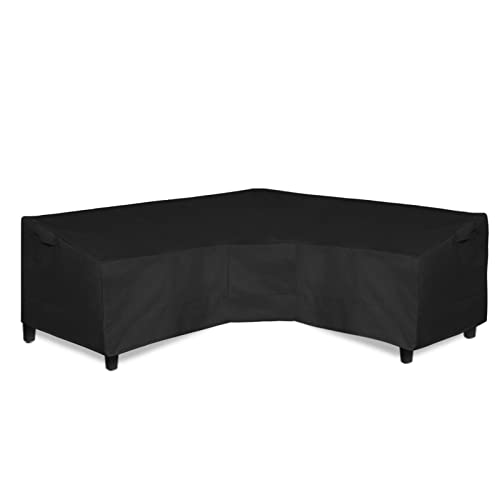
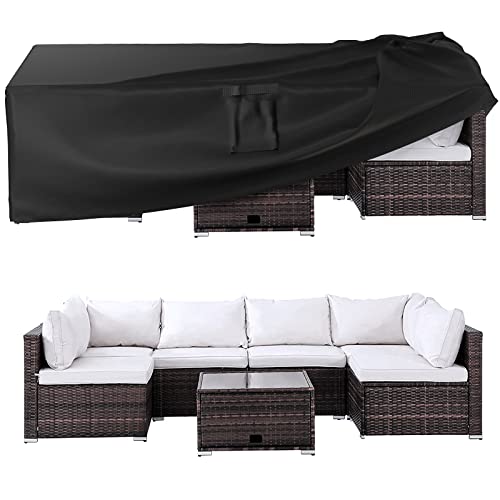
Extra Large Waterproof Garden Furniture Covers: The Complete Buying Guide
Your oversized patio set deserves protection that actually fits. Learn how to size, choose, and maintain XL waterproof covers so your outdoor investment stays dry, clean, and ready to use season after season.
Skip to the Buying ChecklistWhy this guide matters: If you have already chosen a large sectional, a long dining table, or a multi-piece lounge arrangement, you are past the research phase. What you need now is confidence that the cover you buy will actually fit, shed water properly, and survive the elements. This guide focuses entirely on that decision.
Why Extra Large Covers Are a Different Purchase Entirely
Standard covers are designed around compact bistro sets and individual chairs. An extra large waterproof garden furniture cover has a fundamentally different job: it must span long spans of fabric or metal without sagging, resist wind lift across a large surface area, and channel heavy rainfall away from seams that sit under constant tension. That is why the best XL covers are not simply scaled-up versions of smaller ones — they use reinforced stitching, additional tie-down points, and heavier fabric weights.
If your outdoor setup includes a deep seating arrangement or a dining outdoor patio set, you likely have furniture with irregular silhouettes, protruding arms, and tall backs. A cover that is merely "big" will pool water in the gaps. A cover that is correctly sized for extra large furniture will drape cleanly and let moisture escape.
How to Measure Furniture for an XL Waterproof Cover
Measurement is the single biggest cause of returns on large covers. Follow this sequence:
- Width: Measure the widest point across the front of the furniture, including armrests.
- Depth: Measure front to back, including any reclined backs or canopy overhang.
- Height: Measure from the floor to the highest point — the top of the backrest, not the seat.
- Add clearance: Add several inches to each dimension so the cover reaches the ground and allows air movement underneath.
A common mistake is measuring only the seat footprint. For pieces like an extra large outdoor rocking chair with cushions, the reclined back adds significant depth that a flat footprint measurement will miss. When in doubt, size up rather than down — a slightly loose cover with tie-downs performs better than a tight one that splits at the seams.
Fabric and Construction: What Separates Tiers
Waterproofing is not a single feature — it is a combination of fabric, coating, and seam treatment. The market generally splits into three tiers:
Essential Tier
Basic polyester with a light waterproof coating and simple stitched seams. Adequate for mild climates and short-term protection, but UV fading and seam wear appear sooner.
Balanced Tier
Solution-dyed polyester with a heavier backing, taped or sealed seams, and mesh vents. A solid choice for most homeowners who want multi-season durability without going flagship.
Top-Tier
Heavy-duty ripstop or marine-grade fabric with reinforced stress points, welded seams, and structured air vents. Built for harsh sun, heavy rain, and long-term outdoor exposure.
Within any tier, look for these construction details:
- Taped or welded seams at the top ridge, where water collects first.
- Mesh vents or air pockets to reduce condensation and wind lift.
- Elastic hem or drawstring to keep the cover anchored on windy days.
- Reinforced corners where the cover contacts sharp furniture edges.
- UV-stabilized fabric — critical for covers that stay on year-round.
Cover Type Comparison by Furniture Category
| Furniture Type | Best Cover Style | Key Consideration | Recommended Tier |
|---|---|---|---|
| Long dining table with benches | Rectangular XL cover with full-drop hem | Height must clear bench backs if left in place | Balanced tier or above |
| Deep seating sectional | Oversized L-shape or modular cover | Drape must follow the corner without pooling | Top-tier for year-round use |
| Lounge chairs and chaise pairs | Wide single cover or paired covers | Tie-downs essential to prevent wind lift | Balanced tier |
| Outdoor storage boxes | Fitted box cover with elastic hem | Ventilation to prevent interior condensation | Essential tier or above |
If you also store cushions and small accessories outdoors, pairing a furniture cover with an extra large waterproof outdoor storage box keeps loose items dry and reduces the number of separate covers you need to manage.
Waterproofing Myths and Practical Realities
“Waterproof” on a product label does not mean “maintenance-free.” Three realities matter:
- Pooling is the enemy. A large flat cover will sag and collect water unless it has a peaked structure or tension straps. Pooled water stresses seams and eventually seeps through.
- Condensation happens. A fully sealed cover traps moisture rising from damp furniture. Vents are not a weakness — they are what keeps mold from forming underneath.
- UV degrades coatings. Even top-tier fabric loses water repellency over time. Periodic re-treatment with a fabric-safe waterproofing spray extends the cover's working life.
Seasonal Care That Extends Cover Life
- Before covering: Clean and fully dry the furniture. Trapped dirt and moisture accelerate mildew.
- During the season: Brush off leaves and standing water after storms. Check that vents are not blocked.
- Before winter: Tighten all straps, confirm the hem reaches the ground, and inspect seams for early wear.
- Off-season: If you remove the cover, clean it, dry it completely, and store it folded — never stuffed into a damp shed.
For a full seasonal routine, our weatherproofing guide covers furniture preparation in detail, and our outdoor care section expands on cleaning products and protective treatments.
The XL Cover Buying Checklist
- Measure all three dimensions at the widest, deepest, and tallest points — then add clearance.
- Confirm seam treatment at the top ridge; taped or welded seams are the priority.
- Check for vents to manage condensation and reduce wind lift.
- Look for tie-downs, elastic hems, or drawstrings — essential for large surface areas.
- Verify UV stabilization if the cover will stay on year-round.
- Match the tier to your climate: balanced tier for temperate zones, top-tier for harsh sun and heavy rain.
- Plan storage: a cover that cannot be cleaned and stored properly will not last.
Frequently Asked Questions
How do I measure furniture for an extra large waterproof cover?
Measure the longest point of each dimension — width, depth, and height — including any protruding arms, backs, or canopy. Add a few inches of clearance on every side so the cover drapes fully to the ground and allows airflow.
What fabric is best for extra large waterproof garden furniture covers?
Solution-dyed polyester with a polyurethane or vinyl backing is the most common choice for large covers. Premium and top-tier tiers often use heavy-duty ripstop polyester or marine-grade fabric with taped seams, which resist UV fading and tearing better than entry-level fabrics.
Do waterproof covers cause mold or mildew?
Waterproof covers can trap condensation if they sit flush against the furniture. Look for covers with mesh vents or air pockets, and always dry the furniture and cover thoroughly before long-term storage.
How often should I replace a large patio furniture cover?
Entry-level covers typically last one to three seasons in harsh sun, while mid-range and premium tiers with UV-stabilized fabric can last several years. Replace any cover once seams separate, the waterproof coating flakes, or pooling water no longer beads off.
Final Thoughts
An extra large waterproof garden furniture cover is one of the most practical purchases you can make for a large outdoor setup — but only if it is sized and specified correctly. Prioritize measurement accuracy, seam quality, and ventilation over cosmetic features, and match the tier to your local climate. Done right, a quality cover protects your furniture through every season and pays you back in years of use.
Ready to Protect Your Patio Set?
Explore our recommended extra large waterproof garden furniture covers below. Each option is selected for sizing accuracy, seam construction, and long-term weather resistance.
View Recommended Covers