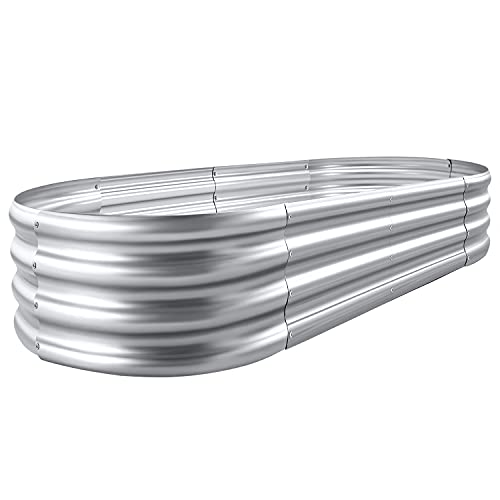
Garden Bed Planter: The Complete Buying & Growing Guide
Everything you need to choose the right raised garden bed planter for your backyard, patio, or balcony — materials, depth, drainage, soil preparation, and placement explained in plain language.
EXPLORE PLANTER OPTIONSWhy a garden bed planter matters: A raised garden bed planter gives you control over soil quality, drainage, and root depth — which means healthier plants and a more productive growing season. Whether you are growing herbs on a balcony or tomatoes in a backyard, the right planter design makes the difference between a struggling garden and a thriving one.
What Is a Garden Bed Planter?
A garden bed planter is a freestanding structure that holds soil above ground level, allowing you to grow vegetables, herbs, flowers, and small shrubs in a controlled environment. Unlike traditional in-ground beds, a raised garden bed planter lets you bypass poor native soil, improve drainage, and extend your growing season by warming the soil earlier in spring.
These planters come in two broad categories: open-bottom raised beds that sit directly on soil and allow roots to reach deeper, and container-style planter boxes with a solid base and drainage holes that can be placed on patios, decks, or balconies. Both work well — the right choice depends on your growing space, the plants you want to cultivate, and how much maintenance you are comfortable with.
If you are still planning the overall layout of your outdoor space, our guide to garden bench seating can help you design a comfortable, functional garden area around your beds.
Types of Garden Bed Planters
Understanding the main planter types helps you match the structure to your growing goals. Below are the most common categories, each with a market-position descriptor so you can compare them on quality and intended use rather than on any specific figure.
Fabric Grow Bags
Lightweight, breathable, and easy to move. Best for herbs, peppers, and small vegetables on balconies or patios. Fabric air-prunes roots and drains quickly, but dries out faster than solid planters.
Plastic & Resin Planter Boxes
Weather-resistant and simple to clean. Good for patios and small-space gardening. Look for UV-stabilized resin and reinforced drainage holes; thinner plastic can crack in hard frost.
Wooden Raised Beds
Cedar and redwood are naturally rot-resistant and insulate soil well. A solid choice for backyard vegetable gardens. Avoid treated lumber not rated for food crops; untreated pine breaks down within a few seasons.
Galvanized Steel Planters
Durable, pest-resistant, and long-lasting. Steel beds heat up faster in sun, which suits warm-season crops but can stress cool-season plants. Choose powder-coated or rust-proof finishes.
Composite Raised Beds
Made from wood-plastic blends that resist rot, insects, and splintering. Low maintenance and consistent in appearance. A long-term investment for gardeners who want a tidy, permanent layout.
Self-Watering Planter Beds
Built-in reservoirs reduce watering frequency and help stabilize moisture. Well-suited for busy gardeners and hot climates. Check reservoir capacity and overflow design before committing.
Material Comparison at a Glance
Use the table below to compare planter materials on durability, maintenance, and best-fit use. Tiers describe market position and quality, not any numeric figure.
| Material | Tier | Durability | Best For |
|---|---|---|---|
| Cedar / Redwood | Mid-range | High — naturally rot-resistant | Backyard vegetable beds, humid climates |
| Galvanized Steel | Mid-range | High — rust-proof with proper coating | Long-lasting beds, pest-prone areas |
| Composite | Premium | Very high — rot and insect resistant | Permanent layouts, low-maintenance gardens |
| Resin / Plastic | Entry-level | Moderate — UV degradation over time | Balconies, patios, small-space growing |
| Fabric Grow Bags | Entry-level | Moderate — 2 to 4 seasons typical | Herbs, peppers, movable container gardens |
| Untreated Pine | Starter tier | Low to moderate — breaks down quickly | Temporary beds, trial layouts |
How to Choose the Right Depth and Size
Depth is the single most important specification for a garden bed planter. Shallow beds limit root growth and dry out faster, while overly deep beds use more soil and can become heavy. Match depth to the crops you plan to grow:
- 6 to 8 inches: Lettuce, spinach, herbs, radishes, and other shallow-rooted greens.
- 10 to 12 inches: Bush beans, peppers, onions, and most compact vegetable varieties.
- 12 to 18 inches: Tomatoes, carrots, beets, and deep-rooted crops.
- 18 to 24 inches: Large shrubs, small trees, and mixed beds with deep-rooted plants; also reduces bending for gardeners with mobility concerns.
Width matters too. Keep beds to about 4 feet wide so you can reach the center from either side without stepping into the soil. Length is flexible and depends on your available space. For compact outdoor layouts, pair your planter with a garden bench that converts to a picnic table to create a multi-use garden zone.
Drainage, Soil, and Placement
Drainage is non-negotiable
Every planter needs a way for excess water to escape. Open-bottom raised beds drain into the ground naturally. Container-style boxes need drilled holes or a slatted base. If drainage is marginal, add a 1 to 2 inch layer of gravel or broken pottery beneath the soil line and ensure the planter sits level so water does not pool on one side.
Soil preparation
Use a blend of topsoil, compost, and coarse sand or perlite. Aim for loose, well-aerated soil that holds moisture without becoming waterlogged. Refresh compost each season to replenish nutrients. If you are growing acid-loving plants, test the pH before filling the bed.
Placement and sunlight
Most vegetables and herbs need 6 to 8 hours of direct sun. Place your garden bed planter where it receives morning sun and some afternoon shade in hot climates. Keep beds away from downspouts and low spots where water collects. On patios and decks, confirm the structure can support the weight of a filled planter — wet soil is heavy.
If you are designing a complete outdoor living area, our outdoor living guide covers how seating, shade, and garden zones fit together.
Buying Checklist Before You Commit
Confirm these details before ordering
- Planter depth matches the root depth of your intended crops.
- Drainage holes or an open bottom are present and unobstructed.
- Material is rated for outdoor use and, for food crops, safe for edibles.
- Width allows reach to the center without stepping into the soil.
- Assembly hardware is corrosion-resistant (stainless or coated).
- Planter sits level on patio, deck, or ground.
- Weight of filled planter is supported by the surface beneath it.
- Manufacturer warranty and care instructions are included.
Seasonal Care and Maintenance
A well-built garden bed planter lasts for years with minimal upkeep. At the end of each growing season, remove spent plant material and top up the soil with compost. Wooden beds benefit from an annual check for loose screws and soft spots; steel beds should be inspected for scratches in the coating. In freezing climates, empty container-style planters or raise them off the ground to prevent frost heave from cracking the base.
For general upkeep of outdoor furniture and structures nearby, see our furniture cleaner guide and our weatherproofing guide.
Frequently Asked Questions
What is the ideal depth for a garden bed planter?
Which material is best for a raised garden bed planter?
Do garden bed planters need drainage holes?
How do I prepare soil for a garden bed planter?
Can garden bed planters stay outside all winter?
Ready to Choose Your Garden Bed Planter?
Browse our recommended planter options below, then compare materials, depth, and drainage to find the right fit for your growing space.
View Recommended Planters