Outdoor Bench Buying Guide
Everything you need to choose a garden bench, patio bench, or porch bench that fits your space, climate, and lifestyle. Compare materials, sizes, and placement strategies with confidence.
Start the Guide
Why this guide matters: An outdoor bench is one of the few pieces that works equally well as a focal point, a resting spot, and a functional seat. Because a bench stays outside year-round, the decisions you make about material, size, and placement determine how long it lasts and how often you actually use it. This guide walks you through each decision step by step so you can buy once and enjoy it for years.
Why an Outdoor Bench Deserves a Place in Your Plan
A bench is more than extra seating. It anchors a garden path, defines the edge of a patio, and gives guests a natural place to pause. Compared with dining chairs or lounge seating, benches offer a higher seat count per square foot, which makes them especially useful on compact patios, balconies, and porches. They also work as standalone destination seating when placed facing a view, a water feature, or a fire pit.
Benches pair naturally with other seating pieces. If you already have a dining setup, a bench can serve as overflow seating or as a boundary marker around the perimeter. If you are building a full seating zone, explore broader outdoor seating options in our outdoor living guides. For fire pit gatherings, a bench keeps the seating circle open and easy to navigate. For tighter corners, a smaller companion piece such as a outdoor accent table keeps drinks and books within reach.
From a design standpoint, a bench introduces a horizontal line that balances vertical elements like pergola posts, planters, and trees. That visual rhythm is why designers often place a bench at the end of a sightline. It gives the eye a resting point and makes a garden feel intentionally composed rather than merely filled.
Outdoor Bench Styles and Where Each One Works Best
Bench styles fall into a few recognizable families. Each one solves a different problem, so the right choice depends on where the bench will live and how it will be used.
Garden Bench
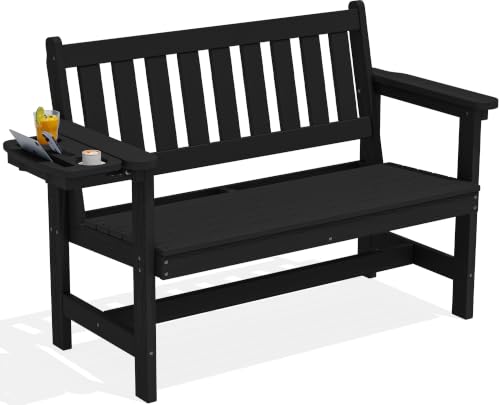
Classic slatted seating with a back and armrests, usually in wood or metal. Ideal for paths, flower borders, and quiet corners where the bench itself becomes a visual feature.
Patio Bench
A clean-lined bench that matches dining or lounge collections. Best used around tables, along patio edges, or as part of a coordinated outdoor room.
Porch Bench
Often deeper and more upright, designed for sheltered entries. Works well with cushions and a small side table for morning coffee or package drop-off.
Storage Bench
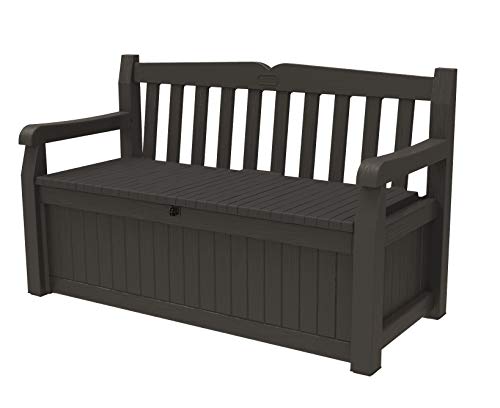
Includes a lift-up seat or enclosed compartment for cushions, tools, or garden gloves. A practical choice for small patios where every piece must earn its footprint.
Backless Bench
Low-profile and easy to tuck under a table or against a wall. Useful as pull-up seating at dining tables and as flexible overflow seating during gatherings.
Convertible Bench
Transforms between seating and a table surface. A smart fit for balconies and multi-use courtyards where flexibility matters more than a fixed layout. See the convertible bench option for this category.
Bench Materials Compared: Durability, Care, and Climate Fit
Material choice is the single biggest factor in long-term satisfaction. The right material depends on your climate, how much maintenance you are willing to do, and how exposed the bench will be.
| Material |
Market Tier |
Best For |
Care Notes |
| Teak |
premium |
Year-round outdoor exposure, coastal climates |
Natural oils resist moisture; occasional cleaning and periodic sealing maintain color |
| Cedar |
mid-range |
Garden settings, covered patios |
Naturally rot-resistant; reapply a protective finish every season or two |
| Powder-Coated Aluminum |
mid-range |
Modern patios, humid climates |
Rust-proof finish; wipe down and check fasteners seasonally |
| Wrought Iron / Steel |
mid-range |
Traditional porches, sheltered entries |
Heavy-duty construction; touch up coating if chips appear |
| HDPE / Recycled Plastic |
entry-level |
All-weather use, low-maintenance households |
UV-stable and weather-resistant; soap and water is usually enough |
| Concrete / Stone |
premium |
Formal gardens, permanent installations |
Extremely durable; avoid harsh cleaners, reseal periodically if finished |
| Wicker / Rattan |
mid-range |
Covered patios, sunrooms, casual lounging |
Keep out of prolonged direct rain; brush clean and store cushions |
If your bench will sit fully exposed to sun, rain, and freeze-thaw cycles, prioritize teak, powder-coated aluminum, or HDPE. If it lives under a porch roof or pergola, wood and wicker become far more practical. For a deeper comparison of wood and metal care routines, our wood furniture care guide and metal versus aluminum guide cover the maintenance side in detail.
How to Choose the Right Bench Size
Seat count is a useful starting point, but clearance is what makes a bench comfortable in practice. Use the table below to estimate the bench length you need, then confirm the surrounding space.
| Seating Capacity |
Typical Bench Length |
Recommended Clearance |
| 2 seats |
~48 inches |
36 inches of walkway on the open side |
| 3 seats |
~60 inches |
36 inches of walkway; 30 inches in front of the seat |
| 4 seats |
~72 inches |
At least 36 inches on paths; 30–36 inches in front |
| Backless / dining pull-up |
~48–60 inches |
Matches the table length; allow legroom on both sides |
Measure the intended wall or path before you shop, then mark the footprint on the ground with painter's tape. This quick step prevents the most common mistake: buying a bench that technically fits but leaves no room to walk past it. On balconies and small patios, a backless bench or a compact two-seat model preserves circulation while still adding seating. Our measurement guide walks through the full process for planning an outdoor layout.
Placement Strategies That Make a Bench Feel Intentional
A bench earns its place when it has a reason to be where it is. These placement patterns work across most yards and patios:
- Destination seating: Place the bench at the end of a path or facing a garden view, water feature, or fire pit. The walk to the bench becomes part of the experience.
- Perimeter seating: Run the bench along a patio edge or low wall to add seating without crowding the center of the space. Pair it with an outdoor coffee table with storage for a complete conversation zone.
- Porch and entry seating: A bench beside the front door gives guests a natural waiting spot and provides a place to set down bags. A console table nearby keeps small items organized.
- Shade pairing: Position a bench under a pergola or umbrella so it stays usable during the hottest part of the day.
- Dining overflow: A backless bench along one side of a dining table increases seat count and tucks away neatly when not in use.
If your bench is part of a larger seating arrangement around a fire, our fire pit seating guide explains how to balance bench and chair placement so the circle stays open and comfortable. For small spaces, the small patio layout guide covers ways to combine benches with compact tables and planters without creating clutter.
Comfort Details: Cushions, Back Support, and Ergonomics
Comfort is where entry-level and mid-range benches start to separate. Entry-level models often use thinner slats and simpler joinery, while mid-range benches typically add contoured seats, smoother armrests, and better fastener quality. Premium and luxury tiers tend to include deeper seats, refined joinery, and finishes that hold up longer under exposure.
Cushions make a meaningful difference for long sits. Look for solution-dyed acrylic or olefin fabric and quick-dry foam, and choose a cushion with ties or a non-slip base so it stays in place. Our outdoor cushion guide explains fabric grades and fill types in more detail. For benches paired with dining tables, standard chair-height cushions usually work; for deeper lounge benches, a thicker seat pad is more comfortable.
Back support matters too. Benches with a slight recline are more comfortable for reading and conversation, while upright backs suit porches and entries where people sit briefly. If the bench will host older guests, check that the seat height is easy to rise from; around 17 to 18 inches is a comfortable standard.
Weatherproofing and Seasonal Care
No outdoor bench is maintenance-free, but the right routine keeps any material in good condition. A simple seasonal checklist covers most situations:
- Clean before storing or covering: Dirt and moisture trapped under a cover accelerate wear. Wipe down the frame and let it dry fully first.
- Refresh protective finishes: Reapply sealant to wood and touch up powder coating on metal where needed.
- Tighten hardware: Seasonal temperature swings loosen fasteners over time; a quick tighten prevents wobble.
- Store cushions indoors: Cushions last far longer when kept out of rain and direct sun when not in use.
- Use a breathable cover: A fitted, ventilated cover prevents condensation while blocking debris. Our weatherproofing guide and patio furniture cover guide go deeper on fabric and fit.
In colder climates, lightweight benches should move to a shed or garage for winter. Heavier concrete and wrought iron benches can stay in place with a cover, but check for water pooling on the seat and clear it after storms. The winter storage guide covers the full off-season routine.
Buying Factors Checklist
Before finalizing a bench, run through these decision points. They catch most mismatches between the bench and the space it will live in.
- Climate exposure: Fully exposed, partially covered, or sheltered? This narrows the material list immediately.
- Primary use: Long lounging, dining overflow, entry seating, or decorative focal point.
- Seat count and clearance: Confirm both against the measured footprint and walkway width.
- Weight and assembly: Heavy benches stay put in wind but are harder to move; flat-pack models need assembly and occasional re-tightening.
- Comfort extras: Armrests, back angle, cushion compatibility, and seat height for the people who will use it most.
- Style coordination: Match the bench frame to existing furniture and architecture. Our patio styles guide helps align material and color choices.
If you are furnishing a new outdoor space from scratch, start with a broader plan using our patio essentials checklist, then add a bench where it fills a genuine gap rather than duplicating seating you already have.
Ready to Compare Outdoor Benches?
Browse the recommended outdoor benches below, compare materials and tiers side by side, and find the model that fits your space and climate.
View Recommended Benches
Frequently Asked Questions
What is the best material for an outdoor bench?
The best material depends on your climate and maintenance preference. Teak and cedar offer natural weather resistance, powder-coated aluminum and high-grade steel deliver low-maintenance durability, and HDPE or recycled plastic provides an all-weather option that never needs sealing. Wrought iron offers traditional character for sheltered porches.
How long should an outdoor bench be?
A two-seat bench typically measures around 48 inches, a three-seat bench around 60 inches, and a four-seat bench around 72 inches. Allow roughly 24 inches of seat width per person, then verify that the bench leaves at least 36 inches of walkway clearance on paths and 30 inches in front of seating areas.
Do outdoor benches need cushions?
Cushions are optional but improve comfort during long sits. Choose solution-dyed acrylic or olefin fabric with quick-dry foam, and pick a cushion that ties down or uses a non-slip base so it stays put in wind. Store cushions when not in use to extend their lifespan.
Where should I place an outdoor bench?
Place benches where they serve a purpose: facing a garden view, beside a fire pit, along a porch wall, under a shade structure, or at the end of a path as a destination. Leave at least 36 inches of clearance on walkways and 30 inches in front of the seat for comfortable legroom and passage.
How do I protect an outdoor bench in winter?
Clean and dry the bench, apply a fresh coat of sealant to wood, tighten hardware, and cover it with a breathable, fitted cover. Move cushions and removable parts indoors. In severe climates, store lightweight benches in a shed or garage to prevent wind damage and frost-related wear.
Last updated: November 2026. Product availability and specifications can change; verify details with the retailer before purchasing.