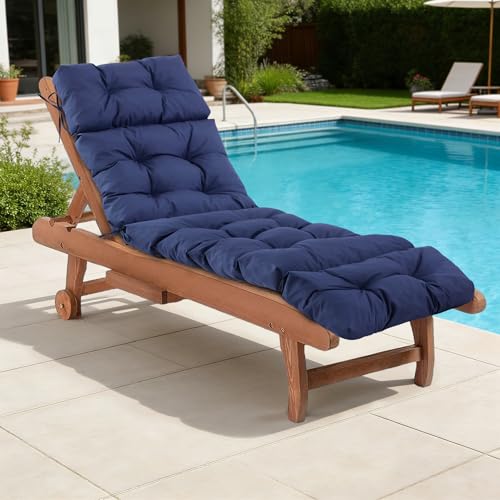
Outdoor Chaise Lounge Chair Cushions on Sale: The Complete Buying Guide
Your chaise lounge frame is built to last, but the cushion is what makes it genuinely comfortable. This guide walks you through fit, fabric, foam density, care, and the tier differences that matter when you replace or upgrade your outdoor lounger cushions.
Start the Buying GuideWhy this guide matters: Replacing chaise lounge cushions is one of the simplest ways to refresh a patio without replacing the entire frame. A well-chosen cushion set restores comfort, improves the look of your outdoor space, and protects the lounger from daily wear. The challenge is matching the cushion to your specific frame and climate — and that is exactly what we break down below.
Why Replace Your Chaise Lounge Cushions?
Outdoor cushions take a beating. Sun exposure fades fabric, rain and humidity break down foam, and daily use compresses the filling until it no longer supports your back properly. Replacing the cushions is far more efficient than replacing a sturdy aluminum or wood frame that still has years of service left in it.
A fresh cushion set also gives you design flexibility. You can shift the entire color story of your patio by choosing a new fabric tone, or you can lean into a classic neutral that works with everything. If you are coordinating across a wider seating area, our guide to outdoor chair cushions covers how to keep the palette consistent across different furniture pieces.
Comfort is the other major factor. Modern cushion foams are engineered to resist flattening, and a mid-range cushion with a denser core will feel noticeably better than a thin entry-level pad. If you have been sitting on a compressed cushion for several seasons, the upgrade is immediately noticeable the first time you lie back.
Key Factors When Choosing Chaise Lounge Cushions
Before browsing listings, understand the four variables that determine whether a cushion will actually work on your lounger: dimensions, fabric, foam, and attachment method.
1. Measure Your Frame First
Cushion sizing is the most common source of disappointment. A cushion that is two inches too long will buckle at the hinge, and one that is too narrow will slide around every time you sit down. Measure the backrest length, the seat length, and the width of your chaise frame. Then add a small allowance — typically two to three inches on each side — so the cushion drapes slightly over the edges rather than pulling tight.
Standard chaise cushions frequently appear in lengths around 72, 74, and 80 inches, with widths between 20 and 26 inches. These are general reference points, not universal standards, so always verify the listed dimensions against your own frame. If your lounger has a curved or adjustable back, look for a cushion with a flexible hinge seam that can accommodate the bend.
If you are also refreshing the seating around your lounger, the sizing principles in our outdoor chair seat cushions guide apply the same way — measure the actual seat, not the product name.
2. Fabric Matters More Than Anything Else
The fabric determines how long the cushion looks good and how much maintenance it demands. Solution-dyed acrylic is the gold standard for outdoor use: the color is locked into the fiber itself, so it resists fading far better than surface-dyed fabrics. High-density polyester blends are a strong mid-range option and handle moisture well when paired with a water-repellent backing. Olefin is durable and quick-drying but can feel rougher against the skin.
Entry-level polyester cushions are the most common choice for casual seasonal use. They are perfectly serviceable, but they need more frequent cleaning and will show sun fade sooner. If your chaise sits in full afternoon sun all summer, stepping up to a higher fabric tier pays off over multiple seasons.
3. Foam Density and Thickness
Foam is where comfort lives. A thin, low-density pad feels fine for a few weeks and then compresses into a flat layer. A denser foam core — often a polyurethane or high-resilience foam — holds its shape and distributes weight more evenly across the back and legs.
Thickness is a trade-off. A three-inch cushion is plush but may lift you higher than expected on a low frame. A two-inch cushion keeps a lower profile and is easier to store. Mid-range cushions typically land in the two-to-three-inch range with a denser core than entry-level options, which is the sweet spot for most residential chaise lounges.
4. Attachment and Anti-Slip Features
Chaise cushions that slide forward every time you recline are a small but constant annoyance. Look for tie straps, elastic bands, or a non-slip underside. Some cushions use a contoured shape that hugs the frame, while others rely on a rear pocket or hook-and-loop strip. The right attachment method depends on your frame design, so check whether your lounger has a back rail, side rails, or an open frame before choosing.
Cushion Tiers Compared
Use this table to understand how cushion categories differ in construction and intended use. The descriptors reflect relative market positioning, not absolute figures.
| Tier | Best For | Fabric & Foam | Durability Profile |
|---|---|---|---|
| Entry-level / Starter tier | Seasonal use, covered patios, occasional lounging | Standard polyester shell, lower-density foam core | Light to moderate; benefits from cover or indoor storage |
| Mid-range / Balanced tier | Everyday residential use, mixed sun exposure | Solution-dyed acrylic or blended polyester, medium-density foam | Solid multi-season performance with routine care |
| Premium / High-end tier | Full-sun patios, frequent use, design-focused setups | High-grade acrylic, dense high-resilience foam, reinforced seams | Strong fade and moisture resistance; long service life |
| Luxury / Flagship tier | Hospitality-style outdoor spaces, year-round exposure | Performance fabric with advanced coatings, premium foam core | Excellent; engineered for sustained outdoor conditions |
Reading the Tier System
Mid-range cushions usually offer the most sensible balance for a typical home patio: they use better foam and fabric than entry-level models without the specialized construction of top-tier pieces. If your chaise lives under a pergola or awning, an entry-level cushion can perform well when paired with consistent care.
How to Get the Fit Right
Fit is not just about length and width. The shape of your chaise hinge, the curve of the backrest, and the thickness of the frame all affect how a cushion settles. Here is a practical sequence for getting it right the first time.
- Measure the flat seat length from the front edge to the hinge point.
- Measure the backrest length from the hinge to the top rail.
- Measure the width at the widest point of the seat, not the armrests.
- Note the hinge type — flat, curved, or adjustable — and check whether the cushion lists a compatible hinge design.
- Add allowance so the cushion edges drape slightly rather than pulling tight across the frame.
If your measurements land between two listed sizes, choose the size that matches your seat length more closely and accept a small overhang at the back. A slightly long cushion is easier to live with than one that leaves the top of the frame exposed.
For loungers with wide frames, a single wide cushion may fit better than two narrow panels. Conversely, if your chaise has a pronounced center hinge, a two-piece cushion design can reduce bunching at the fold.
Choosing Fabric for Your Climate
Climate drives fabric choice more than aesthetic preference. In humid coastal regions, quick-drying olefin and treated polyester reduce the risk of mildew. In dry, sun-intensive climates, solution-dyed acrylic is the most reliable defense against UV fade. In areas with frequent summer thunderstorms, a water-repellent finish and a drain-friendly foam core matter more than thickness.
If your patio receives heavy rain, consider a cushion with a breathable mesh underside or a removable cover. Trapped moisture is the primary cause of cushion odor and foam breakdown, so airflow matters as much as water resistance.
Color also plays a practical role. Darker tones hide minor stains, while light neutrals show dirt sooner but stay cooler in direct sun. Mid-tone earth shades tend to be the most forgiving across both concerns.
Care and Maintenance That Extends Cushion Life
Even a premium cushion will deteriorate quickly without basic care. The routine is straightforward and takes only a few minutes per season.
- Brush off debris weekly to prevent dirt from working into the fabric weave.
- Clean with mild soap and lukewarm water, using a soft brush on stubborn spots.
- Rinse thoroughly so no soap residue remains to attract dirt.
- Air dry on an incline so water drains away from the foam core rather than pooling inside it.
- Store or cover during off-season months to protect against prolonged moisture and UV exposure.
Avoid pressure washing, which can distort foam and weaken seams. Avoid harsh bleach on colored fabrics unless the manufacturer explicitly recommends it, since it can strip color and break down fibers over time.
If you are refreshing multiple seating pieces at once, the care routines in our outdoor chair cushions clearance guide follow the same principles and can help you build a consistent maintenance schedule across your patio.
Pre-Purchase Checklist
- Measured seat length, backrest length, and width of your chaise frame
- Confirmed the hinge type and whether the cushion is compatible
- Checked fabric composition for UV and moisture resistance
- Verified foam density or thickness description
- Confirmed attachment method (ties, straps, or non-slip base)
- Reviewed care instructions and whether the cover is removable
- Checked return policy in case the fit is not right
Common Mistakes to Avoid
Most cushion disappointments trace back to a small number of avoidable errors. The first is buying by product name rather than measured dimensions — "standard chaise cushion" is not a universal size. The second is prioritizing thickness over foam density; a thick cushion with low-density foam will flatten faster than a thinner cushion with a denser core.
The third is ignoring the hinge. A cushion designed for a flat chaise will bunch awkwardly on an adjustable frame. The fourth is underestimating sun exposure. A cushion placed in full afternoon sun needs a higher fabric tier than one under a covered pergola. Finally, many buyers skip the attachment question entirely and then deal with sliding cushions all season.
If you are also considering a full lounger upgrade rather than a cushion replacement, our outdoor chaise lounge chair guide covers frame materials and layout considerations that pair well with a new cushion set.
Frequently Asked Questions
How do I know which cushion size fits my chaise lounge?
Measure your chaise lounge backrest, seat length, and width, then add two to three inches of allowance on each side. Standard chaise cushions often come in 72-inch, 74-inch, or 80-inch lengths and widths between 20 and 26 inches. Always compare the listed dimensions against your frame rather than relying on the product name alone.
What fabric is best for outdoor chaise lounge cushions?
Solution-dyed acrylic and high-density polyester blends are the most reliable choices for outdoor use. They resist fading, mildew, and moisture while staying soft to the touch. Olefin is a solid mid-tier option, while entry-level polyester needs more frequent care and offers less UV resistance.
Can I leave outdoor chaise cushions outside all season?
Most weather-resistant cushions can stay out during the season, but they last longer when protected from heavy rain and direct sun. Use a cover during storms, bring them inside during off-season months, and allow them to dry fully after exposure to moisture to prevent mildew.
How do I clean outdoor chaise lounge cushions?
Brush off loose debris, then wash with mild soap and lukewarm water using a soft brush. Rinse thoroughly and air dry on an incline so water drains away from the foam core. Avoid harsh bleach on colored fabrics unless the manufacturer specifically recommends it.
Ready to Upgrade Your Chaise Lounge?
You now have the framework to choose a cushion that fits correctly, suits your climate, and holds up across seasons. Browse the recommended options below to compare fabrics, sizes, and construction details side by side.
View Recommended Cushions