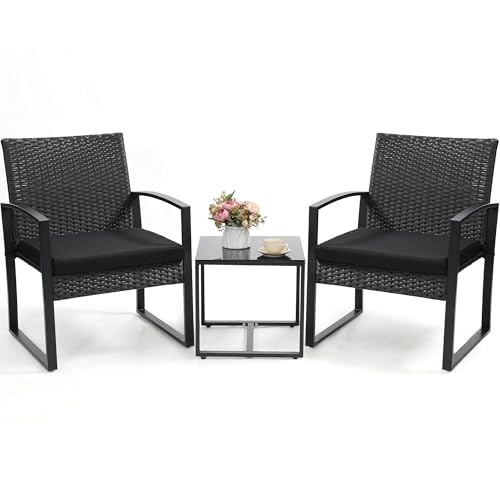
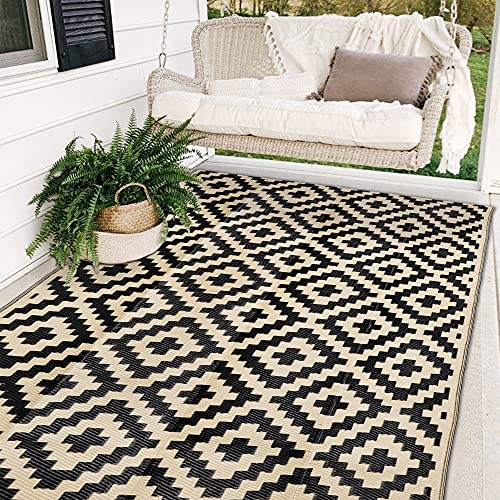
Outdoor Furniture Cleaner: The Complete Guide
From wicker to wrought iron, wood to weatherproof cushions — discover the right cleaner, technique, and tools to keep your patio furniture looking brand new.
SHOP TOP CLEANERSChoosing the right outdoor furniture cleaner can feel overwhelming with so many formulas on the market. But the secret is simple: match the cleaner to the material. Whether you're tackling mildew on cushions, rust on metal, or grime on teak, the right product saves time and extends the life of your pieces. Below, we break down the best cleaners for every type of patio furniture, plus step-by-step maintenance tips.
Best Cleaner by Material
🧺 Wicker & Rattan
Use a gentle all-purpose outdoor cleaner or a mix of mild dish soap and warm water. Avoid harsh chemicals that can dry and crack natural fibers. For stubborn dirt, a soft-bristle brush works wonders.
🪵 Wood (Teak, Cedar, Pine)
Wood-specific oxygen bleach cleaners remove gray patina without damaging the grain. For routine cleaning, use a wood-friendly soap and a sponge. Always follow with a sealant or oil to protect against moisture.
🔩 Metal (Aluminum, Steel, Iron)
Look for metal-safe degreasers or a solution of vinegar and water. For rust spots, use a rust remover or fine steel wool, then apply a protective wax or clear coat to prevent future oxidation.
🛋️ Cushions & Fabrics
Specialized fabric and vinyl cleaners lift stains while protecting color. For machine-washable covers, use a gentle detergent. Always check the care label before using any liquid cleaner.
Step-by-Step Cleaning Routine
Pro tip: Always test any cleaner on a small, hidden area before applying to the entire piece. This prevents discoloration or damage.
- Clear the area – Remove cushions, pillows, and any accessories. Sweep or vacuum loose debris.
- Choose your cleaner – Based on the material guide above, select the appropriate formula.
- Apply gently – Use a soft sponge or microfiber cloth. For textured surfaces, a soft-bristle brush helps reach crevices.
- Let it sit – Follow the product’s recommended dwell time (usually 5–10 minutes) to break down dirt and mildew.
- Rinse thoroughly – Use a garden hose or clean water and a sponge. Ensure no residue remains.
- Dry completely – Air-dry in a shaded area. For cushions, flip occasionally to ensure both sides dry.
- Protect & maintain – Apply a protective spray or wax suitable for the material to prolong cleanliness.
Why the Right Cleaner Matters
Using the wrong outdoor furniture cleaner can fade colors, weaken fibers, or strip protective coatings. For example, bleach-based cleaners can damage powder-coated metal, while abrasive scrubbers can scratch glass tabletops. Investing in a specialized cleaner not only preserves the aesthetic but also maintains structural integrity — saving you money in the long run. Regular cleaning also prevents mold and mildew, which are common in humid climates.
If you're unsure about a product, check the manufacturer's recommendations. Many brands offer their own outdoor furniture care lines that are perfectly formulated for their materials.
Seasonal Cleaning Schedule
- Spring: Deep clean after winter storage. Inspect for damage, rust, or mildew.
- Summer: Wipe down weekly with a gentle spray cleaner to remove pollen, dust, and sunscreen residues.
- Fall: Clean and apply a protective layer (sealant, wax, or fabric guard) before cooler weather.
- Winter: If storing, ensure furniture is completely dry and covered to prevent moisture damage.
🔄 Eco-friendly alternative: Mix equal parts distilled white vinegar and water with a few drops of Castile soap. This natural solution works well on most surfaces and is safe for plants and pets. Always test first.
Looking for more maintenance wisdom? Visit our outdoor furniture care guide for deep cleaning schedules, or explore our material guide to choose durable pieces that are easier to maintain. For those considering new purchases, our brand comparison tool helps you pick low-maintenance options.