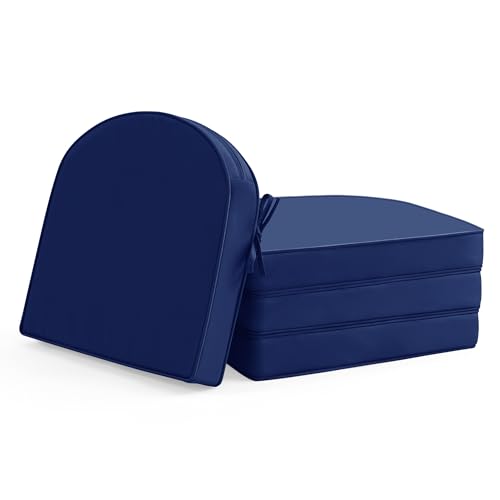
Seat Cushions for Wrought Iron Patio Chairs: The Complete Buying Guide
Transform hard, uncomfortable wrought iron seating into a plush outdoor retreat. Learn how to measure, choose materials, and pick the right cushions for lasting comfort and style.
START THE GUIDEWhy This Guide Matters: Wrought iron patio chairs are admired for their timeless look and rugged durability, but their rigid frames and metal surfaces can make extended lounging uncomfortable. The right seat cushion bridges that gap—adding ergonomic support, insulation from heat and cold, and a splash of personality. This guide walks you through every decision so you can buy with confidence.
Why Wrought Iron Chairs Need the Right Cushion
Wrought iron is a classic outdoor material prized for its strength and ornate detailing. Unlike wood or resin, however, iron conducts temperature quickly—baking in direct sun and turning cold in shoulder seasons. A well-fitted seat cushion provides a thermal barrier, distributes weight more evenly, and softens the hard metal seat pan. Because wrought iron frames come in many shapes—from curved bistro chairs to straight-backed dining seats—cushion selection must account for seat dimensions, back style, and how the chair is used.
Beyond comfort, cushions protect the chair's finish from scratches and reduce noise when chairs are moved across a patio. They also let you refresh the look of a wrought iron patio table and chairs set without replacing the furniture itself. For homeowners comparing material options, our guide to seat cushions for outdoor wicker furniture offers useful context on how cushion needs differ across frame types.
How to Measure Your Wrought Iron Chair for Cushions
Accurate measurements are the single most important step. A cushion that is too large will buckle or slide; one that is too small leaves uncomfortable edges exposed. Grab a tape measure and record the following:
- Seat width: Measure the widest point of the seat pan, front edge to front edge.
- Seat depth: Measure from the front edge of the seat to the backrest.
- Seat thickness preference: Note how much loft you want—2 inches for a subtle pad, 3–4 inches for substantial comfort.
- Back height (if buying a two-piece set): Measure from the seat surface to the top of the backrest you want covered.
- Taper and curves: Many wrought iron seats taper toward the back. Measure width at both the front and rear so you can choose a tapered cushion.
If your chair has arms, confirm that the cushion width fits between them. For chairs paired with a dining table, check clearance under the table apron to avoid cushions that are too thick. Our round patio table and chairs guide includes helpful notes on seating clearances that apply here as well.
Choosing the Right Fabric and Fill for Outdoor Use
Outdoor cushions face sun, rain, and mildew pressure, so material selection matters as much as fit. Here is how the main options compare:
- Solution-dyed acrylic: The gold standard for fade resistance and color retention. Premium-tier fabrics in this category hold up for many seasons with minimal care.
- Polyester blends: Mid-range options that resist water and dry quickly. Look for UV-stabilized treatments for longer life.
- Olefin: Naturally moisture-resistant and mildew-resistant, making it a solid choice for humid climates.
- Fill—foam vs. fiber: High-density polyurethane foam offers supportive, structured comfort; polyester fiber fill is softer and more compressible. Many top-tier cushions combine a foam core with a fiber wrap for the best of both.
- Quick-dry foam: Designed with open cells that let water drain, reducing drying time after rain.
Whichever fabric you choose, confirm that it is labeled for outdoor use and carries a UV-resistance rating. For care guidance that applies to cushions and frames alike, see our weatherproofing guide and rust removal tips—especially important if your wrought iron frame shows any oxidation.
Attachment Methods: Keeping Cushions in Place
Wrought iron chairs often have open slat or lattice seats, which means a cushion without a secure attachment can slide or blow away. Common solutions include:
- Tie straps: Fabric ties loop around the chair frame or back spindles. Simple and effective for most chairs.
- Elastic bands: Stretch around the seat and back for a snug hold; ideal for quick removal.
- Hook-and-loop strips: Adhesive-backed strips on both cushion and chair keep pads aligned.
- Non-slip backing: Textured undersides grip the metal surface without hardware.
- Corner pockets: Some cushions feature pockets that slip over chair corners for a tailored fit.
For curved or unusually shaped wrought iron seats, a two-piece cushion set (seat plus back) with adjustable straps usually provides the most reliable hold. If your chair is part of a larger dining arrangement, our guide to round outdoor table and chairs for 8 discusses how cushion thickness affects seating around large tables.
Matching Cushions to Your Patio Style
Cushions are the easiest way to shift the mood of an outdoor space without replacing furniture. Consider these approaches:
- Neutral solids: Sand, stone, and charcoal complement wrought iron's dark finish and never go out of style.
- Bold patterns: Stripes and geometric prints add energy to a plain metal frame and draw the eye.
- Textured weaves: Subtle texture adds visual warmth while hiding minor wear.
- Coordinated sets: Matching seat and back cushions create a cohesive look; mixing solids with a patterned accent pillow adds depth.
Think about your broader palette—greenery, hardscaping, and table finish—before committing. For a fuller design framework, explore our patio styles section and our tips on outdoor rugs to ground the seating area visually.
Cushion Tiers at a Glance
Use this comparison to align expectations with the tier that fits your needs. Tiers describe relative market positioning, not any specific figure.
| Tier | Typical Materials | Best For | Durability Outlook |
|---|---|---|---|
| Entry-level | Polyester fabric, fiber fill | Occasional use, covered porches | 1–2 seasons with care |
| Mid-range | UV-treated polyester or olefin, foam core | Daily use, mixed sun exposure | 2–4 seasons |
| Premium | Solution-dyed acrylic, high-density foam | Full-sun patios, frequent entertaining | 4+ seasons with proper care |
| Luxury / commercial-grade | Performance acrylics, quick-dry foam, reinforced seams | Hospitality settings, year-round exposure | 5+ seasons with minimal upkeep |
Note that a mid-range cushion with high-grade foam can often outperform an entry-level cushion with a superior fabric cover, so weigh both components. "Good value for its tier" is the goal—not simply the highest tier available.
Care and Longevity Tips
- Shake out and rotate cushions weekly to prevent compression and fading in one spot.
- Clean with mild soap and water; avoid harsh detergents that strip UV treatments.
- Store cushions in a dry, ventilated space during off-season or heavy rain.
- Check straps and ties regularly for wear and replace them before they fail.
- Inspect the iron frame for chipped paint or rust and address it promptly—see our rust removal tips.
Common Mistakes to Avoid
- Buying before measuring: Always measure your specific chair—never assume standard sizing.
- Ignoring seat taper: A rectangular cushion on a tapered seat will overhang at the back.
- Skipping attachment hardware: Untethered cushions slide and blow away in wind.
- Choosing indoor fabric: Indoor upholstery fades and mildews quickly outdoors.
- Over-stuffing: Cushions that are too thick can make dining chairs awkward at the table.
Frequently Asked Questions
Can I use standard patio cushions on wrought iron chairs?
Yes, provided the dimensions match. Wrought iron chairs often have open seats, so prioritize cushions with tie straps or non-slip backing to keep them secure.
What thickness is best for wrought iron dining chairs?
Two to three inches is a practical balance for dining—enough comfort without raising you too high relative to the table. Lounge chairs can accommodate thicker cushions.
How do I stop cushions from sliding on metal seats?
Use tie straps, elastic bands, or hook-and-loop strips. A non-slip pad beneath the cushion also helps on smooth metal surfaces.
Are outdoor cushions safe to leave in the rain?
Many are water-resistant, not waterproof. Quick-dry foam and solution-dyed acrylic covers handle moisture best, but bringing cushions inside during heavy rain extends their life.
Ready to Upgrade Your Seating? Browse the recommended cushions below, curated for wrought iron patio chairs. Compare features, check availability, and choose the tier that matches your comfort needs and climate.