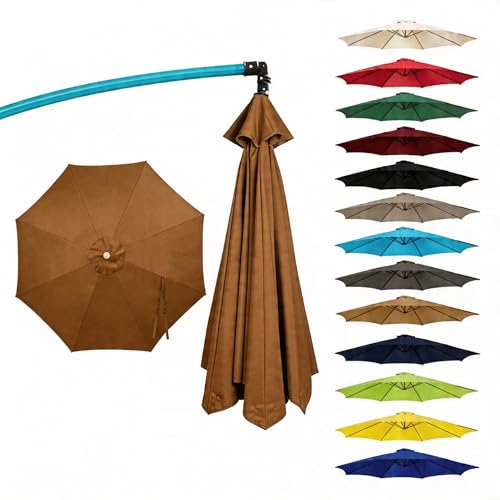
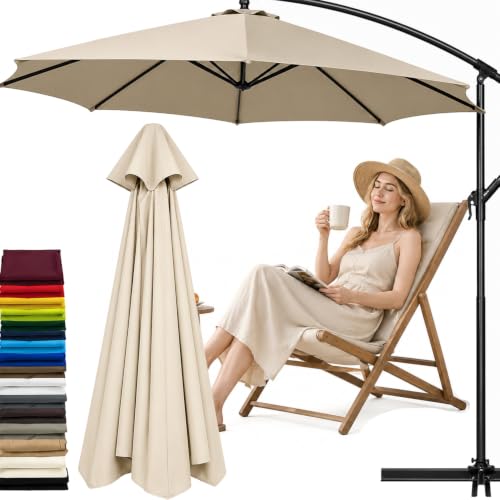
11 ft Cantilever Umbrella Replacement Canopy with Zipper
Everything you need to know before you refresh your offset umbrella shade — fabric grades, zipper types, fitment, and installation.
START THE GUIDEWhy this guide matters: A cantilever umbrella often outlives its canopy. When the fabric fades, tears, or the zipper fails, replacing just the canopy is the smartest route to a like-new shade solution. This guide walks you through the details that determine a successful replacement — from measuring your frame to choosing a zipper configuration that installs cleanly and lasts.
What an 11 ft Cantilever Replacement Canopy Actually Is
An 11 ft cantilever umbrella replacement canopy with zipper is a standalone fabric cover designed to fit an existing offset (cantilever) umbrella frame. The 11 ft measurement refers to the canopy's span, typically a square or slightly rectangular shape that provides generous shade coverage for a dining table, lounge set, or conversation area. The zipper is the defining feature: it allows the canopy to be opened along one or more seams so it can wrap around the cantilever arm and hub without dismantling the entire frame.
This matters because cantilever frames are structurally different from center-pole umbrellas. The arm extends over the seating area, and the canopy attaches at a central hub with ribs radiating outward. A zippered canopy lets you slide the fabric around that arm and close the seam afterward — a far simpler process than removing the arm itself. If you are still exploring the broader category, our 10 ft outdoor cantilever hanging patio umbrella overview provides useful context on how these frames are engineered.
Why Choose a Replacement Canopy Instead of a New Umbrella
Frames are the durable, structural part of a cantilever umbrella. High-grade aluminum and reinforced steel arms typically last many seasons, while canopy fabric takes the brunt of UV exposure, rain, wind, and debris. Replacing the canopy:
- Extends the life of a solid frame — a long-term investment that keeps working hardware out of landfill.
- Lets you upgrade fabric quality — you can move from an entry-level polyester to a premium solution-dyed acrylic for better fade resistance.
- Refreshes the look of your outdoor space — a new color or pattern can transform a patio without new furniture.
- Preserves fitment — a replacement designed for your frame avoids the guesswork of a whole new umbrella that may not align with your existing base and table.
If your current setup includes a table with an umbrella hole, a replacement canopy keeps that pairing intact. Our guide to a square metal patio table with umbrella hole explains how shade and table geometry work together.
Fabric Grades: Choosing the Right Tier
Canopy fabric is the single biggest factor in how long your replacement lasts and how well it holds color. Rather than shopping by price, think in tiers:
Entry-Level Tier
Standard polyester with a basic water-resistant coating. This tier is a reasonable choice for seasonal shade in mild climates or for a canopy that will be stored through winter. Expect some color fading after a couple of seasons of direct sun. It is a solid choice for the tier when the frame itself is an entry-level model.
Mid-Range Tier
Heavier polyester or a polyester-acrylic blend with improved UV stabilization and a reinforced zipper. This balanced tier is the most common replacement choice — it offers noticeably better fade resistance than entry-level fabric without the jump to premium materials. Many mid-range canopies include a double-stitched zipper channel that reduces seam stress.
Premium Tier
Solution-dyed acrylic or high-grade marine-grade fabric. The color is dyed into the fiber rather than applied as a surface treatment, so it resists fading far better under intense sun. Premium canopies often feature mold-resistant treatments and a heavier zipper with a metal slider. This is the top-tier choice for hot, sunny climates and for frames that are themselves high-end.
Luxury / Commercial-Grade Tier
Flagship fabrics engineered for hospitality and commercial use — very high UV resistance, mildew resistance, and reinforced stress points. If your cantilever umbrella is a premium model with a heavy-duty arm, a commercial-grade canopy matches that investment. For homeowners in extreme climates, this tier is efficient in the long run because replacement cycles are much longer.
The Zipper: Types, Placement, and Durability
The zipper is where most replacement canopies succeed or fail. Here is what to look for:
Zipper Placement
Most zippered canopies open along a seam that runs from the outer edge toward the center hub. Some designs use two zippers on opposite seams, which can make installation easier on larger 11 ft spans. Confirm the placement matches your frame's rib layout before ordering.
Zipper Type
- Standard nylon coil zipper — common on entry-level and mid-range canopies. Lightweight and flexible, but can stiffen over time in UV exposure.
- Reinforced nylon zipper with UV-stabilized teeth — the balanced tier choice; smoother operation and better longevity.
- Metal or heavy-duty molded zipper — found on premium and commercial-grade canopies; resists jamming and handles tension across a large 11 ft canopy.
Zipper Pull and Slider
A quality slider with a large pull tab is easier to operate, especially when the canopy is taut. Look for sliders that lock at the end of the seam so the canopy stays closed under wind load. A double-stitched zipper tape is a good sign of reinforced construction.
Measuring for a Proper Fit
A replacement canopy must match your frame's rib count and dimensions. Before ordering, measure and record:
- Canopy span — the edge-to-edge width across the fabric when fully open (should be close to 11 ft for this category).
- Rib count — typically 8 ribs on many 11 ft cantilever frames; count carefully.
- Hub-to-edge distance — the length from the center hub to the canopy edge along a rib.
- Attachment style — whether the canopy ties, clips, or sleeves onto the ribs, and whether it uses a top cap or finial.
- Zipper seam length — the distance the zipper must span from edge to hub.
If you are pairing this canopy with a new table, our measurement guidance in the 60 inch round patio table with umbrella hole article covers how shade diameter relates to table size.
Installation: Step by Step
Installing a zippered replacement canopy is a manageable DIY task with two people. A step-by-step approach:
- Lower and secure the arm. Crank the cantilever arm down to its lowest position and lock the tilt mechanism. Remove the old canopy, noting how it attaches at the hub and rib ends.
- Lay the new canopy out. Spread the replacement canopy on a clean, flat surface with the zipper facing up. Identify the hub opening and rib sleeves or ties.
- Open the zipper fully. Unzip the seam so the canopy can wrap around the cantilever arm.
- Position the hub. Slip the center opening over the hub and align the top cap or finial attachment point.
- Thread the ribs. Feed each rib into its sleeve or attach the ties, working around the frame evenly rather than finishing one side first.
- Close the zipper. With the canopy loosely in place, zip the seam closed. Do not force it — if the zipper binds, check that the ribs are fully seated.
- Tension and test. Crank the arm up slowly and check that the fabric sits evenly. Adjust ties or sleeves as needed, then test the tilt and rotation functions.
If your frame is part of a larger seating arrangement, keep in mind that shade coverage interacts with layout. Our outdoor furniture set with swivel chairs guide discusses positioning shade over movable seating.
Care and Maintenance for Longevity
A replacement canopy is a worthwhile investment; protect it with simple habits:
- Clean regularly with mild soap and water; avoid abrasive brushes that damage the fabric coating.
- Close the umbrella during high winds and heavy storms to reduce stress on seams and the zipper.
- Lubricate the zipper occasionally with a silicone or wax-based zipper lubricant — never oil-based products that attract dirt.
- Store seasonally in a breathable cover to prevent mildew during off-season months.
- Inspect stress points at the hub and rib ends each season for early signs of wear.
Proper care extends canopy life significantly. For broader outdoor upkeep, our outdoor furniture resource hub covers maintenance across seating, tables, and shade.
Common Mistakes to Avoid
- Ordering by span alone — rib count and hub style matter just as much as the 11 ft measurement.
- Ignoring zipper placement — a zipper on the wrong seam will not close properly around the cantilever arm.
- Forcing a tight zipper — binding usually means a rib is not fully seated or the canopy is misaligned.
- Choosing fabric below your climate's demands — a hot, sunny region justifies stepping up a tier for fade resistance.
- Skipping tension adjustment — an unevenly tensioned canopy wears faster and looks sloppy.
Matching Your Canopy to the Rest of Your Patio
A replacement canopy is also a design opportunity. Neutral tones like sand, charcoal, and stone blend with most furniture, while bold colors can anchor a seating zone. If your patio includes a dining setup, consider how the canopy color relates to your chairs and table — our 9 piece outdoor dining set with swivel chairs guide shows how shade and seating work together in larger layouts. For smaller spaces, the outdoor lounge furniture for small spaces article offers space-planning ideas where an 11 ft cantilever canopy can define the whole zone.
Frequently Asked Questions
Can I use an 11 ft replacement canopy on a 10 ft frame?
No. Canopy span, rib count, and hub dimensions must match the frame. A canopy that is too large will sag and stress the zipper; one that is too small will not tension correctly. Always measure your frame before ordering.
How do I know if my canopy needs a zipper?
If your cantilever frame has a solid arm extending over the seating area, the canopy must open along a seam to wrap around that arm. Zippered canopies are the standard solution for offset frames.
How long should a replacement canopy last?
Entry-level fabric typically lasts a couple of seasons in direct sun; mid-range fabric lasts longer with proper care; premium and commercial-grade fabrics can last many seasons. Climate, storage habits, and cleaning frequency all affect lifespan.
Can I install a zippered canopy alone?
It is possible but not recommended. Two people make it far easier to align the hub and thread ribs without stressing the zipper. A second set of hands also helps with tensioning.
What if the zipper jams after installation?
First check that all ribs are fully seated and the canopy is centered. If the zipper still binds, apply a silicone-based zipper lubricant and work the slider gently. Persistent jamming may indicate a misaligned seam or a damaged slider.
Does a replacement canopy include the frame?
No — a replacement canopy is fabric only. It is designed to fit an existing cantilever frame, which is why accurate measurement and rib-count verification are essential.
Are zippered canopies weather-resistant?
Most replacement canopies include water-resistant coatings, and premium tiers add mold and mildew resistance. However, no fabric canopy is designed to stay open in high winds or storms — closing the umbrella during severe weather protects both fabric and frame.