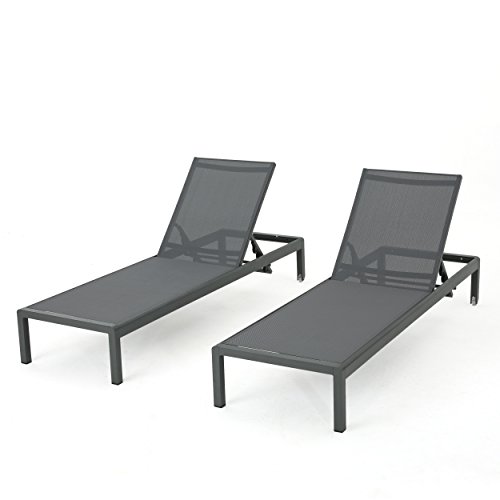
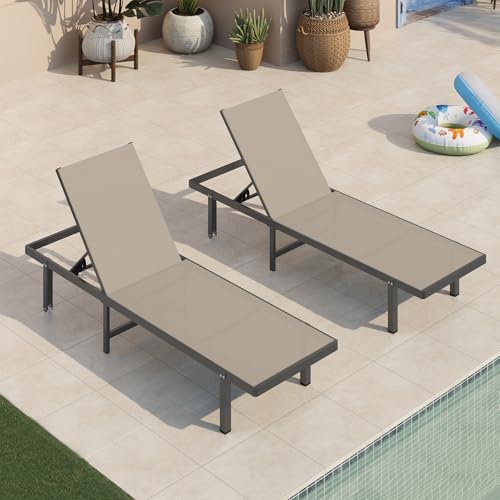
Quick answer: An aluminum outdoor chaise lounge with wheels combines a rust-resistant, lightweight frame with the mobility to follow the sun across your deck or poolside. The best choice for most homeowners is a powder-coated aluminum frame with a multi-position backrest, replaceable fabric or quick-dry cushions, and smooth-rolling casters. This guide explains exactly what to compare before you commit.
Aluminum Outdoor Chaise Lounge with Wheels: The Complete Buying Guide
If you have already decided that a chaise lounge belongs on your patio, the aluminum frame with wheels is usually the most practical configuration for real outdoor living. It is light enough for one person to move, it resists the rust that plagues steel frames, and the wheels turn a heavy piece of furniture into something you can reposition in seconds. But not all aluminum loungers are created equal. Frame gauge, coating quality, wheel type, reclining mechanism, and cushion fabric all vary widely between entry-level and top-tier models. This guide walks through each decision so you can buy with confidence.
Why Choose an Aluminum Frame Over Other Materials
Aluminum has become the default frame material for premium outdoor seating for three reasons: it does not rust, it is significantly lighter than steel or cast iron, and it holds a powder-coated finish extremely well. A powder-coated aluminum frame will not corrode from chlorine splash at a pool, salt air near the coast, or ordinary rain. That durability makes it a sound long-term investment compared with wooden frames that need annual sealing or steel frames that eventually show rust at welds and joints. If you are still comparing frame materials across the category, our overview of aluminum outdoor furniture explains the broader construction differences.
The trade-off is weight distribution. Aluminum loungers are light, which is excellent for mobility but means wind can catch an empty lounger. Many quality models include a locking caster or a slightly heavier base section to compensate. When shopping, test whether the frame feels solid rather than tinny, and check the wall thickness of the tubing if the specification is listed.
How the Wheels Change Everyday Use
Wheels are the feature that most affects how often you actually use the lounger. A chaise without wheels tends to stay in one spot because dragging it damages both the frame and the patio surface. With wheels, you can rotate the lounger toward the afternoon sun, clear it before a party, or store it against the wall in winter. The key details to compare are wheel size, wheel material, and whether the casters lock.
- Wheel size: Larger wheels roll over deck board gaps and patio seams without catching. Small wheels work fine on smooth concrete but struggle on stone or composite decking.
- Wheel material: Polyurethane and rubber wheels are quiet and protect delicate surfaces. Hard plastic wheels are durable but can scuff pavers.
- Locking casters: A locking mechanism keeps the lounger stationary on sloped patios and prevents it from rolling in gusty weather.
- Wheel placement: Rear-mounted wheels with a front lift handle are the most common and easiest to maneuver. Four-wheel designs are more stable but harder to pivot.
Reclining Mechanisms: What to Expect at Each Tier
The reclining system is where tier differences are most obvious. Rather than comparing numbers, compare the mechanism itself. Here is how the market generally breaks down:
Entry-Level
Three to four fixed backrest positions, often adjusted with a simple notched bar. Functional and stable, but the adjustment can feel stiff and the positions are limited.
Mid-Range
Five or more backrest positions with a smoother ratchet or lift-and-lock system. Some models add independent leg adjustment so you can sit upright with legs raised.
Premium / Top-Tier
Fully adjustable backrest with a lay-flat position, gas-strut or friction-hinge mechanisms that move silently, and reinforced pivot points designed for daily use.
A lay-flat position is worth prioritizing if you plan to tan or nap. If you mainly read and socialize, a five-position backrest with a slight leg incline is usually sufficient. Check that the hinge hardware is stainless steel or coated aluminum, since exposed steel hinges are the first component to show corrosion on otherwise rust-proof frames.
Fabric and Cushion Options Compared
Aluminum chaise lounges come in two main upholstery formats: a tensioned fabric sling or a separate cushion set. Each has distinct advantages, and the right choice depends on how you use the lounger and how much maintenance you want.
| Feature | Fabric Sling | Removable Cushion |
|---|---|---|
| Comfort | Firm, supportive, breathable | Softer, plush feel |
| Drying time | Very fast; water passes through | Depends on foam; quick-dry foam is essential |
| Maintenance | Wipe clean; replaceable sling | Removable covers are easier to wash |
| Storage | Can stay outdoors year-round | Cushions should be stored or covered |
| Best for | Poolside, coastal, high-use areas | Covered patios, lounging and reading |
Whatever format you choose, look for solution-dyed acrylic or olefin fabrics rated for outdoor use. These resist fading and mildew far better than standard polyester. If you want a deeper comparison of cushion construction, our guide to all-weather patio furniture covers the foam densities and cover weaves that hold up best.
Size, Weight, and Space Planning
A standard chaise lounge occupies roughly 26 to 30 inches in width and 76 to 80 inches in length when flat. Before ordering, measure the path from your storage area to the patio, including gate widths and doorways, because a lounger that cannot pass through a side gate defeats the purpose of having wheels. Also consider the turning radius: a lounger with rear wheels needs a few feet of clearance to pivot, while four-wheel models can rotate in place more tightly.
Weight capacity matters too. Most quality aluminum loungers are rated to support a generous adult weight, but the rating depends on the frame gauge and the number of cross supports. If the lounger will be shared among family members or guests, prioritize a model with a reinforced center rail and a higher stated capacity.
Weather Resistance and Long-Term Care
Powder-coated aluminum is the most forgiving outdoor frame finish available, but it is not indestructible. Chips in the coating expose bare aluminum, which forms a white oxidation layer rather than rust but still looks worn. Touch up chips promptly with a matching touch-up paint. Clean the frame with mild soap and water; avoid abrasive pads and harsh chemical cleaners that dull the coating.
Cushions and slings need more attention. Remove cushions before heavy rain or store them in a ventilated deck box. If your lounger uses a fabric sling, hose it down periodically to remove pollen and bird droppings, and check the tension cords or attachment rails for wear. For a seasonal maintenance routine that covers the whole patio, see our weatherproofing guide.
Matching the Lounger to Your Outdoor Space
An aluminum chaise lounge with wheels fits naturally beside a pool, on a sun-facing deck, or as part of a larger conversation arrangement. If your patio is small, a single lounger paired with a side table and a compact umbrella is enough. If you are building a full outdoor room, consider how the lounger relates to your dining and shade setup. Our guides to outdoor rugs and patio umbrellas explain how to anchor and shade a lounging zone without cluttering it.
For homeowners furnishing a new space from scratch, it helps to plan the lounging area alongside seating and dining pieces so the proportions work together. A lightweight aluminum chaise is easy to move out of the way when you host, which makes it a flexible addition to almost any layout.
Common Questions Answered
Is aluminum a good material for an outdoor chaise lounge?
Yes. Aluminum is lightweight, naturally rust-resistant, and holds a powder-coated finish well. That combination makes it ideal for poolside, coastal, and rainy climates where steel frames would corrode.
What should I look for in the wheels of a chaise lounge?
Prioritize wheels large enough to roll over deck board gaps, polyurethane or rubber wheel material for quiet operation, and locking casters if your patio has a slope or is exposed to wind.
How many reclining positions does a typical chaise lounge have?
Entry-level models usually offer three to four fixed positions. Mid-range models offer five or more with smoother mechanisms, and premium models add a lay-flat position and independent leg adjustment.
Can I leave an aluminum chaise lounge outside all year?
The frame can generally stay outdoors year-round. Cushions and slings should be removed, covered, or stored during heavy rain and off-season months to preserve fabric and foam life.
Choosing an aluminum outdoor chaise lounge with wheels comes down to matching the frame quality, reclining mechanism, and upholstery format to how you actually use your patio. Get those three right, and the lounger will remain a comfortable, easy-to-live-with part of your outdoor space for many seasons.