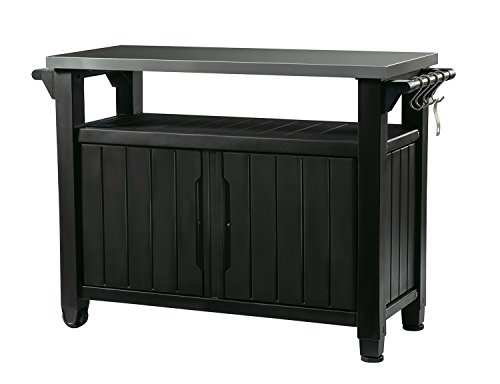
BBQ Tables: The Complete Buyer's Guide
Everything you need to choose the right grill prep table, BBQ cart, or outdoor cooking station — compared by build quality, material, tier, and real-world use.
Why a dedicated BBQ table matters: Grilling is a workflow, not a single action. You need a landing zone for raw ingredients, a safe spot for hot trays, and quick access to tools. A purpose-built BBQ table turns a cluttered corner of the patio into a controlled, organized cooking station — and it keeps you from balancing plates on the grill lid while the coals are still hot.
What Is a BBQ Table, Exactly?
A BBQ table is an outdoor work surface designed to sit beside, around, or in front of a grill. Unlike a generic patio side table, a BBQ table is built with heat tolerance, wipe-clean hygiene, and tool access in mind. The category spans a wide range of formats, from a simple stainless prep bench to a full outdoor cooking island with wheels, drawers, and bottle storage.
Buyers usually land on this page for one of three reasons: they have just bought a new grill and need a landing surface, they are upgrading a cluttered setup, or they are planning an outdoor kitchen zone and want to know which format to anchor it around. Each situation points to a different type of table, so it helps to understand the main formats before comparing materials.
The Main Types of BBQ Tables
BBQ Prep Table
A fixed work surface, usually stainless steel, powder-coated steel, or wood, with a lower shelf or hooks for tools. It is the simplest way to add usable workspace beside a grill and works well against a wall or fence.
Best for: small patios, gas grills, and buyers who want a stable no-fuss surface.
BBQ Cart
A wheeled unit with a table top plus enclosed or open storage, often sized for a gas bottle or charcoal bag. Carts are ideal when the grill position changes or when you need to roll everything back under cover.
Best for: renters, multi-zone patios, and charcoal users who move their setup.
Bar-Height BBQ Table
A raised table that doubles as a prep surface and a social counter where guests can stand or sit with drinks while you cook. These pair naturally with matching bar stools and often include a lower storage shelf.
Best for: hosts, covered patios, and grill stations that double as gathering points.
Outdoor Kitchen Station
A larger modular unit combining prep space, storage, and sometimes a built-in grill or sink. These are the top-tier of the category and usually require assembly, a level base, and a plan for weather protection.
Best for: permanent outdoor kitchens and buyers making a long-term investment.
BBQ Tables Compared by Tier
Rather than track changing retail figures, the most useful way to compare BBQ tables is by market tier. Each tier reflects a different balance of material grade, frame stiffness, hardware quality, and lifespan. Use the table below to match the tier to how often you grill and how much exposure the table will face.
| Tier | Typical Build | Weather Resistance | Best For |
|---|---|---|---|
| Entry-level | Thin powder-coated steel, light frame, open shelf | Cover required; rust risk at joints | Occasional weekend grilling on a covered patio |
| Mid-range | Thicker powder-coated steel or lower-grade stainless, reinforced legs | Good with a cover; handles seasonal weather | Regular grillers who want a dependable station |
| Premium | Full stainless steel top, welded frame, sealed drawers | Excellent; suitable for year-round exposure with a cover | Frequent hosts and exposed patios |
| Luxury / professional-grade | Heavy-gauge stainless, modular cabinetry, commercial hardware | Commercial-grade finish, designed for permanent outdoor kitchens | Built-in outdoor cooking zones and serious enthusiasts |
Material Guide: What the Top Should Be Made Of
Stainless Steel
The benchmark for BBQ tables. Stainless steel resists heat, grease, and rust, and it wipes clean in seconds — which matters when raw poultry or marinade has just landed on it. Look for a brushed finish that hides scratches and a gauge thick enough that the top does not flex under a heavy tray. Premium and luxury tiers typically use heavier-gauge stainless with welded seams instead of rivets.
Powder-Coated Steel
The standard for entry-level and mid-range frames. It is rigid and holds paint well, but any chip or scratch becomes a rust point. Powder-coated tables are a solid choice for covered patios and buyers who will use a cover consistently. Check that the top is rated for heat contact before placing a hot tray directly on it.
Wood and Composite
These tops bring warmth and a natural look that suits rustic and farmhouse patios. The trade-off is maintenance: wood needs sealing and should sit further from open flame, while composite is lower-maintenance but can still stain from grease. Wood-topped BBQ tables work best as prep surfaces with a separate hot-tray zone, not as a direct grill landing pad.
Tile and Stone
Heavy, stable, and heat tolerant, tile and stone tops are common on built-in outdoor kitchen stations. They are excellent for permanent setups but require a reinforced frame and should not be moved frequently. If you want a fixed cooking island, this is the top-tier surface choice.
Features That Actually Matter
- Heat-rated top: confirm the top can take a hot tray or a cast-iron skillet without warping or scorching.
- Lower shelf: essential for charcoal bags, propane accessories, and bulky trays you need out of the way.
- Tool hooks and side rails: keeps tongs, brushes, and gloves within arm's reach instead of on the grill lid.
- Locking casters: on any cart, locking wheels are the difference between a stable work surface and a rolling hazard.
- Bottle storage: an enclosed or strapped gas bottle compartment keeps the tank upright and out of the way.
- Drainage or sloped top: on stainless tables, a slight slope or lip stops liquid pooling and running onto the floor.
- Cover compatibility: a fitted cover is the single biggest factor in how long a metal BBQ table lasts.
Placement and Safety
BBQ tables are outdoor cooking equipment, so placement rules are stricter than for ordinary patio furniture. Keep the table at least 10 feet from the house wall, fences, and any overhead combustible material. Leave a clear walkway of around 36 inches between the table and other structures so you can move with hot trays safely. Never place a BBQ table under a wooden pergola roof or an awning unless the structure is explicitly rated for cooking heat.
On a balcony or apartment terrace, check the building's rules first. Many buildings restrict open-flame cooking, and a bar-height table with stools may still need to respect railing height and neighbor sightlines. If your outdoor space is tight, a compact prep table or a folding BBQ cart will fit better than a full bar-height counter.
How a BBQ Table Fits Into a Larger Patio Plan
A BBQ table rarely lives alone. Most buyers pair it with seating and shade, and the right combination depends on whether you are building a cooking corner or a full entertaining zone. If your grill station doubles as a social counter, a bar-height outdoor dining table and chairs gives you a consistent height line with the prep surface. For compact spaces, a bar-height outdoor table and chairs set keeps the footprint tight while still adding seating.
If you want to add warmth to the cooking area, a bar-height patio table with fire pit extends the usable season into cooler evenings and creates a natural gathering point near the grill. For larger families or groups of six or more, a bar-height outdoor dining set for 6 is a practical anchor for the dining side of the patio. Buyers who want a single integrated piece sometimes prefer a bar-height patio dining set with fire pit, which combines seating, dining, and ambiance in one layout.
Shade is the other common pairing. A bar-height outdoor table and chairs with umbrella hole lets you add shade without a separate freestanding base. If storage is a priority, a bar-height outdoor dining table with fire pit often includes a lower shelf that works as a secondary prep zone. And if your cooking zone is also your seating zone, a bar-height patio set with swivel chairs keeps guests facing the grill.
For very tight patios, a bar-height outdoor table and 4 chairs setup leaves room for a separate prep table while keeping seating compact. Larger decks can accommodate a bar-height outdoor dining table for 8, which pairs well with a long stainless prep bench along the grill wall.
Common Buying Mistakes to Avoid
- Ignoring the hot-tray problem: a beautiful wood top can be ruined by one hot sheet pan. Confirm the heat rating before you buy.
- Buying a cart without locking casters: a rolling prep surface is a safety issue when you are carrying hot food.
- Skipping the cover: most rust complaints trace back to uncovered exposure, not the metal itself.
- Choosing size before layout: measure the walkway between grill, table, and door before committing to a large station.
- Overbuilding for occasional use: an entry-level prep table is often enough for weekend grillers on a covered patio.
Frequently Asked Questions
What is a BBQ table and why do I need one?
A BBQ table is a dedicated outdoor prep and cooking surface placed beside or around your grill. It gives you a stable, heat-resistant area for raw ingredients, utensils, trays, and finished food, which reduces trips back to the kitchen and keeps grilling organized.
What is the difference between a BBQ prep table and a BBQ cart?
A BBQ prep table is primarily a stationary work surface, often with a stainless or tile top and a shelf or hooks below. A BBQ cart adds mobility, usually with wheels and enclosed storage for gas bottles or tools. Choose a prep table for a fixed grill station and a cart if you need to move your setup around the patio.
Which materials are best for a BBQ table?
Stainless steel offers the best heat and rust resistance and is easiest to sanitize. Powder-coated steel is a solid mid-range option with good durability. Solid wood and composite tops look warmer but need sealing and should sit further from direct flame. Tile and stone tops are heavy and stable but require a reinforced frame.
How much space do I need around a BBQ table?
Plan for at least 36 inches of clear walkway between the table and other structures, and keep the table at least 10 feet from the house wall and any overhead combustible material. If you also use bar-height seating, allow extra room for chair pull-out.
Can a BBQ table stay outside all year?
Stainless steel and powder-coated metal tables can stay outside year-round with a fitted cover. Wood and composite tops should be covered or stored during freezing and wet seasons. Always confirm the manufacturer's weather rating before leaving a table exposed.
Ready to build your grilling station?
Start with the surface you will actually use every weekend. A mid-range stainless prep table covers most buyers, while a cart or bar-height station suits hosts who want the cooking zone to double as a gathering space. Browse the recommended options below and match the tier to how you grill.