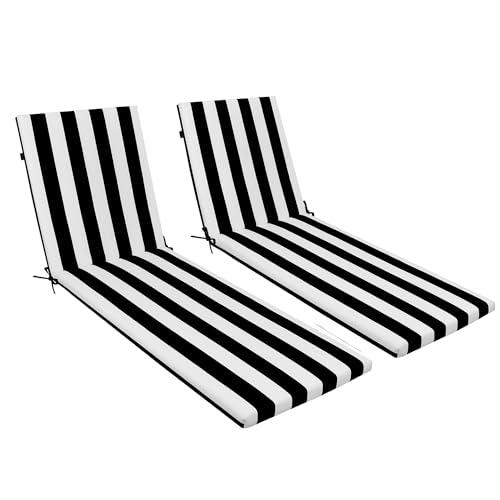
Black and White Stripe Chaise Lounge Cushion: The Complete Buyer's Guide
Everything you need to choose, fit, and care for a striped chaise cushion that transforms your outdoor lounger into a stylish, comfortable retreat.
Why this guide matters: A chaise lounge cushion is more than a decorative layer. It changes how long you can relax in comfort, how your patio reads visually, and how much maintenance your lounger demands each season. This guide walks you through fabric science, fit measurements, tier comparisons, and care routines so you can shop with clarity rather than guesswork.
Why a Black and White Stripe Cushion Deserves a Place on Your Lounger
The black and white stripe is one of the most versatile patterns in outdoor design. It pairs naturally with wood, wicker, metal, and resin frames, and it works in both modern and coastal settings. Unlike loud seasonal prints, a stripe reads as intentional and architectural. On a chaise lounge, the horizontal or vertical lines also create a visual lengthening effect that makes a slim lounger look more substantial.
From a practical standpoint, black and white stripes hide minor dust and pollen better than solid pale cushions, and they photograph well for anyone styling a patio for gatherings or rental listings. If you are building a coordinated outdoor scheme, the same pattern family extends across other pieces, such as black and white striped outdoor cushions for dining chairs and benches.
Understanding Chaise Lounge Cushion Construction
Before comparing patterns, it helps to understand what sits inside the cushion. A chaise cushion typically combines a fabric shell with a foam or fiber core, often in two sections to match the seat and backrest of a reclining lounger.
Fabric Shell Options
- Solution-dyed acrylic: The strongest choice for outdoor use. Color is engineered into the fiber, so UV exposure does not strip the dye from the surface. This is the fabric class you find in premium and high-end tier cushions.
- High-grade polyester blends: A solid mid-range option that resists moisture and holds prints well. Performance varies, so check for a UV-stabilized finish.
- Printed cotton or canvas blends: Common in entry-level cushions. Attractive but prone to fading and slower drying unless treated.
- Olefin: Lightweight, moisture-resistant, and a good fit for humid climates. It dries quickly and resists mildew growth.
Foam and Fiber Cores
- Quick-dry foam: Open-cell foam that allows water to pass through and drain. Ideal for uncovered patios.
- Standard polyurethane foam: Comfortable but slower to dry. Best for covered porches or with a waterproof cover.
- Polyester fiber fill: Soft and lightweight, often used in entry-level and decorative cushions. It compresses over time.
How to Measure Your Chaise Lounge for a Stripe Cushion
Fit is the most common reason a striped cushion looks wrong. A stripe that runs off the edge of the seat or bunches at the hinge draws the eye for the wrong reasons. Follow this sequence:
- Lay the chaise flat and measure the full seat length from the front edge to the backrest hinge.
- Measure the seat width at both the front and the widest point; use the larger figure.
- Measure the backrest height from the hinge to the top of the frame.
- Note the position of the hinge or fold point so the cushion's seam aligns with it.
- Compare your numbers against the cushion's flat dimensions, and allow a small tolerance for fabric relaxation.
If your lounger is a non-standard shape, look for cushions described as adjustable or universal-fit. Many shoppers also compare a chaise cushion against related outdoor pad options, such as black and white outdoor chaise lounge cushions that come in slightly different proportions.
Stripe Orientation: Horizontal, Vertical, or Chevron
Stripe direction is a design decision, but it also affects how the cushion wears.
- Vertical stripes running the length of the lounger create a slimming, tailored look. They tend to show fewer creases along the seat.
- Horizontal stripes emphasize width and a resort-like feel. They work well on wide loungers but can highlight sagging if the foam is low quality.
- Chevron or diagonal stripes add energy and hide minor staining patterns effectively.
If you plan to match the cushion to a parasol, keep the stripe scale consistent. A fine pinstripe cushion next to a wide awning stripe can look mismatched, while a coordinated set, like a black and white striped cantilever umbrella, ties the space together.
Tier Comparison: Entry-Level, Mid-Range, and Premium Cushions
This table uses relative tier descriptors rather than absolute figures, so it stays useful regardless of market shifts.
| Tier | Typical Fabric | Comfort & Support | Best For |
|---|---|---|---|
| Entry-level / starter tier | Printed polyester or cotton blend | Standard foam or fiber fill; soft but compresses | Covered porches, occasional use, short seasons |
| Mid-range / balanced tier | UV-stabilized polyester or olefin | Denser foam with a moisture-resistant wrap | Everyday patios with some direct sun |
| Premium / high-end tier | Solution-dyed acrylic with quick-dry core | High-resilience foam, reinforced seams, tiedown straps | Full-sun decks, coastal homes, long-term use |
| Luxury / flagship tier | Designer acrylic blends, stain-repellent finish | Sculpted foam with lumbar support and piping | Resort-style setups and design-led patios |
A useful rule of thumb: mid-tier cushions usually offer noticeably better color retention and shape recovery than entry-level ones, while premium tiers add lifespan and easier maintenance rather than dramatic comfort gains. If your lounger sits in full sun year-round, the jump to solution-dyed acrylic is a worthwhile investment.
Weather Resistance and Climate Considerations
Climate determines which cushion characteristics matter most.
- Hot, dry climates: Prioritize UV resistance and fade-proof dye. Quick-dry cores matter less here, but breathable fabric still helps.
- Humid or coastal climates: Choose mildew-resistant fabric and open-cell foam. Salt air can degrade metal zippers, so look for plastic or coated hardware.
- Rainy regions: A cushion with drainage channels and removable covers is essential. Pair it with a storage box or cover during wet weeks.
- Cold winters: Store the cushion indoors during freezing months to prevent foam cracking.
For broader guidance on hot-weather furniture choices, see our notes on outdoor furniture for hot climates.
Styling a Striped Chaise Cushion
A striped cushion is a strong pattern, so styling works best when you balance rather than compete.
- Keep the frame neutral. Black, white, natural wood, or gray resin frames let the stripe lead.
- Layer with solids. A single solid throw pillow or a plain towel breaks up the pattern without visual noise.
- Coordinate, don't clone. Match the stripe scale to nearby accessories, like a striped patio chair cushion set, rather than duplicating the exact pattern everywhere.
- Use an outdoor rug as an anchor. A neutral rug grounds the space while the stripe provides energy.
For a cohesive look across seating, consider pairing the lounger with black and white striped outdoor furniture or a striped outdoor bench cushion on a nearby bench.
Care and Maintenance Routine
Proper care keeps the black and white contrast crisp and extends the cushion's usable life.
- Weekly: Brush off dust and pollen with a soft brush. Flip the cushion if the lounger allows.
- Monthly: Wipe with mild soap and water, rinse, and stand upright to drain.
- Seasonally: Deep clean according to the care label, then allow full drying in the shade before use.
- Off-season: Store in a breathable bag or a dry, ventilated space. Avoid sealed plastic, which traps moisture.
Spot-treat stains quickly, and never use bleach on colored stripes unless the label explicitly permits it. For more surface-specific advice, see our striped outdoor furniture cushion care notes.
Common Mistakes to Avoid
- Buying by look alone. A striking stripe can hide low-quality foam that flattens within a season.
- Ignoring the hinge. A cushion without a matching fold point will bunch and slide.
- Skipping tie-downs. Straps or ties keep the cushion in place on windy decks.
- Overlooking drying time. Thick standard foam can stay damp for days after rain, encouraging mildew.
- Mismatched stripe scale. A fine stripe cushion next to a wide-stripe umbrella can look accidental rather than designed.
Ready to Upgrade Your Lounger?
Browse our curated selection of black and white stripe chaise lounge cushions and compare tiers, fabric types, and fit options side by side.
Explore Cushion OptionsFrequently Asked Questions
What fabric is best for a black and white stripe chaise lounge cushion?
Solution-dyed acrylic and high-grade polyester blends are the strongest choices for outdoor striped cushions. These fabrics hold color against UV exposure, resist fading, and dry quickly after rain. For humid climates, look for breathable covers with quick-dry foam cores to prevent moisture buildup.
How do I measure my chaise lounge for a striped cushion?
Measure the seat length, seat width, and backrest height of your lounger, then note the hinge or fold point if the chair reclines. Compare those numbers against the cushion's flat dimensions and allow for a small tolerance. A cushion that matches the hinge position will sit flat and avoid bunching when you adjust the backrest.
Do black and white striped cushions fade in direct sun?
Entry-level printed fabrics can fade noticeably after a few seasons of direct sun. Mid-range and premium solution-dyed fabrics resist UV degradation far better because the pigment runs through the fiber rather than sitting on the surface. Rotating the cushion and using a cover during off-season storage extends color life.
How should I clean a striped outdoor chaise cushion?
Brush off loose debris, then wipe with mild soap and water using a soft cloth. Rinse thoroughly and stand the cushion upright to drain and dry. Avoid harsh bleach on colored stripes, and never machine-dry a foam-core cushion, as heat can distort the filling.
Final Checklist Before You Buy
- Confirm the cushion dimensions against your lounger's seat and backrest.
- Check the fabric type and whether it is UV-stabilized.
- Verify the foam core is suited to your climate (quick-dry for uncovered patios).
- Look for tie-down straps or a non-slip backing.
- Confirm the stripe direction and scale match your existing umbrella or rug.
- Read the care label for washing and drying instructions.
- Review the return policy before ordering a made-to-fit cushion.
For related pattern coordination, you may also want to review our guide to black and white outdoor cushions for chairs, which covers scale and color matching across seating groups.