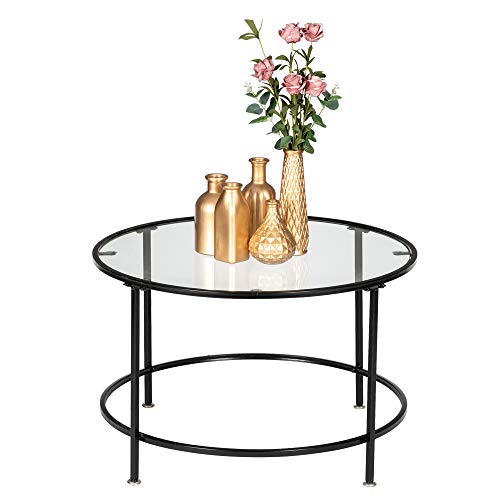
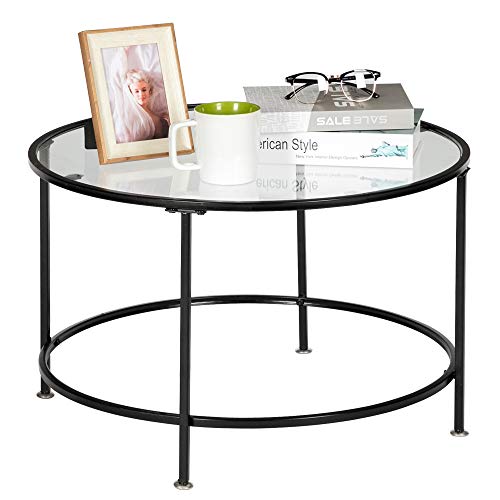
A black wrought iron coffee table with glass top is one of the most enduring choices for patios, sunrooms, and covered porches. The combination of dark, hand-forged metal and a transparent glass surface creates a piece that feels both substantial and airy — an unusual pairing that suits nearly every outdoor design language. If you are researching this category before making a purchase, this guide walks through every decision point so you can buy with confidence.
Wrought iron has been used in garden furniture for centuries because of its density and malleability. A well-built table, when properly maintained, can become a long-term investment that outlasts several generations of softer furniture. Glass, meanwhile, brings reflective brightness, resists staining, and makes the tabletop easy to wipe clean after rain or a backyard gathering. Together, these materials deliver a look that is difficult to replicate with resin or aluminum.
Quick orientation: If you are still mapping out your full seating area, start with the broader black outdoor furniture collection to see how a coffee table fits into a complete conversation set before narrowing down to this specific piece.
Why Choose a Black Wrought Iron Coffee Table with Glass Top?
The appeal of this furniture category comes down to three practical strengths: visual lightness, weather performance, and design versatility. A glass top reflects the sky and surrounding greenery, which keeps a dark metal frame from feeling heavy in a compact space. Wrought iron itself is denser than cast aluminum, so the table resists tipping in wind and holds its position on a deck without constant adjustment.
Visual Lightness in Small Spaces
Glass surfaces visually expand a patio. On a narrow balcony or a tight courtyard, a solid wood or opaque stone top can make the seating zone feel boxed in. A transparent surface lets the eye pass through to the floor beneath, preserving a sense of openness. This is why designers often pair glass-topped tables with open-frame metal legs — the negative space does as much work as the furniture itself.
Weather and Wear Performance
Powder-coated wrought iron handles sun, humidity, and occasional rain far better than untreated steel. The glass top does not absorb spills, does not harbor mildew the way porous stone can, and wipes clean in seconds. For households that entertain frequently, that low-maintenance surface is a genuine advantage.
Style Versatility
Black is the most forgiving finish in outdoor design. It pairs naturally with the neutral palettes common in modern patio layouts and with the warmer, textured materials found in rustic farmhouse patios. Whether your surrounding furniture uses grey, white, or boldly colored cushions, a black iron frame anchors the grouping without competing for attention.
How to Evaluate Construction Quality
Two tables that look identical in a product photo can differ dramatically in build quality. Because wrought iron is a premium material relative to stamped steel or hollow aluminum, the construction details matter even more. Use the following checklist when comparing options.
Frame Joints and Welds
Inspect how the legs connect to the apron and how decorative scrollwork is attached. Smooth, fully penetrated welds that have been ground and coated are a sign of careful manufacturing. Rough, spattered welds or visible gaps are a warning sign — these become entry points for moisture and are where rust begins.
Metal Thickness and Weight
Wrought iron furniture should feel notably heavy for its size. Thin-gauge tubular construction can mimic the look of solid iron but will flex and dent under normal use. A premium table typically uses solid or thick-walled stock throughout the frame, while entry-level versions may use thinner sections in decorative elements.
Glass Type and Edge Finish
Tempered glass is the standard for outdoor tables because it is far more resistant to impact and shatters into small, safer fragments if broken. Look for clearly stated tempered specification. The edge should be polished or beveled — raw cut edges are a chip hazard and a sign of cost-cutting in the finishing stage.
Finish System
A quality powder coat is applied electrostatically and cured at high heat, producing a uniform, chip-resistant shell. Multiple coats over a properly prepared surface are preferable to a single thin layer. Where the coating is thin or uneven, corrosion protection is compromised.
| Tier | Frame Construction | Glass Specification | Best For |
|---|---|---|---|
| Entry-level | Thinner tubular sections, simpler joints | Tempered, basic polished edge | Covered porches, seasonal use |
| Mid-range | Mixed solid and tubular stock, reinforced welds | Tempered, beveled edge | Year-round patios with moderate exposure |
| Premium | Solid wrought iron throughout, hand-finished joints | Thicker tempered glass, precision edge | Full outdoor exposure, heavy daily use |
| Luxury | Hand-forged decorative elements, artisan detailing | Thick tempered glass, custom shapes | Design-led spaces, long-term investment |
Matching the Table to Your Seating Arrangement
A coffee table is only as good as the conversation zone around it. Before selecting dimensions, map out your existing or planned seating. The general rule is that the table should sit roughly 14 to 18 inches from the sofa or chairs — close enough to reach a drink, far enough to move comfortably.
With Sofas and Sectionals
A rectangular glass-top table pairs naturally with a sofa-facing layout. If your seating includes a convertible piece such as a black sectional couch with pull-out bed, choose a table with a slightly lower profile so sightlines stay open when the bed is deployed.
With Individual Chairs
For groupings built from separate lounge chairs or rocking chairs, a round or oval table works better than a long rectangle because it gives every seat equal reach. Owners of matching pairs often find that a compact round table centers the arrangement cleanly — for example, a pair of black rocking chairs flanking a small glass-top table creates a classic porch vignette.
With Dining Zones Nearby
If the coffee table sits in the same open-plan outdoor area as a dining setup, avoid visual clutter by repeating the black finish. A black outdoor dining table on the same deck creates a cohesive material story, and the eye reads the two zones as one intentional space.
Glass Top Care and Maintenance
Glass is low-maintenance but not maintenance-free. A few simple habits keep the surface clear and the frame protected.
- Wipe after rain: Water spots etch mineral deposits over time. A quick pass with a microfiber cloth after wet weather prevents build-up.
- Avoid abrasive cleaners: Glass-safe sprays and warm soapy water are sufficient. Scouring pads can scratch the surface and dull the reflective quality that makes glass desirable.
- Inspect the frame coating annually: Touch up any chips or scratches in the powder coat with a matching black metal paint to prevent rust from starting at the damage point.
- Use coasters for hot items: Tempered glass is heat-resistant but not heat-proof. Direct contact with a hot dish can stress the surface.
For a broader seasonal routine that covers metal furniture of all types, our weatherproofing guide outlines the steps to take before winter storage and again in spring.
Styling a Glass-Top Iron Table
The transparency of glass invites decoration in a way solid tops do not. Because the surface recedes visually, tabletop accessories become focal points. Keep arrangements low and grouped in threes for balance — a lantern, a small tray, and a plant or candle cluster is usually enough.
Beneath the table, a textured outdoor rug defines the conversation zone and softens the hard lines of the iron frame. Our outdoor rug selection guide covers materials that hold up under glass reflections and heavy foot traffic. If you prefer a coordinated look, the black wicker patio furniture collection shares the same dark finish language and layers well with iron pieces.
Design tip: Place a decorative tray with a matte finish on the glass to anchor small items visually. The contrast between matte and reflective surfaces adds depth without cluttering the tabletop.
Common Mistakes to Avoid
Most buyer regret in this category traces back to a handful of avoidable errors.
- Ignoring scale. A table that is too small for the sofa leaves an awkward gap; one that is too large crowds movement. Measure the seating footprint before ordering.
- Overlooking wind exposure. Glass tops catch wind. On a fully open, elevated deck, confirm the table has sufficient weight or consider a heavier frame variant.
- Skipping the tempered specification. Non-tempered glass has no place outdoors. Always verify.
- Neglecting the finish warranty. A finish warranty tells you how much confidence the manufacturer has in its coating system. Read it carefully as part of the buying guides evaluation process.
- Forgetting seasonal protection. Even premium finishes benefit from a cover during prolonged harsh weather.
Frequently Asked Questions
Is wrought iron suitable for full outdoor exposure?
Yes, when the finish is intact. Powder-coated wrought iron is designed for exterior use. The critical factor is maintaining the coating — any chip or scratch should be touched up promptly so moisture cannot reach the bare metal.
Does a glass top make the table less stable?
Not when the glass is properly seated and secured. Tempered glass adds meaningful weight to the top, which actually improves stability. The frame's mass and joint quality are the primary determinants of stability, not the glass itself.
Can I leave the table outside in winter?
In mild climates, yes, with regular inspection. In regions with heavy snow or freeze-thaw cycles, cover the table or store it in a sheltered location. Glass can be stressed by accumulated weight and rapid temperature swings.
How do I remove rust spots if they appear?
Light surface rust can be removed with a fine abrasive pad, then treated with a rust converter and repainted with a matching black metal coating. Address spots early — small blemishes are easy to manage, while advanced corrosion is not.
What size table suits a typical patio sofa?
A table roughly two-thirds the length of the sofa is a reliable starting point. Leave at least 14 inches of clearance between the table edge and the sofa front for comfortable movement.
Final Buying Checklist
Before you complete your purchase, confirm each of the following:
- Frame material is described as wrought iron or solid metal — not hollow tube with a decorative wrap.
- Glass is explicitly specified as tempered.
- Edges are polished or beveled.
- Finish is powder-coated, with a stated warranty period.
- Dimensions fit your seating footprint with proper clearance.
- Assembly hardware is stainless or coated to resist corrosion.
- The seller offers a return window in case the scale is wrong for your space.
A black wrought iron coffee table with a glass top is a purchase that rewards careful selection. Choose the right construction tier for your exposure level, match the proportions to your seating, and commit to a light maintenance routine. Do those three things and the table will serve as the quiet anchor of your outdoor living space for many seasons.
Ready to Explore Your Options?
Browse hand-picked black wrought iron coffee tables with glass tops from trusted retailers.
View Details