Children's Outdoor Swing: Complete Buying Guide & Safety Tips
Everything parents need to know about choosing, installing, and maintaining a safe and joyful outdoor swing for children. From toddler bucket swings to sturdy tree swings — make the right decision with confidence.
START YOUR RESEARCHWhy This Guide Matters: A children's outdoor swing is more than just backyard entertainment — it's an investment in physical activity, imaginative play, and family bonding. But with dozens of swing types, materials, and safety considerations, choosing the right one can feel overwhelming. This comprehensive guide walks you through every decision point, from age-appropriate seat styles to installation requirements, so you can purchase with confidence and create a safe play space your children will love for years.
Why a Children's Outdoor Swing Belongs in Every Backyard
Outdoor swings offer far more than simple fun. Research consistently shows that swinging supports vestibular development, improves balance and coordination, and provides sensory input that helps children regulate their emotions. Beyond the developmental benefits, a swing in the backyard encourages outdoor play, reduces screen time, and creates a natural gathering point for family activities. Whether you're outfitting a first home or upgrading an established play area, a quality children's outdoor swing remains one of the most rewarding outdoor purchases you can make. If you're building a complete play area, consider pairing your swing with children's garden furniture and a children's picnic table to create a full outdoor destination for the whole family.
Types of Children's Outdoor Swings: Find the Right Fit
The best swing for your family depends on your child's age, available space, and installation preferences. Here's a breakdown of the most common options:
Bucket Swings (Toddler-Friendly)
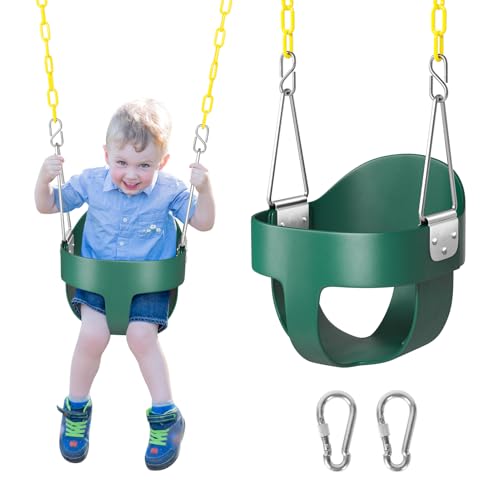
Designed for children aged 6 months to 3 years, bucket swings feature a full seat enclosure with leg holes that prevent slipping. They provide excellent back support and are the safest option for very young children. Look for high backs, wide bases, and harness-compatible designs. Many families graduate to a children's swing chair once toddlers outgrow the bucket seat.
Belt Swings (Classic & Versatile)
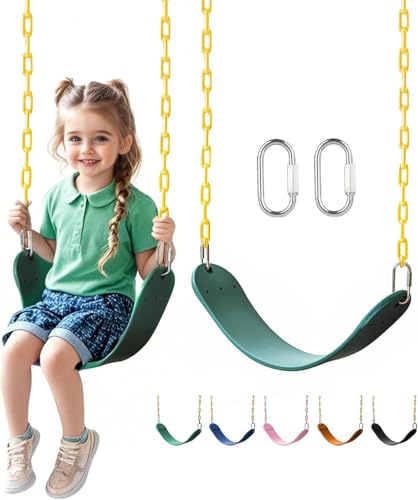
The traditional belt swing suits children aged 3 and up and remains the most popular choice for good reason. Flexible rubber or plastic belts accommodate growing children and support active swinging. Reinforced chains or ropes with rubber-coated grips protect small hands. Belt swings typically support up to 150 pounds, making them a durable choice for years of use.
Disc Swings (Active Play)
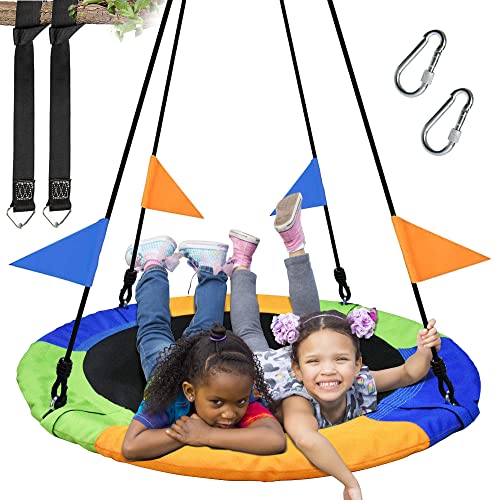
Disc swings encourage balance, coordination, and core strength as children learn to sit, stand, and spin. They're best suited for children aged 5 and older who have good sitting balance. Look for textured surfaces and sturdy rope attachments. Disc swings work well in both children's outdoor chairs setups and standalone installations.
Tree Swings (Natural & Timeless)
If you have a mature tree with a sturdy horizontal branch, a tree swing offers a classic, space-efficient solution. Wooden or rope tree swings blend beautifully into natural landscapes and require no separate frame. Ensure the branch is at least 8 inches in diameter and live — never attach swings to dead or rotting wood. A chair that swings style tree swing offers a comfortable, relaxed seating option that adults can enjoy too.
Swing Sets & Frames (Complete Play Systems)
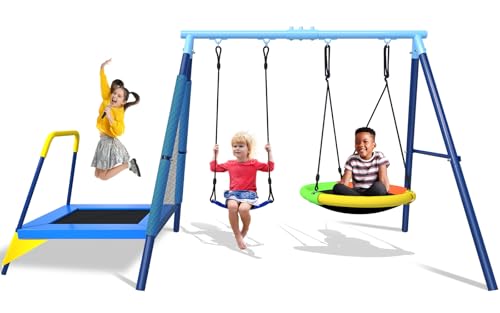
Freestanding swing sets accommodate multiple children and often include slides, climbing walls, and other play features. They're ideal for families with varied ages and require level ground and proper anchoring. When selecting a swing set, check that the frame is constructed from weather-resistant wood or powder-coated steel and that all hardware meets safety standards.
Quality Tiers: Choosing the Right Level for Your Family
Children's outdoor swings fall into distinct quality tiers. Understanding these tiers helps you match your purchase to your expected usage, climate, and long-term plans — without relying on pricing information.
| Tier | Best For | Key Characteristics |
|---|---|---|
| Starter Tier | Occasional use, temporary setups, young toddlers | Lightweight frames, basic rope or chain attachments, simple assembly, suitable for mild climates |
| Mid-Tier | Regular family use, growing children, varied weather | Reinforced hardware, weather-resistant finishes, adjustable heights, smoother swing motion |
| High-End Tier | Daily use, multiple children, long-term backyard investment | Heavy-duty construction, premium materials, rust-proof finishes, commercial-grade anchors, extended safety testing |
| Luxury / Commercial-Grade | Playgrounds, large families, multi-generational use | Professional-grade hardware, solid build, weather-resistant coating, engineered for intensive daily use and maximum safety margins |
As you move up tiers, you'll notice improvements in swing smoothness, hardware durability, and safety margins. A mid-tier model typically offers notably smoother motion and better weather resistance than a starter-tier swing, while a high-end tier delivers long-term reliability that makes it a worthwhile investment for families planning to stay in their home for years.
Safety Standards Every Parent Should Know
Safety is non-negotiable when it comes to children's play equipment. Before purchasing any children's outdoor swing, verify the following:
- Compliance with ASTM F1148 (home playground equipment) or equivalent regional safety standards
- Age-appropriate design — bucket seats for under-3s, belt or disc swings for older children
- Rounded edges and non-toxic, lead-free finishes on all surfaces
- Locking carabiners or closed S-hooks — never open hooks that can catch clothing
- Clear weight limits stated by the manufacturer and never exceeded
- At least 6 feet of clearance around the swing and 8 feet in front and behind the swing path
- Soft landing surface such as mulch, rubber tiles, or sand beneath the swing area
- Regular inspection of ropes, chains, and attachment points for wear
For families building a complete play area, safety extends beyond the swing itself. Ensure that adjacent furniture — such as children's outdoor table and chairs — is stable and free from sharp edges. If you're considering a wooden swing set, explore children's wooden picnic tables to complement the natural aesthetic while maintaining consistent safety standards.
Installation Guide: Set Up for Safety and Longevity
Proper installation is just as important as the swing itself. Follow these guidelines to ensure a secure, long-lasting setup:
Choosing the Location
Select a level area with adequate clearance from fences, walls, trees, and other structures. Avoid slopes, standing water, and areas with underground utilities. The swing should face away from direct sun during peak hours to prevent overheating of metal components and seats.
Anchoring the Frame
Freestanding swing sets require ground anchors or concrete footings, especially in windy areas. Follow the manufacturer's instructions precisely — improper anchoring is a leading cause of swing set tip-overs. For tree swings, use a sturdy strap or rope rated for the swing's weight capacity, and inspect the branch seasonally.
Height and Clearance
The swing seat should hang 24 to 36 inches above the ground when at rest, depending on the child's height and the swing type. Ensure the swing path is clear of obstacles and that the seat doesn't contact the frame or ground during use. For disc swings, allow extra clearance for spinning motion.
Surface Preparation
Install a shock-absorbing surface beneath the swing — wood mulch, rubber mulch, sand, or rubber tiles. The surface should extend at least 6 feet in all directions from the swing's support structure. Avoid concrete, asphalt, or packed earth directly beneath the swing area.
Ready to Choose the Perfect Swing?
Explore our recommended children's outdoor swings below, hand-picked for safety, durability, and family-friendly design. Every product is evaluated against the criteria outlined in this guide.
VIEW RECOMMENDATIONSMaintenance Tips for Years of Safe Play
A well-maintained swing lasts longer and stays safer. Build these habits into your seasonal routine:
- Inspect all hardware — bolts, chains, ropes, and carabiners — before each play season and after storms
- Check for rust, fraying, or cracking on metal and rope components; replace worn parts immediately
- Clean plastic and metal seats with mild soap and water; avoid harsh chemicals that degrade UV coatings
- Tighten bolts and connection points periodically — vibration from swinging can loosen hardware over time
- Apply wood sealant annually to wooden swing sets and tree swing components
- Store removable seats and ropes indoors during extreme weather or off-season months
- Replenish shock-absorbing surface material as needed to maintain safe depth
Families with multiple play structures should establish a consistent inspection schedule for all equipment. If you also maintain children's garden chairs or other outdoor furniture for kids, include them in your seasonal safety checks to keep the entire play area in top condition.
Frequently Asked Questions
What age is appropriate for a children's outdoor swing?
Most outdoor swings are designed for children aged 3 and up, though toddler-specific bucket swings can accommodate children as young as 6 months with proper supervision. Always check the manufacturer's age recommendations and weight limits before use.
How do I install a children's outdoor swing safely?
Installation depends on the swing type. Tree swings require a sturdy horizontal branch at least 8 inches in diameter. Swing sets should be anchored to level ground with proper footings. Always maintain at least 6 feet of clearance around the swing and 8 feet in front and behind the swing path.
What safety features should I look for in a children's swing?
Look for rounded edges, non-toxic finishes, sturdy hardware with locking carabiners, weather-resistant materials, and age-appropriate seat designs. Bucket seats with high backs are ideal for toddlers, while belt or disc swings suit older children. Ensure the swing meets ASTM or equivalent safety standards.
How much weight can a children's outdoor swing hold?
Weight capacity varies by model, but most children's swings support between 50 and 150 pounds. Always verify the manufacturer's specified weight limit and never exceed it. Heavy-duty and commercial-grade swings support higher weights for multiple children or adults.
What materials are best for children's outdoor swings?
Weather-resistant materials like treated wood, powder-coated steel, high-density polyethylene, and UV-resistant rope are ideal. Avoid materials that splinter, rust, or degrade quickly in sunlight. Premium materials offer better durability and long-term value.
Building a Complete Backyard Play Area
A swing is often the centerpiece of a child's outdoor space, but complementary pieces complete the experience. Consider adding a children's folding picnic table for snack time, a children's lounger for rest breaks, or a children's plastic outdoor table and chairs set for crafts and games. These additions create a versatile play environment that grows with your child and encourages extended outdoor time.
For families with toddlers transitioning between equipment, a children's wooden picnic table with umbrella offers shade and a dedicated dining spot that pairs naturally with any swing setup. And if you're comparing options across the broader outdoor furniture category, our comparison guide can help you evaluate features side by side.