Corner Couch That Turns Into a Bed: The Complete Guide
A corner couch that turns into a bed gives you seating by day and a guest bed by night. This guide covers convertible designs, materials, mechanisms, and what to check before you buy.
Explore Top PicksWhy a corner couch that turns into a bed? It solves two problems at once: it anchors your outdoor seating area with a comfortable L-shaped couch, and it converts into a sleeping surface when friends or family stay over. For patios, decks, and sunrooms, a convertible corner sofa is one of the most practical pieces you can add.
What Is a Corner Couch That Turns Into a Bed?
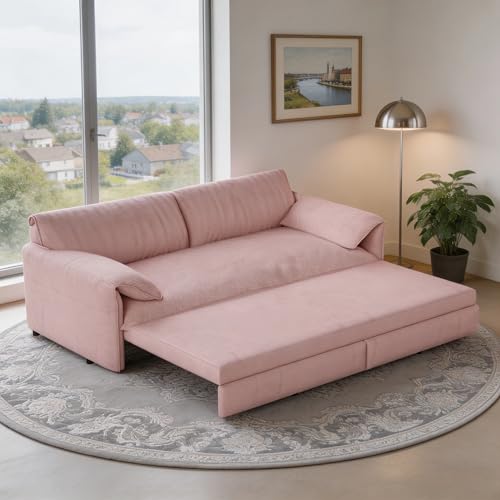
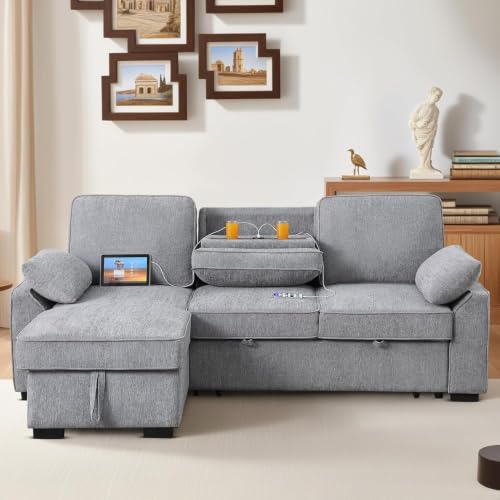
A corner couch that turns into a bed is a sectional-style sofa designed with a hidden conversion mechanism. Depending on the model, the transformation works in one of several ways: a pull-out frame that extends the seat, a fold-down backrest that flattens into a mattress, or a pop-up mechanism that lifts the sleeping surface. The corner configuration maximizes seating in an L-shape, while the bed function adds overnight capacity without a separate guest room.
These couches are available in both indoor and outdoor versions. Outdoor models use weather-resistant frames, water-repellent upholstery, and rust-proof hardware. Indoor models prioritize cushion thickness and mattress comfort. If you are setting up a covered patio or sunroom, a weather-ready convertible sectional is a smart choice.
Types of Conversion Mechanisms
Pull-Out Sleeper Mechanism
The seat pulls forward and unfolds into a flat bed. This design is sturdy and typically offers a thicker sleeping surface. It works well on a covered patio where the mechanism stays dry.
Fold-Down Backrest
The backrest folds flat to create a sleeping area. This is the simplest mechanism and often lighter. It suits small spaces and quick conversions but may have a thinner mattress.
Pop-Up Trundle Design
A hidden platform lifts and expands the sleeping surface. These models often include storage underneath and a more even mattress. They are heavier and better suited to permanent setups.
Modular Convertible Sectional
Individual modules can be rearranged into a bed or a corner couch. These are the most flexible and the most substantial. They suit large decks and family use.
Key Features to Evaluate
Before choosing a corner couch that turns into a bed, evaluate the features that affect comfort, durability, and daily use.
| Feature | What to Look For | Best For |
|---|---|---|
| Frame Material | Powder-coated aluminum or high-grade steel for outdoor use; hardwood for indoor | Long-term durability |
| Upholstery | Solution-dyed acrylic or olefin for outdoor; tightly woven performance fabric indoors | Weather resistance |
| Mattress Thickness | At least 4 inches for occasional guests; 5–6 inches for regular use | Sleep comfort |
| Conversion Mechanism | Smooth gliding tracks, reinforced hinges, and a locking latch | Ease of use |
| Cushion Fill | High-density foam or foam wrapped in fiber for shape retention | Seating and sleeping support |
| Storage | Under-seat compartments or a built-in deck storage box for bedding | Small spaces |
Pros and Cons of Convertible Corner Couches
Advantages
- Two functions in one footprint
- Ideal for small patios and balconies
- Provides extra sleeping space for guests
- Corner shape maximizes seating
- Modern designs blend with most decor
Considerations
- Conversion mechanisms need regular maintenance
- Sleeping surface may be firmer than a standard bed
- Outdoor models require covers in harsh weather
- Heavier than a standard sofa
- Needs clearance space when converted
Who Should Consider One?
Small Patio Owners
Maximize seating and sleeping without adding furniture.
Frequent Hosts
Offer overnight guests a comfortable place to sleep.
Studio & Loft Dwellers
Use one piece for lounging and sleeping in compact homes.
Sunroom & Porch Users
Add a multi-use seating option in a covered outdoor space.
Materials Matter
The material of your corner couch that turns into a bed determines how long it lasts and how comfortable it feels. For outdoor use, prioritize rust-proof frames and water-repellent fabrics. For indoor use, focus on upholstery that resists stains and maintains shape.
Aluminum Frame
Lightweight, rust-proof, and easy to move. Aluminum frames are common in mid-range outdoor convertible sofas and hold up well in humid climates.
Powder-Coated Steel
Heavier and more rigid than aluminum. Powder coating resists chipping and corrosion. These frames suit permanent patio setups and heavy use.
Wood Frame
Classic look for indoor and covered outdoor use. Teak and acacia are naturally weather-resistant. Wood frames need sealing to prevent cracking.
Performance Fabric
Solution-dyed acrylic and olefin resist fading, mildew, and moisture. These fabrics are the best choice for an outdoor corner sofa bed that stays outside.
Sizing and Space Planning
A corner couch that turns into a bed takes up less floor space than a traditional sofa plus a guest bed, but you still need clearance. Measure your space carefully before choosing a model.
Measuring Checklist
Measure the wall length where the corner will sit, the depth of the seating area, and the distance to nearby furniture. When converted, most models extend 30 to 45 inches outward. Leave at least 24 inches of walking space around the extended bed. For compact spaces, look at corner bench dining tables for small spaces to coordinate a matching layout.
Quick Comparison: Corner Sofa Bed Styles
| Style | Tier | Best For |
|---|---|---|
| Fabric Pull-Out Sectional | Mid-Range | Covered patios and sunrooms |
| Outdoor Wicker Sleeper Sofa | Premium | Poolside and open decks |
| Fold-Down Backrest Couch | Entry-Level | Balconies and small porches |
| Modular Convertible Sectional | Luxury | Large family patios |
Maintenance Tips
Regular care extends the life of your convertible corner couch. Clean the frame and upholstery seasonally, lubricate the mechanism, and store cushions when not in use.
Clean Fabric Regularly
Brush off debris and wash removable covers according to the manufacturer's instructions. Use a cushion guide to choose the right cleaning method for your fill type.
Lubricate the Mechanism
Apply silicone spray to hinges and tracks every few months. This keeps the conversion smooth and prevents rust on outdoor models.
Protect from Weather
Use a fitted cover during rain or winter. A custom outdoor cover protects the mechanism and upholstery from moisture and UV damage.
Store Bedding Separately
Keep bedding in a dry storage box when not in use. This prevents mildew and keeps the couch ready for seating.
Ready to Choose Your Corner Sofa Bed?
Browse our recommended models below and compare features, tiers, and best-use scenarios.
See RecommendationsFrequently Asked Questions
What should I look for in a corner couch that turns into a bed?
Look for a sturdy frame, smooth conversion mechanism, high-quality cushions, and a size that fits your space. Check the mattress thickness and whether it suits both seating and sleeping. For outdoor use, confirm weather-resistant materials and rust-proof hardware.
Can an outdoor corner couch that turns into a bed stay outside?
Yes, if it is specifically designed for outdoor use with weather-resistant materials, rust-proof hardware, and water-repellent fabrics. Always use a cover during harsh weather and store cushions when not in use.
How much space does a corner sofa bed need?
Corner sofa beds are compact when upright. When converted, they typically extend 30 to 45 inches outward. Measure your room and leave clearance for foot traffic. A measurement guide can help you plan the layout.
Is a pull-out or fold-down mechanism better?
Pull-out mechanisms are sturdier and offer a thicker sleeping surface. Fold-down designs are lighter and simpler. Choose based on how often you will convert the couch and how much space you have.