Dining Table with Fire Pit in Middle: The Complete Buyer's Guide
Combine al fresco dining with the warmth and ambiance of a real fire. Learn how fire pit dining tables work, what to look for, and how to choose the right one for your patio.
Jump to Buying ChecklistWhy a fire pit dining table? A dining table with a fire pit in the middle turns an ordinary outdoor table into the social center of your backyard. Guests stay longer, evenings stretch further into the cooler months, and the dancing flame becomes a natural conversation piece. This guide explains the different designs, fuel types, safety considerations, and design choices so you can decide with confidence.
What Is a Dining Table with a Fire Pit in the Middle?
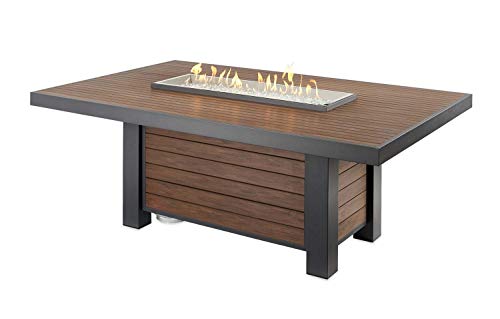
A fire pit dining table is a purpose-built outdoor table with a central fire feature integrated into the tabletop. Instead of a plain surface, the center holds a burner — usually propane, natural gas, bioethanol, or wood — surrounded by a dining surface where plates, drinks, and place settings sit. The fire element is recessed and shielded so diners can eat comfortably on all sides.
These tables sit at the intersection of two popular categories: the classic outdoor patio dining set and the modern fire table. The result is a piece that works as a dining table by day and a gathering point by night. Many models pair with benches and chairs, and some coordinate with dining sets with a bench layout for a unified look.
How Fire Pit Dining Tables Work
Understanding the mechanics helps you evaluate quality and safety. Most fire pit dining tables share a common structure:
- Central burner unit — a recessed fire bowl or linear burner set into the middle of the table.
- Heat shield or glass surround — tempered glass panels or a raised rim that keeps flames contained and reduces wind interference.
- Fuel source — a hidden propane tank compartment, a natural gas hookup, a bioethanol reservoir, or a wood-burning bowl.
- Ignition and controls — push-button or electronic ignition with adjustable flame height on gas models.
- Table surface — the dining area surrounding the burner, often stone, ceramic, metal, or composite.
Gas models typically produce instant, controllable flames and are the most common choice for dining tables. Bioethanol is popular where venting or fuel storage is limited, while wood-burning versions deliver the traditional crackle but require more care and clearance.
Fire Pit Dining Table Styles and Configurations
Design choice matters as much as function. Here are the main configurations you will encounter:
Round Fire Pit Tables
Even seating all around and a natural focal point. Round tables suit conversation-focused layouts and pair well with curved benches or four to six chairs.
Rectangular Fire Pit Tables
More dining surface and a linear burner for a modern look. Ideal for six to eight diners and for patios with a defined long axis.
Bar-Height Fire Tables
Raised surfaces with taller stools, great for casual grazing and evening drinks. The fire adds warmth at chest height for standing guests.
Bench-Style Layouts
Paired with a dining table with bench and chairs arrangement, these create a relaxed, family-style feel around the flame.
Fuel Types Compared
The fuel you choose affects convenience, heat output, and placement rules. Use this comparison as a starting point, then confirm local regulations before installing.
| Fuel Type | Best For | Key Considerations |
|---|---|---|
| Propane | Flexible placement, no gas line | Requires a hidden tank compartment; tank needs periodic refilling |
| Natural Gas | Permanent patios with a gas line | Continuous fuel supply; professional installation recommended |
| Bioethanol | Rentals and spaces without gas access | Clean-burning and ventless; flame output is generally lower |
| Wood | Traditional crackle and rustic ambiance | Needs clearance, ash cleanup, and a spark screen |
Materials and Durability
Outdoor furniture lives with sun, rain, and temperature swings, so construction quality is decisive. Look for these markers of a solid build:
- Tabletop: sintered stone, porcelain, or sealed natural stone resist heat and stains; powder-coated aluminum and high-grade steel offer strength with less weight.
- Frame: rust-proof finishes and reinforced welds signal long-term durability.
- Burner: stainless steel burners resist corrosion better than mild steel.
- Cushions: if your seating uses cushions, choose quick-dry foam and solution-dyed fabric for weather resistance.
If you plan to mix and match seating, browse durable outdoor furniture options that match the table's finish and scale.
Safety Essentials
A fire feature at dining height deserves careful planning. Keep these principles in mind:
- Clearance: keep combustible items, fabrics, and decorations well away from the flame zone.
- Level ground: place the table on a flat, stable surface away from low-hanging branches or awnings.
- Ventilation: use gas and bioethanol tables in well-ventilated outdoor areas only.
- Supervision: never leave a live flame unattended, and keep children and pets at a safe distance.
- Extinguishing: know how to shut off the fuel supply and keep a fire extinguisher nearby.
- Local rules: check HOA rules and local fire regulations, especially for wood-burning models.
Editor's note: Glass surrounds improve wind resistance but get hot. Choose models with a raised rim or heat shield so place settings stay clear of the burner edge.
Design Ideas for Fire Pit Dining Areas
A fire pit table anchors the layout, but the surrounding space completes the experience:
- Layered lighting: pair the flame with string lights or low-voltage path lights so the area stays usable after dark.
- Defined zones: an outdoor rug under the table visually separates dining from lounging areas.
- Seating balance: mix benches and chairs for flexibility; a dining table with bench and four chairs seats six comfortably.
- Small spaces: a compact dining table with bench for small spaces keeps the fire feature without overwhelming a balcony.
- Entertaining flow: leave walking room around all sides so guests can serve themselves without reaching over the flame.
Buying Checklist
Before you commit, run through this checklist to confirm the table fits your patio, your routine, and your safety requirements:
- Measure the footprint and confirm clearance for chairs pulled out.
- Decide on fuel based on gas access and refilling convenience.
- Check the burner rating — heat output should suit your climate and intended use.
- Confirm the tabletop material resists heat, stains, and scratching.
- Look for weather-resistant finishes and rust-proof hardware.
- Review warranty and parts availability for the burner and ignition system.
- Plan delivery and assembly — see our delivery and assembly guide for what to expect.
- Match seating to the table style, whether benches, chairs, or a mix.
Who Should Choose a Fire Pit Dining Table?
This category suits households that entertain outdoors regularly, especially in climates with cool evenings. If you want one piece that handles dinner service and after-dinner warmth, a fire pit dining table is efficient in the long run. If your priority is pure lounging, a separate fire pit paired with deep seating may work better. If you simply want the dining function with a more traditional look, explore a standard dining table and bench set first.
For patios that double as social hubs, the combination of a dining surface and a live flame is hard to match. The key is choosing a model whose fuel, size, and safety features fit how you actually use the space.
Frequently Asked Questions
Can you eat at a table with a fire pit in the middle?
Yes. The burner is recessed and surrounded by a dining surface, so place settings sit safely around the flame. Keep plates and fabrics clear of the burner edge and always supervise the fire while dining.
Are fire pit dining tables safe for children and pets?
They can be, with supervision and a safe distance. Choose models with a raised rim or glass surround and establish a no-touch rule for the burner area. Never leave a live flame unattended.
What is the best fuel for a fire pit dining table?
Propane offers flexible placement and instant control. Natural gas suits permanent patios with a gas line. Bioethanol works where venting is limited, and wood delivers a traditional crackle but needs more clearance and cleanup.
How do I clean and maintain the table?
Wipe the tabletop with a mild cleaner after meals, cover the table when not in use, and inspect the burner and ignition regularly. Follow the manufacturer's instructions for seasonal storage.
Can a fire pit dining table be used in winter?
Gas and bioethanol models can extend your patio season, but always follow the manufacturer's temperature and storage guidelines. Cover the table and protect the burner when not in use.
Ready to Explore Fire Pit Dining Tables?
Compare models, configurations, and features in our recommended selection below. Find the right balance of dining surface, warmth, and durability for your outdoor space.
View Recommended Options