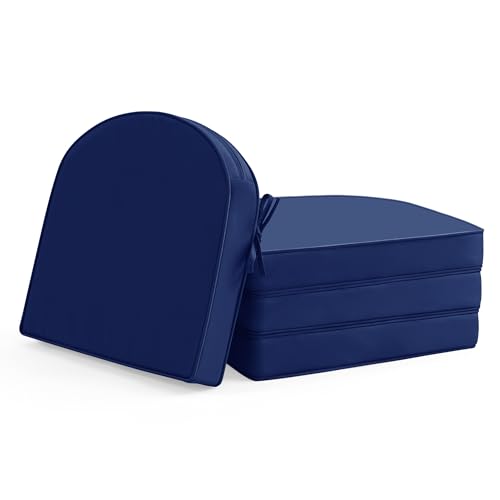
Discount Outdoor Chair Cushions: The Complete Buying Guide
Everything you need to choose comfortable, durable, and weather-ready seat cushions for your patio chairs — without compromising on quality or style.
Why read this guide? Outdoor chair cushions are one of the most impactful upgrades you can make to your patio seating. They add comfort, protect your furniture frames, and instantly refresh the look of your outdoor space. But with so many materials, thickness options, and fastening styles available, choosing the right set can feel overwhelming. This guide breaks down exactly what matters so you can make a confident, informed decision.
Why Outdoor Chair Cushions Matter
Bare patio chairs — whether metal, wicker, or wood — offer little in the way of comfort during long conversations, outdoor meals, or lazy afternoons. A well-chosen set of outdoor chair cushions transforms hard seating into a welcoming spot that you and your guests will actually want to use. Beyond comfort, cushions also serve practical purposes: they reduce wear on the chair frame, add a layer of insulation against heat or cold surfaces, and provide an easy way to update your patio's color palette without replacing the furniture itself.
When shopping for discount outdoor chair cushions, the goal isn't simply to find the lowest entry point into the category — it's to identify options that deliver solid comfort and durability within their tier. A mid-range cushion with a high-density foam core and a solution-dyed fabric cover often outperforms a starter-tier alternative by a wide margin over multiple seasons. Understanding the trade-offs between tiers is the key to making a smart choice.
Key Factors When Choosing Cushions
Fabric & Weather Resistance
Solution-dyed acrylics and treated polyesters resist fading, mildew, and moisture. Look for UV-resistant covers if your patio gets direct sun.
Foam Density & Thickness
High-density foam (2–3 inches thick) holds its shape longer. Polyester fiber fill is softer but compresses faster over time.
Fastening & Fit
Straps, ties, or non-slip backing keep cushions in place on windy days. Measure your chair seat width and depth before ordering.
Cleaning & Maintenance
Removable, machine-washable covers simplify upkeep. Spot-cleanable fabrics work well for light use and shaded patios.
Color & Style
Neutral tones (sand, charcoal, sage) pair with most furniture. Bold patterns add personality and hide minor stains.
Storage & Seasonality
Consider stackable or foldable cushions if you store them indoors during off-season. Quick-dry foam is a plus.
Cushion Quality Tiers: A Practical Comparison
Rather than focusing on transient pricing, it helps to think about cushions in terms of quality tiers. Each tier represents a different balance of materials, construction, and expected lifespan. Use the table below as a reference when comparing options in the category.
| Tier | Best For | Typical Construction | Expected Lifespan |
|---|---|---|---|
| Entry-Level | Seasonal use, shaded patios, occasional seating | Polyester fiber fill, basic woven cover, tie attachments | 1–2 seasons |
| Mid-Range | Everyday family use, mixed sun exposure | Medium-density foam core, treated polyester or acrylic blend, straps | 3–5 seasons |
| Premium | High-traffic patios, full-sun locations, long-term use | High-density foam, solution-dyed acrylic, reinforced seams, non-slip backing | 5+ seasons |
| Luxury / Commercial-Grade | Hospitality settings, covered outdoor rooms, design-focused spaces | Multi-layer foam with memory top, premium performance fabric, custom fit | 7+ seasons |
Note: Lifespan estimates assume proper care and seasonal storage. Actual longevity depends on climate, sun exposure, and maintenance habits.
Materials Explained: What Works Best Outdoors
Fabric Covers
The cover is your cushion's first line of defense against sun, rain, and dirt. Solution-dyed acrylic is considered the gold standard for outdoor use — the color is injected into the fibers themselves, making it highly resistant to fading and mildew. Treated polyester is a solid mid-range option that offers good water repellency at a more accessible tier. Basic untreated cotton or poly-cotton blends are best reserved for covered porches where direct weather exposure is minimal.
Foam and Fill
Foam density directly affects comfort retention. High-density polyurethane foam (often rated 1.8 lb/ft³ or higher) resists compression and bouncing back slowly. Medium-density foam is a common mid-range choice that balances comfort and support. Polyester fiber fill feels plush initially but tends to flatten faster — it's best for decorative back cushions or light-use seating. Some premium cushions combine a foam core with a fiber wrap to get the best of both worlds.
Weatherproofing Treatments
Many outdoor cushions receive a water-repellent finish (often a fluoropolymer or silicone-based treatment). These finishes cause water to bead and roll off, but they degrade over time with UV exposure and washing. Re-treating sprays are available to extend the life of the water resistance. For areas with heavy rain, consider cushions with sealed seams or quick-dry foam that allows water to pass through rather than soak in.
Getting the Right Fit: Sizing Tips
One of the most common mistakes when buying outdoor chair cushions is ordering the wrong size. Cushions that are too small slide around and look undersized; cushions that are too large bunch up and wear out faster at the seams. Before you shop, take these measurements:
- Seat width — measure the widest point of the chair seat, from left edge to right edge.
- Seat depth — measure from the front edge of the seat to the backrest.
- Back height — if you're buying a cushion with a back, measure from the seat surface to the top of the backrest.
- Chair style — dining chairs, lounge chairs, and rockers each have different typical cushion shapes. Check whether your chair has arms, and whether the cushion needs to wrap around them.
For standard patio dining chairs, a common seat cushion size is around 18–20 inches wide by 18–20 inches deep. Lounge chairs and chaise-style seating often require longer cushions. If your chairs are an unusual size, look for adjustable or custom-fit options. It's also worth checking whether the cushion you're considering is designed for a specific chair style — for example, set of 4 patio chair cushions are often sized for standard dining chairs, while 24 x 24 outdoor seat cushions suit larger lounge seating.
Care & Maintenance for Long-Lasting Cushions
A little routine care goes a long way toward extending the life of your outdoor cushions. Here's a simple maintenance routine to follow:
- Shake and air out cushions weekly during humid months to prevent mildew from forming in trapped moisture.
- Spot-clean spills immediately with a mild soap and water solution. Avoid harsh detergents that can strip protective finishes.
- Machine-wash removable covers according to the manufacturer's instructions — usually cold water, gentle cycle, and air drying.
- Store cushions indoors during heavy rain, winter, or extended periods of non-use. A deck box or storage bench works well.
- Re-treat water repellency annually with a fabric protector spray designed for outdoor textiles.
If your cushions are starting to look tired, it may be worth checking whether the foam core can be replaced separately — some premium cushion lines offer replacement inserts, which extends the life of the cover. For broader seasonal maintenance guidance, see our outdoor weatherproofing guide.
Common Mistakes to Avoid
Even experienced patio owners sometimes overlook these details when shopping for chair cushions:
- Ignoring UV exposure. A cushion that performs well on a shaded porch may fade quickly in full afternoon sun. Match the fabric's UV rating to your actual sun conditions.
- Choosing thickness over density. A thick cushion made from low-density foam can compress and flatten faster than a thinner high-density cushion. Density matters more than raw thickness.
- Forgetting about wind. Lightweight cushions without ties or non-slip backing tend to blow around. If your patio is exposed, prioritize fastening options.
- Not checking the chair's frame. Cushions are designed for specific seat types. A cushion meant for a slatted metal chair may not fit a solid wicker seat comfortably.
- Skipping the cover when storing. Even premium cushions benefit from being covered or stored indoors during off-season months.
Frequently Asked Questions
How often should outdoor chair cushions be replaced?
With proper care, mid-range cushions typically last three to five seasons, while premium and luxury-tier cushions can last five to seven seasons or more. Entry-level cushions often need replacing after one to two seasons, especially in full-sun or rainy climates. Signs it's time to replace include flattened foam that doesn't bounce back, persistent mildew stains, and frayed seams.
Can outdoor chair cushions stay outside year-round?
It depends on the cushion's weather rating and your local climate. Premium solution-dyed acrylic cushions with quick-dry foam can handle occasional rain and sun exposure, but even the best cushions benefit from being brought indoors during winter or extended storms. If you live in a region with harsh winters, storing cushions in a dry, ventilated space is strongly recommended.
What's the difference between outdoor and indoor chair cushions?
Outdoor cushions are designed with moisture-resistant fabrics, mildew-resistant foam, and UV-stable dyes. Indoor cushions typically use cotton or linen covers and standard foam that absorbs moisture and degrades quickly when exposed to the elements. Using indoor cushions outdoors will shorten their lifespan significantly, even on a covered porch.
How do I keep cushions from sliding on wicker or metal chairs?
Look for cushions with built-in ties, elastic straps, or a textured non-slip backing. If your cushions don't have these features, you can add adhesive non-slip pads or use double-sided hook-and-loop tape between the cushion and the chair surface. Some chair designs also accept a cushion with a rear flap that tucks into the backrest gap.
Are thicker cushions always more comfortable?
Not necessarily. Comfort depends on foam density and construction more than raw thickness. A two-inch high-density foam cushion often provides better support than a four-inch low-density cushion that compresses easily. For dining chairs, two to three inches of high-density foam is usually ideal; for lounge chairs, slightly thicker cushions with a softer top layer can feel more comfortable.