Durable Beach Chairs: The Complete Buying Guide
Everything you need to choose a beach chair that survives salt, sand, sun, and repeated folding — without compromising comfort or portability.
Why durability matters at the beach: Beach chairs face a uniquely hostile environment. Salt spray attacks metal hardware, UV radiation degrades fabric, and sand works its way into every hinge and joint. A chair that performs well on a covered patio may fail within a single season at the shoreline. This guide breaks down the construction details that separate long-lasting beach chairs from short-lived ones, so you can make a confident purchase decision.
What Makes a Beach Chair Durable?
Durability in beach chairs comes down to four interdependent components: the frame, the fabric, the hardware and joints, and the folding mechanism. Weakness in any one of these areas shortens the chair's usable life, regardless of how robust the others may be. Understanding how these parts work together helps you evaluate any chair you are considering.
1. Frame Material and Construction
The frame carries the full load of the user and absorbs stress every time the chair is folded, unfolded, and dropped onto sand. The most common frame materials are aluminum, steel, and engineered resin.
- Powder-coated aluminum — The benchmark for saltwater environments. Aluminum does not rust the way steel does, and a powder-coated finish adds a protective barrier against pitting and scratching. Mid-range and premium beach chairs typically use thicker-gauge aluminum tubing with reinforced wall thickness at stress points.
- Stainless steel — Highly corrosion-resistant when properly graded, but heavier than aluminum. Often used for hardware, rivets, and bolts rather than the entire frame.
- Coated steel — Common in entry-level chairs. Steel is strong but prone to rust once the coating chips, which is nearly inevitable with beach use. Chairs in this category require diligent rinsing and drying.
- Engineered resin or polymer — Resistant to corrosion and often molded into single-piece frames that eliminate weak joints. The trade-off is typically a bulkier folded profile and sometimes lower weight capacity.
2. Fabric Resilience
Seat and back fabrics must resist UV fading, stretching, and abrasion from sand and wet swimwear. The key specification is the fabric type and its treatment.
- Solution-dyed acrylic or polyester — Color is infused into the fiber rather than applied as a surface dye, so it resists fading far better under prolonged sun exposure. High-denier weaves (measured in denier, a fiber thickness unit) offer greater tear resistance.
- PVC-coated mesh — Common on beach chairs for its quick-drying properties and resistance to water absorption. Quality varies significantly; thicker coatings resist cracking and peeling better than thin ones.
- Textilene and similar synthetic weaves — Breathable, fast-drying, and resistant to mildew. Often used in mid-range and premium beach chairs.
Fabric seams deserve attention as well. Double-stitched or bar-tacked seams at load-bearing points (where the fabric meets the frame) last considerably longer than single-stitched seams.
3. Hardware, Joints, and Folding Mechanism
This is where many otherwise solid chairs fail. Rivets, hinges, and locking mechanisms endure constant cycling and are directly exposed to sand and salt.
- Stainless steel or coated rivets resist corrosion better than untreated steel fasteners.
- Reinforced joint plates — Look for wider brackets or gusseted connections where the legs meet the seat frame. These distribute stress and prevent the frame from twisting.
- Positive-locking mechanisms — A chair that locks firmly into its open position is safer and less prone to accidental collapse than one relying on friction alone. Metal locking pins generally outlast plastic clips.
- Anti-sink feet or wide base geometry — While not strictly a durability feature, wide feet or a broad stance prevent the chair from sinking into soft sand, which reduces stress on the frame and keeps the chair stable.
4. Weight Capacity and Load Distribution
Weight capacity ratings are a useful proxy for overall build strength, but the way a chair distributes load matters just as much as the raw number. Chairs with cross-bracing beneath the seat, reinforced center supports, and wide leg footprints handle stress more gracefully than minimalist frames. When evaluating any chair, choose one rated comfortably above the intended user's weight — this provides a safety margin for dynamic loads like sitting down heavily or shifting position on uneven sand.
Comparing Beach Chair Tiers
Beach chairs fall into recognizable quality tiers. Rather than focusing on specific figures, it helps to understand what each tier generally delivers in construction and longevity.
| Tier | Typical Frame | Fabric | Best For |
|---|---|---|---|
| Entry-level | Coated steel or thin aluminum | Basic polyester or single-layer mesh | Occasional use, short trips, light users |
| Mid-range | Powder-coated aluminum with reinforced joints | Solution-dyed fabric or quality PVC mesh | Regular beachgoers who want several seasons of reliable use |
| Premium | Thick-gauge aluminum, stainless hardware, gusseted joints | High-denier solution-dyed acrylic or premium synthetic weave | Frequent use, heavier users, saltwater and harsh-sun climates |
| Luxury / professional-grade | Marine-grade aluminum or engineered composite frames | Marine-grade fabrics with UV and mildew treatments | Daily use, commercial settings, long-term investment |
Within any tier, the best choice is the chair with the most robust joints and the most thoughtfully reinforced frame. A mid-range chair with excellent construction often outlasts a premium chair with weaker hardware. For broader context on outdoor furniture longevity, see our guide to durable outdoor furniture.
Portability vs. Durability: Finding the Balance
There is an inherent tension between lightweight portability and heavy-duty construction. Ultralight chairs prioritize carry convenience, often using thinner tubing and minimal bracing. Heavier chairs tend to be more robust but less pleasant to carry long distances.
The right balance depends on how you reach the beach and how far you carry the chair:
- Short walk from parking or a beach house — A sturdier mid-range or premium chair with a higher weight capacity is the better investment. Carry weight is less of a concern, so prioritize frame strength and fabric quality.
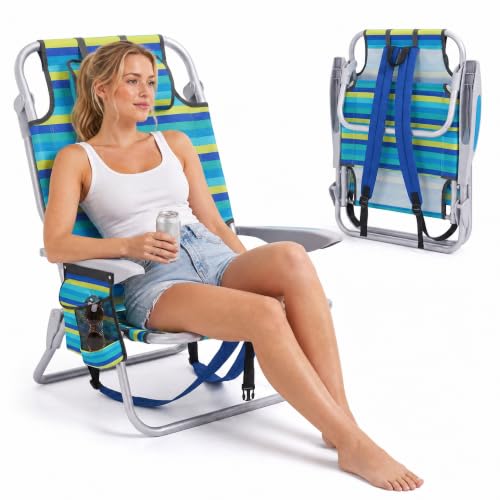
- Long walk, public transit, or crowded access points — Consider backpack-style chairs with aluminum frames. These combine reasonable weight with genuinely durable construction, though strap stitching and buckle quality deserve scrutiny.
- Boat or RV use — Compact folding chairs with corrosion-resistant frames are ideal. Rinsing and drying after each trip becomes especially important in these environments.
Related chair styles worth exploring include director camping chairs, which pair a sturdy frame with a flat folding profile, and double camping chairs for shared seating.
Construction detail to check: Look at the underside of the seat. A durable beach chair will have visible reinforcement — cross-bars, a second fabric layer, or a tension strap — beneath the main seating surface. Chairs with a single unsupported fabric panel stretch and sag faster under repeated use.
Beach Chair Features That Affect Longevity
Reclining Mechanisms
Multi-position reclining chairs add convenience but introduce additional moving parts. Metal ratchet or pin-based systems generally hold up better than plastic friction hinges, which can crack or lose grip over time. If you want a recliner, favor chairs with metal locking hardware and clearly reinforced pivot points.
Cup Holders and Accessory Attachments
Integrated cup holders and side pockets are convenient but represent potential failure points if they are flimsy or poorly attached. Molded-in holders are more durable than clip-on accessories. Fabric pockets should be reinforced at the stitch lines.
Canopies and Sunshades
Attached canopies add UV protection but must withstand wind. Look for canopy frames with locking hinges and fabric that matches the seat's UV resistance. A poorly secured canopy can act as a sail in coastal breezes and stress the chair's back frame. Those seeking shade and lounging options may also consider a double chaise lounge with canopy for patio or poolside use.
Carry Straps and Backpack Conversions
Straps are a frequent weak point on folding beach chairs. Wide, padded straps with reinforced stitching at the attachment points distribute weight better and resist tearing. Metal buckles outlast plastic ones, though quality plastic hardware can also perform well.
Maintaining Durable Beach Chairs
Even the most robust beach chair benefits from a simple care routine. These habits dramatically extend usable life:
- Rinse after every use. Fresh water removes salt and sand before they can corrode metal or abrade fabric. Pay particular attention to hinges, rivets, and folding joints.
- Dry fully before folding. Folding a wet chair traps moisture in the joints and fabric, accelerating corrosion and mildew growth. Let it air-dry in the open position or wipe it down thoroughly.
- Store out of direct sun. UV exposure degrades fabric and plastic components even when the chair is not in use. A garage, shed, or breathable cover is ideal.
- Lubricate moving parts occasionally. A small amount of silicone-based lubricant on hinges and locking mechanisms keeps them operating smoothly and displaces moisture.
- Inspect seams and fasteners each season. Catching a loose rivet or fraying seam early prevents small issues from becoming structural failures.
For a broader look at protective covers and seasonal storage, see our weatherproofing guide.
Common Mistakes When Choosing Beach Chairs
- Prioritizing light weight above all else. The lightest chairs often sacrifice frame thickness and joint reinforcement. If durability is the goal, accept a moderate carry weight.
- Ignoring the hardware. Buyers frequently inspect fabric and frame but overlook rivets and locking pins — the components most likely to fail first in salt environments.
- Skipping the rinse routine. Many chairs that fail within a season could have lasted several years with consistent fresh-water rinsing after beach use.
- Choosing fabric by color appeal alone. Fade resistance and denier matter more than the initial appearance. Solution-dyed fabrics hold their color far longer than surface-dyed alternatives.
- Overlooking sand-sinking. Chairs that sink into soft sand put extra stress on the frame. Wide feet or a broader base geometry improve both stability and longevity.
Frequently Asked Questions
What material is best for durable beach chairs?
Aluminum frames with powder-coated finishes and high-denier solution-dyed fabrics are the most reliable combination for salt and UV exposure. Rust-proof stainless hardware and reinforced joints further extend lifespan.
How do I prevent beach chair frames from rusting?
Rinse the frame with fresh water after every beach trip, dry it fully before folding, and store it indoors or in a breathable cover. Powder-coated aluminum resists corrosion far better than untreated steel.
What weight capacity should I look for in a beach chair?
Look for chairs rated well above the intended user's weight. Mid-range and premium tiers commonly support higher capacities with reinforced cross-bracing, while entry-level chairs may have lower limits.
Are backpack beach chairs more durable than standard folding chairs?
Durability depends on construction rather than carry style. Backpack chairs with aluminum frames and reinforced shoulder straps can be just as durable, but strap stitching and buckle quality matter over time.
How long should a durable beach chair last?
With proper care — rinsing after each use, drying fully, and storing out of direct sun — a well-constructed mid-range or premium beach chair can deliver multiple seasons of regular use. Entry-level chairs used in saltwater conditions without care typically show wear much sooner.
Durable beach chairs are a long-term investment in comfortable, reliable shoreline seating. By focusing on frame material, fabric resilience, hardware quality, and a simple maintenance routine, you can select a chair that serves you season after season. Explore the recommended options below to compare construction and features across the available range.