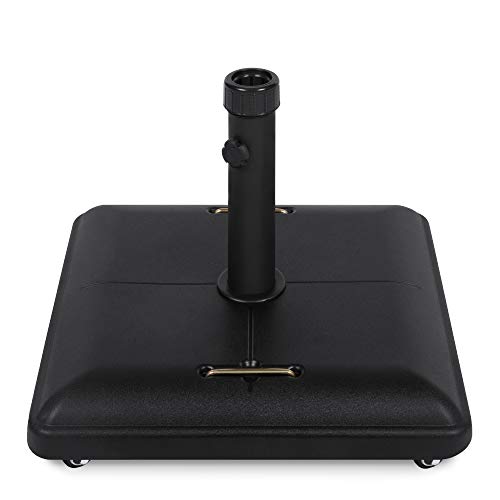
Heavy Duty Patio Umbrella Stand With Wheels
Your complete guide to choosing a stable, mobile umbrella base that protects your patio umbrella and keeps your outdoor space flexible.
Explore Recommended OptionsWhy a wheeled heavy-duty stand matters: A patio umbrella is only as reliable as its base. A heavy-duty stand with wheels combines the stability needed to hold large canopies with the convenience of easy repositioning—so you can chase the shade or move the umbrella for cleaning and storage without heavy lifting.
What Makes an Umbrella Stand "Heavy Duty"?
A heavy-duty patio umbrella stand with wheels is engineered to handle the wind load and leverage of a full-size patio umbrella. The term "heavy duty" refers to the stand's structural strength, base mass, and hardware quality—not to how difficult it is to move. In fact, the best wheeled stands are designed to be stable when stationary and manageable when you need to reposition them.
Key characteristics of a heavy-duty wheeled stand include:
- Fillable base reservoir: Many stands use sand or water to add weight. Water is lighter to handle when empty; sand provides more mass per volume. Some models combine both for maximum stability.
- Locking casters: Wheels with brakes keep the stand firmly in place once positioned, preventing drift on windy days or uneven surfaces.
- Reinforced steel or aluminum construction: High-grade steel with a rust-proof finish resists corrosion and holds its shape under load.
- Wide footprint and low center of gravity: A broad base distributes weight and reduces tipping risk, especially important for cantilever or offset umbrellas.
- Compatibility with umbrella pole diameter: Heavy-duty stands typically accommodate poles from 1.5 inches to 2 inches, with some adjustable collars for a secure fit.
If you're matching a stand to a specific umbrella, consider the canopy size and whether your umbrella is a center-pole or offset design. Offset and cantilever umbrellas, such as an 11 ft offset umbrella with LED lights, usually require a heavier base and a stand designed for their mounting style. Center-pole models, including a yellow and white striped outdoor umbrella, pair well with traditional wheeled bases.
Stability vs. Mobility: Finding the Balance
The main appeal of a wheeled stand is mobility, but stability must never be compromised. Here's how to balance the two:
- Empty vs. filled weight: A fillable base is light enough to roll when empty and heavy enough to stay put when filled. Check the manufacturer's recommended fill for your umbrella size and local wind conditions.
- Caster quality: Larger wheels roll more easily over patio joints and deck boards. Swivel casters improve maneuverability in tight spaces.
- Locking mechanism: Always engage the wheel locks after positioning. Some premium stands include a foot-operated lock for quick setup.
- Surface compatibility: Soft or pneumatic wheels are gentler on wood decks; hard casters work well on concrete and stone patios.
For a more permanent shade solution, a 11 ft cantilever patio umbrella with base offers a different mounting approach; wheeled stands are best suited for freestanding center-pole umbrellas that you want to move seasonally or during gatherings.
How to Choose the Right Wheeled Umbrella Stand
1. Match the Base to Your Umbrella Size
Larger canopies catch more wind and create more leverage. A stand that feels solid with a small umbrella may be inadequate for a 10-foot or 11-foot canopy. Use the manufacturer's guidance, and when in doubt, choose the heavier fill option. For patio dining areas where the umbrella passes through a table, a white round outdoor table with umbrella hole or a resin outdoor dining table with umbrella hole can work alongside a wheeled stand, though the table itself does not replace a proper base.
2. Consider Your Patio Surface
Concrete and stone patios handle hard casters well. Wood and composite decks benefit from softer wheels to avoid scratches and dents. If your patio has expansion joints or a textured surface, larger wheels reduce the effort needed to roll the stand into position.
3. Check the Pole Compatibility
Measure your umbrella pole diameter before buying. Most heavy-duty stands include adapters for common pole sizes, but confirming compatibility prevents wobble. A secure collar or tightening knob is essential—an umbrella that shifts in the base is a safety hazard.
4. Look for Weather-Resistant Materials
Powder-coated steel, aluminum, and stainless steel hardware resist rust and UV damage. Avoid stands with exposed untreated metal that can corrode after repeated exposure to rain and sprinklers. A rust-proof finish and UV-resistant resin components extend the stand's service life.
5. Evaluate the Fill System
Fillable bases usually have a capped opening for sand or water. Water is easier to empty and refill; sand provides more weight but is messier to handle. Some models feature a dual-chamber design that accepts both. Consider how you'll drain and refill the base each season, especially if you store the umbrella during winter—see our winter storage guide for seasonal care tips.
Comparison of Stand Tiers
| Tier | Best For | Typical Features |
|---|---|---|
| Entry-level | Small patios, occasional use, lighter umbrellas | Basic fillable base, standard casters, simple locking |
| Mid-range | Regular residential use, medium to large umbrellas | Reinforced steel frame, dual-fill reservoir, swivel casters with brakes |
| Premium | Frequent use, large or offset umbrellas, exposed locations | High-grade steel or aluminum, precision locking casters, wide footprint, weather-resistant coating |
| Commercial-grade | Restaurants, hospitality, high-wind areas | Heavy structural build, industrial casters, maximum fill capacity, corrosion-resistant hardware |
Within each tier, look for a stand that is well-specified for its class. A mid-range model with a reinforced collar and quality casters often provides better long-term performance than an entry-level stand that needs frequent adjustment.
Installation and Safety Tips
- Fill the base before mounting the umbrella. This prevents tipping during assembly and ensures the stand is grounded.
- Use the recommended fill material. Overfilling or using the wrong material can crack the reservoir or make the base unstable.
- Engage wheel locks after every move. On windy days, close the umbrella when not in use to reduce wind load.
- Inspect hardware seasonally. Tighten bolts and check casters for wear, especially after winter storage.
- Position away from high-traffic paths when the umbrella is open, and keep the base clear of trip hazards.
If your patio is exposed to strong gusts, consider a stand from the premium or commercial-grade tier. Pair it with a properly sized umbrella, and follow the manufacturer's wind recommendations. For family-friendly outdoor spaces, a stable base is especially important—see our pet-friendly outdoor guide for more safety considerations.
Pairing Your Stand With the Right Umbrella
A heavy-duty wheeled stand works with a range of umbrellas. If you're setting up a dining area, a outdoor dining table and chairs with umbrella hole creates a natural focal point, while the wheeled stand lets you reposition shade as the sun moves. For lounge areas, a striped outdoor umbrella adds a classic look, and a matching stand keeps it secure. If you prefer a cantilever design, the 11 ft cantilever umbrella with base is a different mounting system but offers similar shade coverage with a dedicated base.
Remember that a wheeled stand is a long-term investment in your patio's flexibility. Choosing a model with durable construction and a well-designed locking system means fewer adjustments and more time enjoying your outdoor space. For seasonal maintenance, our summer decor guide and winter storage guide can help you keep the stand and umbrella in good condition year-round.
Frequently Asked Questions
What weight base do I need for a heavy duty patio umbrella stand with wheels?
The required base weight depends on your umbrella size, wind exposure, and whether the stand is under a table or freestanding. A general guideline is that larger canopies and exposed locations need heavier bases. Wheeled bases often use fillable reservoirs to achieve the necessary mass while staying movable when empty.
Are wheeled umbrella stands stable in windy conditions?
Quality wheeled stands are designed with locking casters and a wide footprint to maintain stability. For high-wind areas, choose a model with a locking wheel system and a fillable base that can be weighted with sand or water. Always close your umbrella during strong gusts.
Can I use a wheeled umbrella stand on a deck?
Yes, wheeled stands work well on decks, but choose casters that are suitable for the surface. Larger, softer wheels roll more smoothly on wood planks and composite decking, while locking mechanisms prevent unwanted movement. Avoid dragging the base to protect the deck finish.
What materials are best for a heavy duty umbrella stand with wheels?
Powder-coated steel and aluminum are common and offer durability against rust and weather. Stainless steel hardware adds longevity. Resin and concrete bases are also available, though they may be heavier to handle. Look for rust-proof finishes and UV-resistant coatings for long-term outdoor use.
Ready to Upgrade Your Patio Shade Setup?
Explore our recommended heavy-duty wheeled umbrella stands and find the right match for your outdoor space.
View Recommended Products