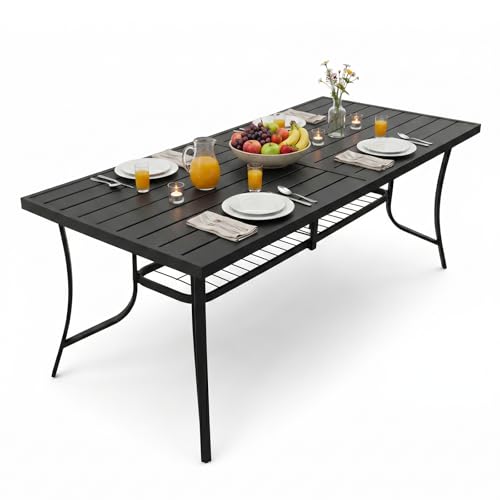
Resin Outdoor Dining Table with Umbrella Hole: The Complete Buyer's Guide
Everything you need to know about resin patio dining tables with umbrella holes — material grades, structural design, sizing, umbrella compatibility, and long-term care — so you can choose with confidence.
START THE GUIDEWhat Is a Resin Outdoor Dining Table with Umbrella Hole?
A resin outdoor dining table with an umbrella hole is a patio dining table whose top and often its base are constructed from molded or high-density resin, with a pre-drilled opening at the center designed to hold a patio umbrella pole. This combination solves two common backyard problems at once: it provides a durable, weather-tolerant dining surface, and it lets you add overhead shade without sacrificing floor space to a freestanding umbrella base in the middle of your seating area.
Resin has become one of the most popular materials for outdoor dining furniture because it resists moisture, does not rust, and can be molded into a wide range of textures — from faux wood grain to woven rattan patterns and smooth matte finishes. The umbrella hole is typically centered and sized for standard patio umbrella poles, though diameters and grommet styles vary by manufacturer.
Homeowners researching this category are usually comparing two or three options and want to understand the differences in build quality, tabletop thickness, umbrella stability, and long-term maintenance. This guide walks through each of those factors in detail so you can evaluate any product listing with a critical eye.
Why Choose Resin for Outdoor Dining
Resin earns its place in the outdoor furniture market for several practical reasons. Understanding these benefits — and their limits — helps you decide whether resin is the right material for your patio.
Weather Resistance
Unlike wood, which can warp, rot, and require annual sealing, or metal, which can rust if the finish is compromised, high-quality resin is inherently moisture-resistant. It does not absorb water, does not swell, and does not support mold growth on its surface. Modern resin formulations also include UV stabilizers that slow fading and chalking from sun exposure. Premium and commercial-grade resin tables handle year-round exposure far better than entry-level molded plastic tables, which may become brittle or discolor after a few seasons.
Low Maintenance
Resin tables wipe clean with mild soap and water. There is no sanding, no refinishing, and no rust removal. This makes resin a strong fit for households that want outdoor furniture to look good without a seasonal maintenance routine. For related care guidance, see our weatherproofing guide for outdoor furniture covers.
Lightweight and Rearrangeable
Resin tables are generally lighter than concrete, metal, or solid wood alternatives of the same size. That makes them easier to move for cleaning, seasonal rearrangement, or reconfiguring your patio layout. The trade-off is that a lighter table may need a weighted umbrella base to stay stable in wind. If stability is a top priority, review our list of outdoor furniture that can be bolted down.
Design Flexibility
Because resin is molded, manufacturers can reproduce the look of wood grain, stone, and woven wicker at a fraction of the weight. If you like the visual language of a concrete dining table but want something easier to move, a resin table with a textured top can be a practical alternative. Similarly, if you admire metal patio furniture but prefer a non-rusting surface, resin is worth considering.
Where Resin Falls Short
Resin is not indestructible. Entry-level resin can fade under intense sun, and thin tabletop moldings can flex under heavy loads. Very lightweight tables can shift in strong wind. Heat resistance is also lower than metal or stone, so hot cookware should not be placed directly on the surface. Choosing a mid-range or premium resin table mitigates most of these concerns.
Resin Material Grades Explained
Not all resin is created equal. Product listings rarely spell out the grade in plain language, but the descriptors below will help you read between the lines. Use this classification consistently as you compare tables.
| Tier | Typical Characteristics | Best For |
|---|---|---|
| Entry-level | Thinner molded top, lighter weight, basic UV protection, simpler joinery | Seasonal use, covered patios, light-duty dining |
| Mid-range | Denser resin, thicker tabletop, improved UV stabilizers, reinforced base | Year-round patios, daily family dining |
| Premium | High-density formulation, textured surface, robust frame, fade-resistant finish | Full-sun exposure, frequent entertaining |
| Commercial-grade | Heavy-duty construction, reinforced umbrella collar, high load capacity | Rental properties, restaurants, high-traffic outdoor spaces |
How to Spot Higher-Grade Resin
- Weight: A denser resin table feels more substantial and resists flexing. Extremely light tables in this category are usually entry-level.
- Tabletop thickness: Look for a top that does not visibly deflect when pressed. Thicker moldings and reinforced undersides indicate better construction.
- UV stabilization claims: Reputable manufacturers specify UV resistance or fade warranties. Vague claims are a yellow flag.
- Umbrella collar reinforcement: A metal or reinforced resin collar around the umbrella hole is a hallmark of premium and commercial-grade tables.
- Surface texture: Textured finishes hide scratches better and usually signal a more advanced molding process.
Umbrella Hole Design & Compatibility
The umbrella hole is the defining feature of this table category, and it deserves careful attention. A poorly designed hole can cause wobble, water pooling, or umbrella instability.
Standard Hole Diameters
Most resin dining tables with umbrella holes are drilled to accept poles between 1.5 inches and 1.625 inches in diameter. Some tables include a removable grommet or reducing ring to fit slightly smaller poles. Always confirm the specified hole diameter before pairing a table with an umbrella. If you are shopping for shade separately, our guide to an outdoor patio dining table with umbrella covers how to match pole sizes.
Umbrella Stability
An umbrella inserted through a table is held upright by the table's hole, but the table itself is not a weighted base. For smaller canopies — typically up to about 7.5 feet — a standard table hole plus a weighted base is usually sufficient. For larger umbrellas or windy locations, a heavier base or a table with a built-in umbrella stand is advisable. If you want a larger canopy, consider an 11 ft offset umbrella with LED lights, which uses an independent cantilever base and does not rely on the table for support.
Drainage and Water Management
Water can pool around the umbrella hole, especially if the top is flat. Better tables include a slight recess or drainage channel around the hole. A removable hole plug is useful for when the umbrella is not in use, preventing rain from dripping onto the table and seating area below. When the table is stored, keep the hole clear of debris.
Hole Collar Reinforcement
The collar — the ring around the hole — takes the lateral stress of the umbrella pole. Reinforced collars made of metal or high-density resin last longer and resist cracking. Entry-level tables sometimes have a simple drilled hole with no reinforcement, which can wear over time. Inspect this detail in product photos whenever it is visible.
Protecting the Table When Not Using an Umbrella
When your umbrella is stowed, a fitted cover protects the tabletop from pollen, bird droppings, and sun. Our article on a patio table cover with umbrella hole zipper explains how a zippered cover can stay on even with the umbrella in place, which is a practical convenience for daily users.
Sizing and Seating Capacity
Resin dining tables with umbrella holes are available in several standard shapes and sizes. Match the table to your space and the way you entertain.
Round Tables
Round tables are the most space-efficient option for umbrella-centered dining because the shade falls evenly across all seats. A 48-inch round table typically seats four comfortably; a 60-inch round seats six. Round tables work well on compact patios and pair naturally with a centered umbrella. For a related setup, see our guide to a round patio table and chairs with umbrella.
Rectangular Tables
Rectangular resin tables offer more surface area for serving dishes and seat more people per square foot of table. A 72-inch rectangular table generally seats six, while longer versions accommodate eight. The umbrella hole is usually centered, which shades the middle of the table; guests at the far ends may sit partly outside the canopy. If shade coverage is critical, consider adding a second umbrella or choosing a larger canopy.
Square Tables
Square tables are a good compromise between round and rectangular layouts. A 40-inch square seats four; a 48-inch square seats four to six depending on chair size. Square tables fit neatly into corners and pair well with symmetrical patio layouts.
Counter-Height and Bar-Height Tables
For elevated dining, a counter-height table with an umbrella hole is an option. Note that taller tables need taller umbrellas or a riser to clear the tabletop, and the umbrella pole must be long enough. Our guide to a counter-height patio table with umbrella hole covers the height matching details. Pair these tables with patio bar stools for a cohesive setup.
Measurement Tips
- Allow 24 to 30 inches of clearance per diner along the table edge.
- Leave at least 36 inches between the table edge and walls or railings for chair pull-out.
- Measure your patio umbrella canopy diameter and check that it clears nearby furniture and structures.
- Confirm the umbrella hole position — centered holes are standard, but offset holes exist on some rectangular tables.
Frame, Base, and Build Quality
The tabletop gets the most visual attention, but the base and frame determine how the table performs over time.
Pedestal Bases
Pedestal bases concentrate weight in the center, which leaves more legroom and pairs well with a centered umbrella. A resin pedestal table with a wide, weighted foot is stable and easy to walk around. Check that the pedestal has internal reinforcement and that the connection to the tabletop is bolted, not just molded.
Four-Leg Bases
Four-leg resin tables distribute weight to the corners and tend to feel more stable when diners lean on the edge. However, the legs can interfere with umbrella bases and with chair placement. Measure the leg spacing against your chairs before committing.
Trestle and X-Brace Bases
Trestle and X-brace designs are common on rectangular resin tables. They offer good stability and a clean look. Confirm that the bracing is heavy-duty if the table will be used for larger gatherings.
Frame Materials
Many resin tables use a metal frame under the resin top and around the base for rigidity. High-grade steel or aluminum frames with a rust-proof finish are preferable. If the frame is visible, check the finish quality. For context on how metal components perform outdoors, see our metal patio furniture guide.
Load Capacity
Resin tables vary widely in load capacity. Mid-range and premium tables typically support the weight of a full meal service plus incidental leaning. Commercial-grade tables are rated higher. If you plan to place heavy serving dishes or a centerpiece on the table, favor a thicker top with a reinforced underside.
Styles and Tabletop Finishes
Resin tables come in a range of visual styles, which lets you match the table to your existing patio design.
Faux Wood Grain
Wood-grain resin tops offer the warmth of timber without the maintenance. They pair well with rustic, farmhouse, and coastal patios. If you like the look of a cedar picnic table but want a lower-maintenance alternative, a wood-grain resin table is a natural fit.
Woven and Rattan Look
Molded resin can replicate the texture of woven wicker and rattan. These tables suit breezy, transitional, and bohemian patios. Pair them with matching outdoor wicker dining chairs for a coordinated look.
Smooth Matte and Stone Finishes
Matte resin tops in neutral tones — graphite, sand, slate, and ivory — suit modern and minimalist patios. Stone-textured resin tops mimic the look of a concrete dining table while remaining lightweight.
Color Considerations
Lighter colors reflect heat and stay cooler in direct sun; darker colors absorb heat and can feel warm to the touch on hot days. UV-stabilized finishes hold their color longer. If your patio gets intense afternoon sun, a lighter-toned, UV-stabilized resin top is the more comfortable choice.
Care, Cleaning, and Winter Storage
Resin is low-maintenance, but a simple routine keeps the table looking its best and extends its service life.
Routine Cleaning
- Wipe the tabletop with mild dish soap and warm water using a soft cloth or sponge.
- Rinse thoroughly to remove soap residue, then dry with a microfiber cloth.
- For sticky residue, use a diluted vinegar solution; avoid abrasive pads and harsh solvents.
- Clean the umbrella hole and collar periodically to prevent debris buildup.
Seasonal Deep Clean
At the start and end of the outdoor season, give the table a deeper clean. Remove the umbrella, clear the hole, and wash the full surface including the base and legs. Inspect the frame for loose bolts and tighten as needed. Check the umbrella collar for cracks.
Protecting from the Elements
Even weather-resistant resin benefits from protection during extended periods of disuse. A fitted waterproof cover shields the table from UV, pollen, and standing water. For cover selection, see our guide to a waterproof outdoor furniture cover. If your patio is exposed to harsh winters, store the table indoors or under a sturdy shelter when possible.
Winter Storage
- Clean and dry the table thoroughly before storage.
- Remove the umbrella and store it separately.
- Cover the table with a breathable waterproof cover to prevent condensation.
- If storing indoors, avoid stacking heavy items on the tabletop.
Resin vs Other Table Materials
Comparing resin to alternative materials helps you confirm whether it fits your priorities.
| Material | Strengths | Trade-offs | Best For |
|---|---|---|---|
| Resin | Weather-resistant, low maintenance, lightweight, moldable designs | Can fade or flex if entry-level; lower heat resistance | Most residential patios, family dining, low-maintenance households |
| Metal | Strong, stable, heat-resistant | Can rust if finish is damaged; heavier | High-traffic patios, windy locations |
| Wood | Warm aesthetic, repairable | Requires sealing, can rot or warp | Covered patios, traditional designs |
| Concrete/Stone | Very stable, heat-resistant, premium look | Heavy, difficult to move | Permanent setups, large patios |
If you are weighing a resin table against a wrought iron patio table and four chairs, the trade-off is typically weight and heat resistance versus maintenance and rust risk. For windy or full-sun locations, a heavier metal table may be preferable. For a covered patio with a busy family, resin’s easy care is hard to beat.
Shopping Checklist
Use this checklist to evaluate any resin outdoor dining table with an umbrella hole before you decide.
- Resin grade: Identify whether the table is entry-level, mid-range, premium, or commercial-grade. Mid-range is the practical starting point for year-round outdoor use.
- Umbrella hole diameter: Confirm it fits your umbrella pole — typically 1.5 to 1.625 inches.
- Hole collar: Look for a reinforced metal or high-density resin collar.
- Tabletop thickness and reinforcement: Thicker tops with reinforced undersides resist flexing.
- Base style: Pedestal for legroom, four-leg for corner stability, trestle for rectangular layouts.
- Frame material: High-grade steel or aluminum with a rust-proof finish is preferable.
- Load capacity: Check the manufacturer’s stated capacity if you plan to serve heavy meals.
- UV stabilization: Favor tables with explicit UV resistance or fade warranties.
- Shape and size: Match seating capacity to your guest count and patio dimensions.
- Cover compatibility: Confirm a fitted cover is available, ideally with an umbrella hole zipper.
- Warranty: A longer structural warranty signals manufacturer confidence.
If you are also furnishing the rest of the space, our outdoor furniture for small spaces guide and outdoor dining set for 6 with umbrella article can help you coordinate the table with seating and shade. And if you prefer a table-and-chairs bundle, see the outdoor furniture table and chairs with umbrella overview.
Frequently Asked Questions
What is a resin outdoor dining table with an umbrella hole?
It is a patio dining table made from molded or high-density resin, with a pre-drilled center hole that holds a patio umbrella pole. The resin construction provides weather resistance, while the hole lets you add shade directly through the table for a stable, space-efficient setup.
Is resin furniture durable enough for year-round outdoor use?
High-density resin tables are engineered to withstand sun, rain, and temperature swings. Premium and commercial-grade formulations resist fading, cracking, and moisture absorption far better than entry-level molded plastic. With proper care and a quality cover, a well-built resin table can last many seasons outdoors.
What size umbrella pole fits a resin dining table umbrella hole?
Most resin dining tables with umbrella holes are drilled to accept standard 1.5-inch to 1.625-inch umbrella poles. Always confirm the hole diameter in the product specifications before pairing a table with an umbrella, and consider a weighted base for larger canopies.
How do I clean and maintain a resin patio dining table?
Wipe the surface with mild soap and water, rinse thoroughly, and dry with a soft cloth. Avoid abrasive cleaners and harsh solvents that can dull the finish. For extended storage or harsh winters, use a fitted waterproof cover and check the umbrella hole plug for debris.
Can a resin table with an umbrella hole hold a heavy umbrella without tipping?
Stability depends on the table’s base weight and the umbrella’s base. A resin table with a sturdy pedestal or four-leg base paired with a weighted umbrella stand offers reliable stability. Avoid cantilever umbrellas on lightweight resin tables unless the base is independently anchored.