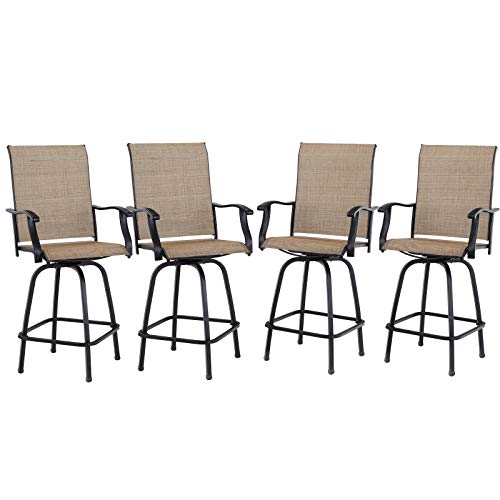
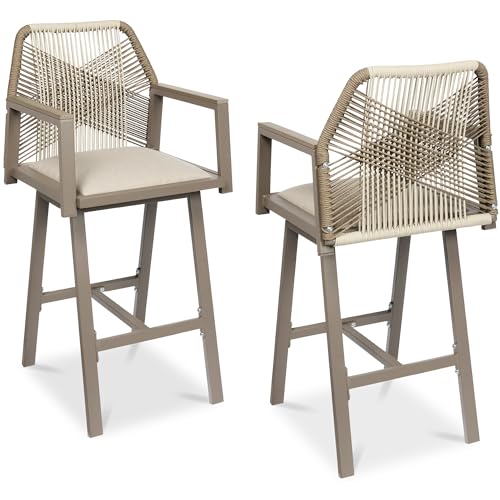
Patio Bar Stools: The Complete Buying Guide
Everything you need to know before choosing patio bar stools — from seat height and frame materials to swivel features and cushion options. Research-backed guidance for buyers who want comfort, durability, and a bar setup that lasts.
Start Your ResearchWhy this guide matters: Patio bar stools are one of the most-used pieces in an outdoor bar setup — and one of the most frequently mismatched. Wrong seat height, unstable legs, or poor cushion quality all lead to discomfort and replacements. This guide walks through every decision point so you buy stools that fit your bar and last for seasons.
What Makes Patio Bar Stools Different?
Patio bar stools are elevated seats designed for bar-height or counter-height outdoor surfaces. Unlike standard dining chairs, they raise guests to the right level for a bar-height patio set with fire pit or a dedicated outdoor bar counter. They can also pair with bar carts to create a complete entertaining station.
Outdoor bar stools must be weather-resistant, stable on uneven ground, and comfortable enough for long conversations. Aluminum, HDPE, teak, and stainless steel are common frame materials. Cushions are often optional but make a big difference in comfort, especially for swivel models.
For larger bar setups, pairing stools with a proper counter or high table completes the scene. Browse our high-top fire pit table and chairs guide for coordinated arrangements.
Key Buying Factors to Evaluate
1. Seat Height and Counter Match
Getting seat height right is the single most important step. Measure your bar or counter, then match:
- Counter height (34 to 36 inches): Use counter stools with a seat height of 24 to 26 inches.
- Bar height (40 to 42 inches): Use bar stools with a seat height of 28 to 30 inches.
- Clearance: Leave 9 to 12 inches between the seat and the underside of the counter for comfortable legroom.
Always confirm the seat height in the product specifications rather than guessing from a photo. Many buyers mistakenly order bar-height stools for a counter-height table or vice versa.
2. Frame Material
The frame determines weight, durability, and weather resistance. Common options include:
- Powder-coated aluminum: Lightweight, rust-resistant, and easy to move — the most popular choice for outdoor bar stools.
- HDPE wicker over aluminum: Woven look with the strength of aluminum. See our wicker and rattan guide for care notes.
- Teak or acacia wood: Warm and naturally weather-resistant. Requires occasional oiling. Review our wood furniture care guide.
- Stainless steel: Heavy-duty and ideal for coastal environments. Choose 304 or 316 grade for salt air.
If portability matters, aluminum wins. For a permanent bar setup, stainless steel and teak are worthwhile investments.
3. Swivel vs Fixed Seats
Swivel stools are a game-changer for entertaining. Consider:
- Full swivel: Easiest for conversation and getting in and out. Look for smooth 360-degree rotation.
- Memory return swivel: Returns to a set position — good for bar counters along a wall.
- Fixed seats: More stable and easier to store. Best for low-traffic setups or where stability matters more than flexibility.
For a social outdoor bar, swivel is often worth the upgrade — mid-range and top-tier swivel stools offer noticeably smoother operation than entry-level models.
4. Seat and Back Design
Bar stools come in a range of seat styles. Consider:
- Backless stools: Tuck completely under the counter and store compactly. Ideal for tight spaces.
- Low-back stools: Add support without blocking sight lines. A balanced choice.
- Full-back stools: Best for long sitting sessions and older guests.
- Footrests: Essential for comfort at bar height. Look for sturdy, wide footrests.
If you plan to add cushions, confirm the seat is compatible with standard cushion shapes. Our patio chair cushions set of 4 and seat cushions set of 2 guides offer sizing references.
5. Stability and Weather Resistance
Outdoor bar stools must stay stable in wind and on uneven surfaces. Look for:
- Wide, splayed legs or a weighted base
- A rust-proof finish on the frame and hardware
- Adjustable feet or glides for uneven patios
- Reinforced joints where the legs meet the seat
Learn more in our weatherproofing guide and UV protection tips. For full setup care, see patio furniture covers.
6. Storage and Space Planning
Bar stools take up space even when not in use. Plan for:
- Tuckability: Backless stools tuck under the counter for a clean look.
- Stackability: Stackable stools save room when the bar is not in use.
- Footprint: Allow 24 to 30 inches of width per stool for comfortable seating.
For compact patios, pair stools with space-saving furniture. A side table near the bar keeps drinks within reach.
Understanding Patio Bar Stool Quality Tiers
Rather than shopping by numerical figures, evaluate patio bar stools by their construction tier and intended use. This classification is used consistently throughout PatioFocus guides.
Essential Bar Stools
Lightweight aluminum frames with simpler seat designs and basic footrests. Best for covered patios and lighter use. Expect simpler welds and thinner cushions — a solid choice for the tier when the stools are used occasionally.
Balanced Bar Stools
Reinforced aluminum frames, smoother swivel mechanisms, and better cushion support. A good fit for year-round patios and regular entertaining. These stools feel stable at the bar and hold up well through seasonal weather.
Premium & Commercial-Grade Stools
High-grade aluminum or stainless steel with heavy-duty swivels, reinforced joints, and premium cushions. Designed for coastal environments and frequent use. A long-term investment for outdoor kitchens and commercial patios.
Patio Bar Stool Comparison
| Frame Material | Best For | Weight Profile | Durability Notes |
|---|---|---|---|
| Powder-coated aluminum | Everyday portability and covered patios | Light | Rust-proof finish; check swivel and footrest welds |
| HDPE wicker over aluminum | Woven-look bar setups | Light to moderate | UV-stable; check weave tightness and frame thickness |
| Teak or acacia wood | Natural, warm bar setups | Moderate | Requires oiling; naturally weather-resistant |
| Stainless steel | Coastal and commercial settings | Heavy | Grade 304 or 316 resists rust; easy to sanitize |
| Reinforced steel | Heavy-duty bar setups | Heavy | Powder coat resists moisture; check weld quality |
Matching Bar Stools to Your Space
Poolside bars: Choose aluminum or HDPE stools with a rust-proof finish. Swivel models are ideal for poolside conversation, and you can pair them with a pool toys setup for family-friendly afternoons.
Covered patios and porches: A full-back stool with cushions offers comfort for long evenings. Pair with outdoor string lights for a warm ambiance and a bar cart for serving.
Outdoor kitchens: Position bar stools along the kitchen counter. Stainless steel or aluminum stools pair naturally with grills and smokers setups and prep areas.
Compact balconies: Backless, stackable stools tuck away neatly. Pair with a side table for a functional micro-bar. Our space-saving furniture guide covers related layout ideas.
Fire pit lounges: Bar-height stools pair with a high-top fire pit table and chairs to create a warm, elevated seating zone. Add outdoor throw pillows on nearby seating for extra comfort.
Pre-Purchase Checklist
- Measure your bar or counter height and match the stool seat height accordingly.
- Confirm 9 to 12 inches of clearance between the seat and the counter.
- Decide between swivel and fixed seats based on how you entertain.
- Choose a frame material suited to your climate and storage situation.
- Check footrest design — essential for bar-height comfort.
- Confirm stackability or tuckability if storage is limited.
- Verify cushion compatibility if you plan to add soft seating.
- Review care and warranty via our delivery and assembly guide.
Researching Brands and Retailers
Quality varies widely between brands, especially in swivel mechanisms and frame finishes. Our brand comparison guide and patio furniture brands overview help you weigh reputation against specification. Buyers who prefer to inspect stools in person should review online retailer reviews and local store options before deciding.
If sustainability is a priority, the sustainable outdoor furniture guide covers recycled aluminum and low-impact materials. For full patio planning, browse our patio essentials checklist.
Frequently Asked Questions
What height bar stool do I need for a patio bar?
Standard bar height tables are around 40 to 42 inches tall and pair with bar stools that have a seat height of 28 to 30 inches. Counter height surfaces are around 34 to 36 inches tall and pair with counter stools at 24 to 26 inches. Always leave 9 to 12 inches of clearance between the seat and the underside of the counter.
What is the best material for outdoor bar stools?
Powder-coated aluminum is the best all-round choice because it is lightweight, rust-resistant, and easy to maintain. HDPE wicker over aluminum is a strong alternative for a woven look, while teak and stainless steel are premium options for a natural or industrial aesthetic.
Should I choose swivel or fixed patio bar stools?
Swivel stools are more comfortable for conversation and entertaining because they let guests turn easily. Fixed stools are usually more stable and easier to store. For a bar used for socializing, swivel is often worth the upgrade.
Can patio bar stools stay outside year-round?
Aluminum, HDPE, and stainless steel bar stools are designed for year-round outdoor use. Wood and wicker options should be covered when not in use. Regardless of material, storing cushions in a waterproof box and covering the stools during harsh weather extends their lifespan.
Do I need cushions for patio bar stools?
Cushions are optional but improve comfort significantly, especially for longer sitting sessions. Add patio furniture seat cushions or seat cushions set of 2 for a soft seat. For full replacement cushion options, see replacement cushions for outdoor furniture.