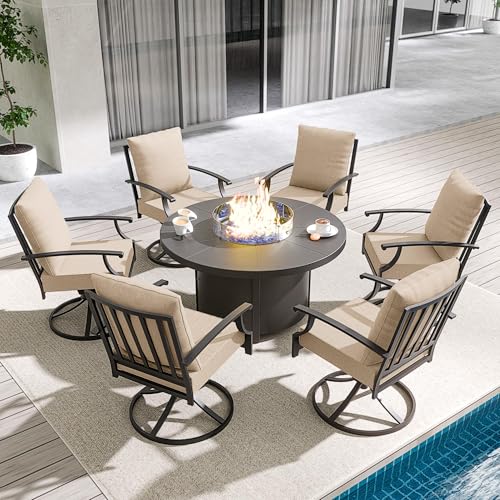
High Top Outdoor Dining Set with Fire Pit: The Complete Buyer's Guide
Everything you need to know before choosing an elevated dining set with a built-in fire feature — sizing, materials, burner types, safety, and how to match one to your patio lifestyle.
Why this combination works: A high top outdoor dining set with fire pit merges the social energy of bar-height seating with the warmth and ambiance of a live flame. Instead of splitting your patio into a dining zone and a separate fire pit lounge, one piece of furniture handles both — which is especially valuable on compact decks and balconies. This guide walks you through the decisions that matter most so you can buy with confidence.
What Exactly Is a High Top Dining Set with Fire Pit?
A high top dining set with fire pit is a coordinated furniture group built around a counter-height or bar-height table — typically 36 to 42 inches tall — paired with matching tall chairs or stools. The table's center section houses a fire feature, which may be a built-in gas burner, a propane fire bowl, a bioethanol insert, or a wood-burning pit recessed into the tabletop.
Because the flame sits at an elevated surface, the fire is further from the ground and from younger children than a standard low fire pit. That design difference is a major reason this category has become popular with families and with hosts who entertain on smaller patios. If you want to compare configurations, browse the full range of high top patio furniture with fire pit options to see how table shapes and seat counts vary.
High Top vs. Standard Height: Which Should You Choose?
Before committing to an elevated set, it helps to understand the trade-offs against a conventional dining table.
- High top advantages: Better views over railings and planters, a more pub-like social feel, easier standing-to-sitting transitions for guests, and a smaller footprint per seat because chairs tuck under the table.
- High top considerations: Chairs need footrests for comfort during long meals, and the taller profile can feel dominant on a very small balcony.
- Standard height advantages: Easier for elderly guests and young children to climb into, and more conventional for formal dining.
- Standard height considerations: Takes up more floor area per seat and often separates the fire feature into a second piece of furniture.
If your priority is maximizing usable space while keeping a fire feature integrated, a high top patio dining set with fire pit is usually the more space-efficient choice. If accessibility for seniors is the top concern, a lower set may serve you better.
Sizing Your Set: Seats, Clearance, and Patio Fit
Getting the dimensions right is the single most common source of buyer regret in this category. Use this framework as a starting point.
| Configuration | Typical Seat Count | Recommended Clear Patio Area | Best For |
|---|---|---|---|
| Compact square or round high top | 2 seats | About 6 x 6 feet | Balconies, small decks, couples |
| Rectangular high top | 4 seats | About 8 x 8 feet | Standard patios, small families |
| Extended rectangular high top | 6 seats | About 10 x 10 feet | Larger patios, regular entertaining |
| Bar-height counter set | 4 to 6 seats | About 9 x 9 feet | Poolside and covered porch settings |
Beyond the table footprint, plan for 30 to 36 inches of walking clearance on all sides so guests can move safely — especially important when a live flame is part of the setup. For tighter spaces, a high top patio table with 4 chairs is often the sweet spot between seating capacity and footprint.
Fire Pit Types: Fuel, Heat, and Practicality
The fire feature inside the table defines how the set performs day to day. Each fuel type carries distinct trade-offs.
Propane and Natural Gas Burners
Gas is the most convenient option for integrated table fire pits. A propane model runs from a hidden tank, while a natural gas model connects to your home's supply line and never needs refilling. Gas burners light instantly, produce no ash, and offer adjustable flame height. They are the best fit for hosts who want ambiance without cleanup. Natural gas installation typically requires a licensed professional, so factor that into your planning.
Bioethanol Inserts
Bioethanol is a clean-burning liquid fuel that requires no venting and no gas line. These burners are popular in apartment and condo settings where gas connections are unavailable. The flame output is smaller than gas, so treat bioethanol as an ambiance feature rather than a primary heat source.
Wood-Burning Tables
Wood delivers the most authentic crackle and scent, and a wood-burning table can produce meaningful radiant heat. The trade-offs are ash cleanup, smoke management, and stricter clearance requirements. Wood tables suit detached backyard patios better than covered porches or balconies.
Whichever fuel you prefer, verify that the burner is rated for outdoor use and that the table includes a flame guard or glass shield. For a deeper comparison of elevated fire table formats, review the options in high top fire pit table and chairs collections.
Materials and Build Quality by Tier
Material choice drives longevity, maintenance needs, and how the set handles weather. Instead of comparing costs, compare the tier of construction each material typically represents.
| Material | Market Tier | Weather Behavior | Maintenance Level |
|---|---|---|---|
| Powder-coated aluminum | Mid-range to premium | Rust-resistant; ideal for humid climates | Low — wipe down seasonally |
| Resin wicker over aluminum frame | Mid-range | UV-stable weaves resist fading and cracking | Low to moderate |
| HDPE (high-density polyethylene) | Entry-level to mid-range | Impervious to moisture and salt air | Very low |
| Wrought iron and steel | Premium to luxury | Heavy-duty; requires rust-proof finish care | Moderate — inspect coatings annually |
| Teak and hardwood | Premium to luxury | Weathers to a silver patina; needs sealing | Moderate — oil or seal yearly |
Aluminum and HDPE are the most forgiving for year-round exposure. Wrought iron offers a classic silhouette but rewards buyers who stay on top of finish maintenance. If you want the timeless look of metal dining furniture, explore high quality wrought iron patio furniture for construction details worth checking. For a broader overview of the premium end of the category, see high-end outdoor furniture.
Construction details that separate tiers include welded versus bolted frame joints, the density and thickness of cushions, the gauge of the tabletop, and whether the fire bowl is removable for cleaning. A mid-range set with welded joints and a removable burner assembly often outperforms a heavier-looking set with a sealed, hard-to-service fire module.
Comfort Details Most Buyers Overlook
High seating changes how your body interacts with the table. A few details make the difference between a set you love and one you tolerate.
- Footrests are essential. At bar height, dangling legs become uncomfortable within 20 minutes. Every chair should have a integrated footrest or rung.
- Seat height must match table height. Counter-height tables (around 36 inches) pair with 24 to 26 inch seats; bar-height tables (around 42 inches) pair with 28 to 30 inch seats. Mismatched combinations strain posture.
- Cushion thickness and drainage. Look for open-cell foam with drainage channels and removable, washable covers. Quick-dry foam prevents the soggy-seat problem after rain.
- Swivel vs. fixed chairs. Swivel chairs make it easier to join conversations around a fire feature. Browse high top patio table with swivel chairs if social flexibility matters to you.
- Table edge design. Rounded or beveled edges reduce bump injuries when guests lean in toward the flame.
If you plan to upgrade seating later, note that cushion sets are sold separately for many models. Reviewing high back patio chair cushions set of 4 can help you budget for a replacement cycle before you commit to a chair frame design.
Placement and Layout Strategy
Where you place the set affects both safety and enjoyment. Consider these layout principles:
- Keep the flame away from wind corridors. A gas flame flickers and wastes fuel in strong crosswinds. Position the table where a wall, planter, or pergola post breaks the breeze.
- Avoid overhead combustibles. Check clearance beneath umbrellas, pergola slats, and tree branches. Even gas flames need vertical clearance per the manufacturer's specification.
- Anchor the set as the patio's focal point. A high top table naturally draws the eye. Place it where it frames a view rather than blocking a walkway.
- Add shade for daytime use. A fire table and midday sun are a poor pairing. If your set has an umbrella hole, a high top patio table and chairs with umbrella configuration lets one set serve both lunch and late evening.
- Consider surface stability. Bar-height furniture has a higher center of gravity. On uneven pavers or gravel, use leveling feet or a stable mat beneath the table.
Safety Checklist Before You Buy
A fire feature is a responsibility as much as an amenity. Run through this list before placing an order:
- Confirm the burner is certified for outdoor use and includes a flame guard, spark screen, or glass wind shield.
- Check the manufacturer's required clearance from walls, railings, and overhead structures — these distances are not optional.
- Verify the table's weight capacity and stability when the fire bowl is full or a propane tank is mounted underneath.
- Plan fuel storage: propane cylinders must be stored upright outdoors, never in enclosed spaces.
- Keep a fire extinguisher within reach and teach household members how to shut off the gas supply.
- Never leave a lit flame unattended, and supervise children and pets around the table at all times.
Maintenance: Keeping the Set Ready Season After Season
An elevated dining set with a fire feature needs a light but consistent care routine.
- Weekly: Wipe the tabletop and burner surround; check for grease or pollen buildup that can affect ignition.
- Monthly: Inspect burner ports for blockage, check hose connections for wear, and clean glass shields on both sides.
- Seasonally: Deep-clean cushion covers, tighten frame fasteners, and touch up any chips in powder coating before rust can start.
- Before winter: Disconnect and store propane tanks, cover the set with a breathable cover, and remove cushions to prevent moisture trapping.
Proper storage is the difference between a set that lasts a decade and one that looks tired after three seasons. Pair your purchase with a fitted cover that allows airflow — sealed plastic traps condensation and encourages mildew.
Matching the Set to Your Lifestyle
The right choice depends less on specifications and more on how you actually use your outdoor space.
- Frequent entertainers: Prioritize a six-seat rectangular set with a gas burner and swivel chairs. The larger surface handles serving dishes, and instant ignition keeps the evening moving.
- Couples and small balconies: A two- or four-seat square set with a compact bioethanol or propane burner maximizes usable floor area. Consider a high top outdoor table and 2 chairs pairing for the tightest layouts.
- Families with young children: Choose a set with a glass flame shield and rounded table edges, and favor propane with a lockable valve for quick shutoff.
- Poolside hosts: Look for HDPE or aluminum construction that shrugs off splashes, and confirm chairs are stable on wet surfaces.
- Year-round users in cold climates: A wood-burning or high-output gas burner provides meaningful heat. If you also want a dedicated lounge area, compare dedicated high top patio set configurations to keep seating consistent across zones.
Frequently Asked Questions
Can a high top dining set with fire pit replace a separate fire pit and dining table?
Yes — that consolidation is the main appeal. One set provides dining, conversation seating, and warmth. The caveat is that the dining surface is shared with the fire feature, so you sacrifice some tabletop space compared with a plain table. If you host large dinner spreads regularly, keep a separate serving cart or side table nearby.
How tall should the chairs be for a high top table?
For a counter-height table around 36 inches tall, choose chairs with a seat height of 24 to 26 inches. For a bar-height table around 42 inches, choose seats of 28 to 30 inches. The gap between seat and tabletop should be roughly 10 to 12 inches for comfortable arm and leg room.
Is a gas or wood-burning table better for a covered porch?
Gas is generally the better fit for covered spaces because it produces no smoke or ash and requires no chimney clearance. Always confirm the manufacturer's overhead clearance specification regardless of fuel type — covered areas still have limits.
Do these sets work on a balcony or apartment terrace?
Yes, provided the set fits your clear floor area and your building allows open flame or gas appliances on terraces. Bioethanol and small propane burners are the most common choices in rental and apartment settings. Check your lease and local fire code before purchasing.
How do I keep the tabletop from staining under the fire bowl?
Choose a set with a removable fire bowl and a drip tray. Clean the surround after each use and avoid placing hot cookware directly on the tabletop. For stone and composite tops, use a pH-neutral cleaner rather than acidic products that etch the surface.
Final Buying Checklist
Before you finalize a purchase, confirm each of these items against the product listing:
- Table height and chair seat height are matched (counter vs. bar).
- Every chair has a footrest and a comfortable back height.
- The fire feature includes a flame guard and is certified for outdoor use.
- Frame material suits your climate and your maintenance willingness.
- Cushions use quick-dry foam and removable, washable covers.
- The footprint fits your measured clear patio area with walking clearance to spare.
- A fitted cover is available for the specific model.
- Clearance requirements are compatible with your walls, railings, and overhead structures.
With those boxes checked, you are ready to choose a set that serves as the centerpiece of your outdoor space for years to come. For more focused comparisons, explore related configurations such as a high top outdoor dining table with fire pit or a high top fire pit table with chairs to see how different brands interpret the same concept.