Lawn Glider Buying Guide: Smooth Outdoor Relaxation
Everything you need to know about choosing a lawn glider — from frame materials and gliding mechanisms to seating capacity and weather resistance. Make a confident, informed decision for your outdoor space.
START EXPLORINGWhy Trust This Guide? A lawn glider is a long-term investment in your outdoor comfort. This guide breaks down the essential factors — construction quality, gliding smoothness, material durability, and design — so you can choose a model that fits your space and lifestyle with confidence. No guesswork, just clear, practical advice.
What Is a Lawn Glider?
A lawn glider is a type of outdoor seating furniture that features a smooth, back-and-forth gliding motion. Unlike a traditional porch swing that hangs from chains or ropes, a glider rests on a sturdy frame equipped with a track or bearing mechanism that allows the seat to glide horizontally. This design provides a stable, controlled motion that is both relaxing and easy to operate.
Lawn gliders are typically designed for two people, though single-seat and three-seat variants exist. They are a popular choice for patios, porches, decks, and gardens because they offer the soothing motion of a swing without the need for overhead support. The gliding mechanism is usually mounted on the base of the frame, with the seat suspended above it on arms or a pivot system.
The appeal of a lawn glider lies in its combination of comfort, stability, and aesthetic versatility. Whether you prefer a classic wooden glider that blends with a rustic lanai or patio setting or a modern metal glider that complements a contemporary outdoor design, there is a model to suit every style.
Types of Lawn Gliders
Lawn gliders come in several distinct styles, each with its own advantages and ideal use cases. Understanding the differences will help you narrow down your options.
1. Traditional Bench Gliders
The most common type, these gliders resemble a standard outdoor bench with a backrest and armrests. They typically seat two people and are available in wood, metal, and wicker. Traditional bench gliders are a classic choice for porches and patios, offering a timeless look and reliable comfort.
2. Glider Chairs
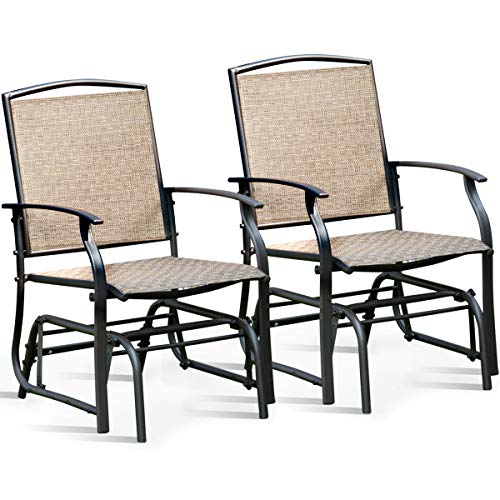
Single-seat gliders, often called glider chairs or glider rockers, are designed for individual relaxation. They are ideal for smaller spaces such as balconies or compact decks. Many glider chairs include a built-in footrest or ottoman for enhanced comfort.
3. Convertible and Multi-Position Gliders
Some premium gliders feature adjustable backrests that allow you to recline or sit upright. These multi-position models are particularly popular for lounging and reading. They often include additional features such as cup holders, storage pockets, or a center console.
4. Canopy Gliders
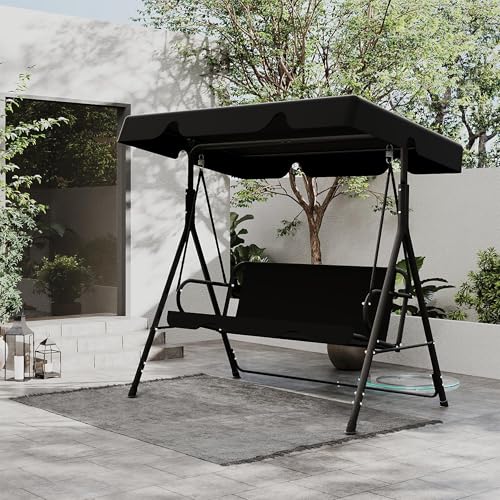
For sun protection, a canopy glider includes a built-in fabric top that shields users from direct sunlight. These are a practical choice for open lawns or poolside areas where shade is limited. Canopy gliders are closely related to lawn chairs with canopy, sharing similar UV-resistant fabric technology.
If you are exploring the broader category of outdoor seating, our guide to lawn furniture provides a comprehensive overview of all the options available, from gliders to loungers and beyond.
Key Buying Factors to Consider
Before you choose a lawn glider, evaluate the following factors to ensure you select a model that meets your needs and stands up to your climate and usage patterns.
Frame Material and Durability
The frame material is the single most important factor in determining the longevity and maintenance requirements of your glider. Here is how the most common materials compare:
- Powder-Coated Steel: Heavy-duty and highly durable, steel frames are ideal for windy areas and heavy use. Look for a rust-proof finish or galvanized coating to prevent corrosion over time.
- Aluminum: Lightweight, rust-resistant, and easy to move. Aluminum gliders are a good choice for humid or coastal environments, though they may be more susceptible to dents than steel.
- Wood: Provides a classic, natural look. Hardwoods such as teak, acacia, and eucalyptus are naturally weather-resistant, while softer woods require regular sealing. Wood gliders are a long-term investment but need annual maintenance.
- Wicker and Rattan: Synthetic resin wicker is weather-resistant and lightweight, offering a woven, textured appearance. Natural rattan is less durable outdoors and should be sheltered from direct rain.
- Resin and Plastic: Entry-level resin gliders are lightweight and weather-resistant but may become brittle over time in extreme temperatures. They are a good starter-tier option for casual use.
Gliding Mechanism
The smoothness and durability of the gliding motion depend on the quality of the mechanism. Most gliders use one of two systems: ball-bearing tracks or nylon bushings. Ball-bearing mechanisms offer the smoothest, quietest glide and are typically found in mid-range and premium models. Nylon bushings are common in entry-level gliders and can become noisy over time if not lubricated.
When evaluating a glider, look for a mechanism that is fully enclosed or well-protected from debris. Exposed tracks can collect dirt and leaves, leading to a rough or squeaky motion. A well-designed glider should glide smoothly with minimal effort and without excessive noise.
Seating Capacity and Comfort
Most lawn gliders seat two adults comfortably. Check the manufacturer's stated weight capacity — entry-level models typically support around 400 to 500 pounds, while premium models with reinforced frames can support 600 to 800 pounds or more. Consider the seat depth and backrest height, especially if you plan to use the glider for extended lounging or reading.
Cushions can significantly enhance comfort. Look for models with high-density foam cushions and removable, washable covers. If the glider does not include cushions, ensure that replacement cushions are readily available in the correct size.
Weather Resistance and Maintenance
Outdoor furniture must withstand sun, rain, and temperature fluctuations. Choose a glider with a weather-resistant coating or finish appropriate for your climate. In coastal areas, aluminum and powder-coated steel are preferable to wood or natural wicker. In regions with harsh winters, consider a glider that can be easily covered or stored.
Regular maintenance extends the life of any glider. Lubricate the gliding mechanism periodically with a silicone-based lubricant, clean the frame with mild soap and water, and touch up any scratches on metal surfaces to prevent rust. For wood gliders, apply a weather-resistant sealant annually.
Pro Tip: If you live in a windy area, choose a heavier glider with a wide base for stability. Steel frames are generally more stable than aluminum in gusty conditions.
Lawn Glider Tier Comparison
To help you understand the differences between entry-level, mid-range, and premium lawn gliders, the table below outlines the typical characteristics of each tier. This classification is based on construction quality, materials, and features — not on numerical figures.
| Tier | Frame Material | Gliding Mechanism | Best For |
|---|---|---|---|
| Entry-Level / Starter Tier | Resin, plastic, or thin-gauge steel | Basic nylon bushings | Casual use, light-duty seating, seasonal setups |
| Mid-Range / Balanced Tier | Powder-coated steel or aluminum | Ball-bearing tracks or upgraded bushings | Regular daily use, family patios, moderate climates |
| Premium / Top-Tier | Heavy-duty steel, teak, or high-grade aluminum | Enclosed ball-bearing system with smooth glide | Heavy use, windy areas, long-term outdoor placement |
| Luxury / Flagship Tier | Marine-grade materials, solid hardwood, artisan wicker | Precision-engineered sealed bearings | Year-round exposure, high-end landscaping, commercial-grade use |
As you move up the tiers, you can expect smoother gliding action, more durable finishes, and better overall construction. However, a mid-range glider often offers excellent value for its class and is more than sufficient for most residential settings. The key is to match the tier to your intended use and climate.
Placement and Space Planning
Before purchasing a lawn glider, measure your available space carefully. A typical two-seat glider requires a footprint of approximately 4 to 5 feet in width and 2 to 3 feet in depth, plus additional clearance for the gliding motion. Ensure there is at least 12 to 18 inches of clearance behind the glider so the seat can move freely without hitting a wall or railing.
Consider the surface where the glider will rest. A flat, level surface — such as a concrete patio, wooden deck, or stone pavers — is essential for smooth gliding. Uneven ground can cause the mechanism to bind or wear prematurely. If you plan to place the glider on grass or gravel, consider a stabilizing mat or a dedicated platform.
For small spaces, a single-seat glider chair or a compact bench glider may be a better fit. If you have a larger outdoor area, you might pair a glider with other seating options, such as a lounge chair or a large outdoor table for dining and entertaining. Our guide to lawn chairs can help you coordinate additional seating.
Maintenance Tips for Longevity
A well-maintained lawn glider can provide years of comfortable outdoor relaxation. Follow these practical maintenance guidelines:
- Clean regularly: Wipe down the frame and seating surfaces with a damp cloth and mild soap. Avoid abrasive cleaners that can damage protective coatings.
- Lubricate the mechanism: Apply a silicone-based lubricant to the gliding track or bearings every few months, or more frequently in dusty environments. Avoid oil-based lubricants, which can attract dirt.
- Protect from the elements: Use a fitted cover when the glider is not in use, especially during winter or extended periods of rain. If possible, store cushions indoors.
- Inspect for wear: Periodically check the frame for rust, loose bolts, or cracks. Tighten any loose hardware and touch up paint or finish as needed.
- Wood care: For wooden gliders, apply a weather-resistant sealant or oil annually to prevent drying, cracking, and fading.
If you are comparing gliders to other types of outdoor seating, you may also find our guide to longest-lasting outdoor furniture materials helpful for understanding material durability across the board.
Frequently Asked Questions
What is a lawn glider?
A lawn glider is a type of outdoor seating furniture that features a smooth, back-and-forth gliding motion. Unlike a traditional porch swing that hangs from chains, a glider rests on a sturdy frame with a track or bearing mechanism that allows the seat to glide horizontally. It is typically designed for two people and is a popular choice for patios, porches, decks, and gardens.
What is the difference between a glider and a rocking chair?
A glider moves in a smooth, horizontal back-and-forth motion along a track or bearing system, while a rocking chair moves in a curved, arcing motion on rockers. Gliders are generally considered more stable and easier to get in and out of, making them a preferred choice for seniors and families with young children. The gliding motion is also typically smoother and more controlled than rocking.
How much weight can a lawn glider hold?
Weight capacity varies by model and construction quality. Entry-level gliders typically support around 400 to 500 pounds, while mid-range and premium models with reinforced steel or heavy-duty aluminum frames can support 600 to 800 pounds or more. Always check the manufacturer's stated weight capacity before purchasing, and consider that the capacity is usually distributed across the entire bench.
How do I maintain a lawn glider?
Maintenance depends on the frame material. For metal frames, wipe down with a damp cloth and mild soap, and touch up any scratches to prevent rust. For wood frames, apply a weather-resistant sealant annually. Lubricate the gliding mechanism periodically with a silicone-based lubricant. Store cushions indoors during off-season and use a fitted cover to protect the glider from harsh weather.
Can a lawn glider be left outside in winter?
It depends on the construction. Powder-coated aluminum and high-grade steel gliders with rust-proof finishes can generally remain outdoors year-round with a protective cover. Wood gliders should be covered or stored in a sheltered area to prevent moisture damage and cracking. Wicker and resin models are typically weather-resistant but may become brittle in extreme cold, so covering or storing them is recommended.
Ready to Find Your Perfect Lawn Glider?
Now that you understand the key factors — frame materials, gliding mechanisms, seating capacity, and weather resistance — you are equipped to make a confident choice. Browse our recommended lawn glider options below and enjoy smooth, relaxing outdoor comfort for years to come.
Explore Top Picks