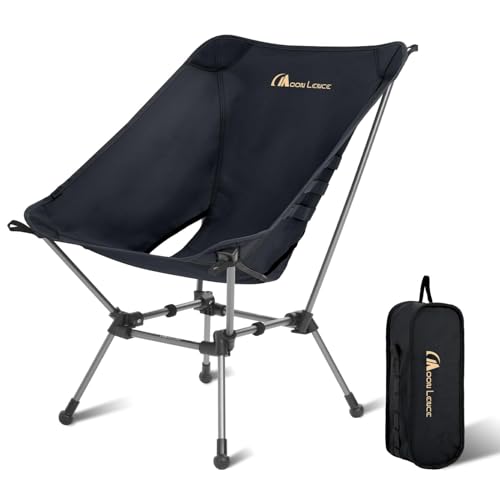
Lightweight Camping Chair: Your Complete Buying Guide
Find the perfect balance of portability, comfort, and durability. This guide walks you through frame materials, packed size, weight capacity, and the features that actually matter when you carry your chair to the campsite.
Explore Top OptionsWhy a dedicated lightweight camping chair matters: A standard folding chair can weigh more than your tent and sleeping pad combined. If you hike, backpack, or simply have limited trunk space, a purpose-built lightweight camping chair transforms your outdoor experience without weighing you down.
This guide is written for campers who already know they want a lighter chair but need help understanding the trade-offs. We break down materials, frame types, comfort variables, and the practical details that separate a good chair from a frustrating one.
What Makes a Camping Chair "Lightweight"?
The term "lightweight" is relative. For a car camper, a seven-pound chair feels light. For a backpacker covering ten miles a day, anything above two pounds is a burden. Rather than chase a single number, focus on the ratio of weight to comfort and durability for your specific use case.
Most lightweight camping chairs fall into three broad categories based on their intended use:
Car Camping & Festival Chairs
Foldable designs with a steel or aluminum frame, typically weighing five to eight pounds. These prioritize comfort and a familiar folding mechanism. Good value for its tier, ideal if you drive to your campsite.
Portable & Compact Chairs
Aluminum frames with a packed size comparable to a water bottle. Weighing two to four pounds, these balance comfort and portability. A solid choice for weekend hikers and casual backpackers.
Ultralight & Backpacking Chairs
Sub-two-pound designs using advanced aluminum alloys, carbon fiber, or titanium. Packed size is minimal, often fitting inside a side pocket. These are a long-term investment for serious backcountry travelers.
Frame Materials: The Core of Lightweight Design
The frame determines the chair's weight, strength, and longevity. Here is how the common materials compare:
| Material | Typical Use | Durability | Weight Profile | Best For |
|---|---|---|---|---|
| Powder-Coated Steel | Starter tier | High | Heaviest | Car camping, festival seating |
| Aluminum Alloy (6061/7075) | Mid-tier & top-tier | Moderate to high | Light | Backpacking, hiking, motorcycle camping |
| Carbon Fiber | Top-tier | Moderate (impact-sensitive) | Ultralight | Gram-counting backpackers |
| Titanium | Top-tier & luxury | High | Ultralight | Long-distance thru-hikers |
For most campers, aluminum alloy frames offer the best balance. They are significantly lighter than steel, resist corrosion, and handle the stresses of regular use without the brittle failure risk of carbon fiber. If you want a chair that doubles as a long-term investment, look for reinforced joints and a weather-resistant coating on the frame.
Key Features to Evaluate Before You Buy
Weight Capacity and Stability
Always check the stated weight capacity. A lightweight chair with a capacity near your body weight will feel less stable over time. Look for chairs with a capacity that exceeds your weight by at least 25–30%. Wide feet or a hub-and-spoke base design improve stability on uneven ground.
Seat Height and Depth
Low-slung backpacking chairs save weight but can be difficult to get out of, especially for taller users or those with knee issues. Mid-height chairs (around 15–17 inches from the ground) are easier to stand up from and work well for general camping. Consider your comfort and mobility needs, not just the weight figure.
Packed Size and Carry Method
A chair that weighs two pounds but packs to the size of a sleeping bag is not practical for backpacking. Look for chairs that collapse into a stuff sack or integrated carry bag small enough to strap to the outside of your pack. Some ultralight models pack down to the size of a 1-liter bottle.
Fabric and Weather Resistance
Most lightweight chairs use ripstop nylon or polyester. These fabrics are strong for their weight but can degrade under prolonged UV exposure. A weather-resistant coating helps, and some models offer breathable mesh panels for hot climates. If you camp in wet conditions, check that the fabric dries quickly and does not stretch when damp.
Assembly Mechanism
Shock-corded poles are the most common assembly method for lightweight chairs. They are fast to set up but can be less durable than frame designs with locked joints. Test the assembly process mentally: does it require two hands? Can you do it while wearing gloves? These details matter in cold or rainy conditions.
- Reinforced stress points at the seat corners and leg junctions
- Anti-slip feet or mud baskets for soft ground
- Integrated cup holder (rare on ultralight models, common on mid-tier)
- Breathable mesh back panels for ventilation
- Storage pocket or gear loops for small items
Comfort vs. Weight: Finding Your Balance
Every ounce saved typically comes at the expense of something else: seat width, back height, armrests, or padding. A chair that weighs under two pounds often has a narrow seat and no armrests. That is acceptable for a quick rest stop but may not suit a full evening around the campfire.
Consider how you will use the chair most often:
- Backpacking and thru-hiking: Prioritize packed size and weight. Accept a minimalist seat and no armrests.
- Weekend camping: A mid-tier chair weighing three to four pounds offers a good balance of comfort and portability.
- Car camping and base camp: A heavier, more feature-rich chair is fine because you are not carrying it far. Focus on comfort and durability.
If you need a chair that transitions between settings, look for a mid-tier model with a slightly wider seat and a higher back. You can also explore related outdoor seating options like outdoor camping chairs and camping chairs with a canopy for sun protection.
Care and Maintenance for Longevity
A lightweight camping chair is an investment. Simple habits extend its life:
- Clean the frame and fabric after each trip, especially if used near saltwater or in muddy conditions.
- Dry the chair fully before storage to prevent mold and corrosion.
- Store it loosely in a dry place rather than compressed in its stuff sack for long periods.
- Inspect the shock cords and pole connections regularly for wear.
- Apply a silicone-based lubricant to metal joints if they begin to stick.
For broader outdoor furniture care, see our guide on outdoor weatherproofing.
Ready to Choose Your Lightweight Camping Chair?
Browse our curated selection of top-rated lightweight camping chairs below. Each option is chosen for its balance of portability, comfort, and durable construction.
View Recommended ChairsFrequently Asked Questions
How much should a lightweight camping chair weigh?
It depends on your use. For backpacking, aim for under two pounds. For general camping, three to five pounds is reasonable. Car campers can comfortably use chairs up to eight pounds.
Is aluminum better than steel for a camping chair?
Aluminum is significantly lighter and resists rust, making it the preferred choice for portable chairs. Steel is heavier but often more durable and stable, which suits car camping where weight is less of a concern.
Can a lightweight chair support a heavy person?
Yes, but check the stated weight capacity carefully. Look for chairs rated at least 25–30% above your body weight. Reinforced frames and wider bases improve stability for heavier users.
What is the most compact camping chair?
Ultralight backpacking chairs using aluminum or carbon fiber poles pack down to roughly the size of a 1-liter water bottle. These are the most compact options available.
Do lightweight camping chairs have a warranty?
Many reputable brands offer limited warranties covering manufacturing defects. Check the warranty terms before purchasing, and keep your receipt. Fabric wear and tear is typically not covered.