Outdoor Camping Chairs: The Complete Buying Guide
Find the right seat for every adventure. From ultralight backpacking models to heavy-duty comfort thrones for car camping, this guide breaks down frame materials, weight capacities, portability, and comfort features so you can buy with total confidence.
Explore the GuideWhy this guide matters: A camping chair is one of the few pieces of outdoor gear you use every single day of a trip. It holds your body weight, sits on uneven ground, and faces sun, rain, and campfire sparks. Choosing poorly means discomfort, instability, or a chair that fails after one season.
This guide walks you through the real decision points — frame material, weight rating, packed size, fabric durability, and comfort extras — so you can match a chair to how you actually camp. Whether you need a featherweight seat for a thru-hike or a recliner with a footrest for tailgating, the right answer is here.
Types of Outdoor Camping Chairs
Not all camping chairs serve the same purpose. The first decision is matching the chair’s design to your camping style. Here are the main categories you will encounter, each with a typical market position.
Basic Folding Camping Chairs
The classic folding chair with a steel or aluminum X-frame and a simple fabric seat. These are the most common chairs at campgrounds and festivals.
Best for: Casual campers, festival-goers, and anyone who needs a reliable seat without extra features. Solid choice for the tier.
Lightweight Backpacking Chairs
Designed to pack small and weigh very little, these chairs use aluminum or titanium frames and ripstop nylon seats. Some assemble like a mini tent.
Best for: Backpackers, bikepackers, and hikers who need a seat that disappears into a pack. Feature-rich for its class.
Heavy-Duty & Oversized Chairs
Built with reinforced steel frames, wider seats, and higher weight ratings. These are the comfort kings of car camping and basecamp setups.
Best for: Car campers, larger users, and anyone who wants a stable, roomy seat that lasts many seasons.
Camping Chairs with Canopy
These add a sunshade that clips or folds over the head and shoulders. Ideal for beaches, sports sidelines, and open fields.
Best for: Beach days, outdoor sporting events, and hot-weather camping where shade is scarce.
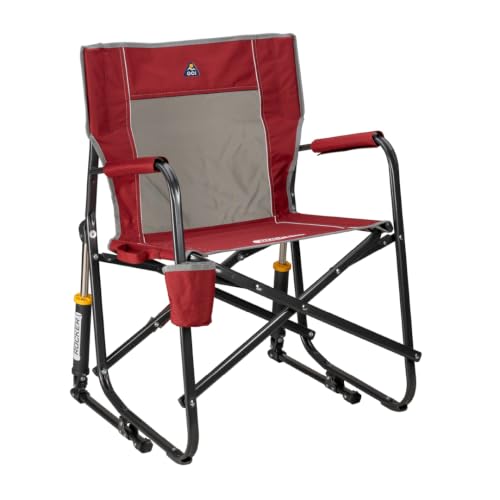
Reclining & Rocking Camping Chairs
These bring living-room comfort outdoors with reclining backs, rocker bases, footrests, and padded armrests.
Best for: Car camping, RV trips, and tailgating where comfort outranks portability.
Club-Style & Low-Profile Chairs
A favorite for beach and festival use, these sit close to the ground with a wide, bucket-style seat and a low center of gravity.
Best for: Sandy ground, concerts, and relaxed lounging where stability on soft surfaces matters.
Editorial Note
If you camp in more than one way — say, backpacking in summer and car camping in fall — owning two chairs from different tiers is often smarter than trying to find one compromise chair. A lightweight camping chair and a heavy-duty camping chair together cover nearly every scenario.
Key Buying Factors to Evaluate
Before comparing specific chairs, understand the variables that determine whether a chair will work for you. These factors interact with each other, so weigh them together rather than in isolation.
- Weight capacity rating: Always check the manufacturer’s stated limit and leave a safety margin. Heavy-duty and professional-grade models typically publish higher ratings and use reinforced stitching at stress points.
- Chair weight: For backpacking, every pound counts; for car camping, a heavier chair is usually fine. Ultralight models often sit in the mid-range tier, while heavy-duty chairs trade weight for stability.
- Packed size: Consider the folded length and diameter, not just the weight. A chair that packs into a long cylinder may not fit in a small trunk or bike pannier.
- Seat height and width: Low seats are stable on soft ground but harder to get out of. Wider seats suit larger users. Measure your preferred seat height against the chair specs.
- Back height and support: A taller back supports the shoulders and neck during long sits. Reclining models offer adjustable back angles for lounging.
- Frame material and construction: Aluminum balances strength and weight; steel is heavier but very durable; titanium is the lightest premium option. Look for powder-coated or rust-proof finishes.
- Fabric durability: Ripstop nylon and polyester are common; heavier denier fabrics resist abrasion better. Check for UV-resistant and water-repellent treatments.
- Ground contact and stability: Wide feet or mud guards prevent sinking into soft ground. Rocker bases and low-profile designs improve stability on uneven terrain.
Frame & Fabric Materials Explained
The materials determine how a chair performs over time. Here is how the common options compare:
Aluminum Frames
The most common frame material for lightweight and mid-range chairs. Aluminum offers an excellent strength-to-weight ratio and resists corrosion, especially when anodized or powder-coated.
Trade-off: Thinner aluminum can dent under heavy impact; look for reinforced joints on heavy-duty aluminum models.
Steel Frames
Found in entry-level folding chairs and heavy-duty oversized models. Steel is strong and holds up to rough handling, but it is heavier and can rust if the coating chips.
Trade-off: Choose powder-coated steel and dry the frame thoroughly after rain to prevent corrosion.
Titanium Frames
Reserved for premium ultralight backpacking chairs. Titanium is lighter than aluminum and extremely strong, but the material puts these chairs in the high-end tier.
Trade-off: The weight savings are real, but the seat fabric and joints still need care on rough ground.
Ripstop Nylon & Polyester Fabric
The standard for seat and back panels. Ripstop weaves resist tearing, and higher denier counts add abrasion resistance. Polyester tends to hold color and resist UV fading well.
Trade-off: Thin fabrics save weight but wear faster; heavy denier fabrics add durability at a slight weight penalty.
Comfort Features That Actually Matter
Comfort is personal, but some features consistently improve the camping experience. Prioritize these based on how long you sit and where you camp.
- Padded armrests: Noticeable on longer sits; especially valuable on heavy-duty and reclining chairs.
- Cup holders and side pockets: Keep drinks, phones, and snacks off the ground. A cooler pouch is a bonus on premium models.
- Adjustable back angle: Reclining chairs let you shift from upright eating to full lounging without moving furniture.
- Headrest or neck support: Common on luxury tier chairs and helpful for taller users.
- Breathable mesh panels: Improve airflow in hot weather; mesh backs dry faster after rain.
- Footrests: Found on reclining and rocker models; they transform a camp chair into a lounger.
- Mud guards or wide feet: Prevent the legs from sinking into sand, mud, or soft forest floor.
Tier Comparison at a Glance
The table below summarizes how chairs in each market tier typically compare. Use it as a quick reference when narrowing down your options.
| Tier | Typical Build | Best For | Portability | Durability |
|---|---|---|---|---|
| Entry-Level | Basic steel or aluminum X-frame, simple fabric seat | Casual campers, festivals, occasional use | Moderate; folds flat but is not ultralight | Adequate for light use; may need replacement after a few seasons |
| Mid-Range | Aluminum frame, ripstop nylon, some padding | Backpackers, day hikers, weekend campers | High; packs small and weighs little | Good; reinforced joints improve longevity |
| Premium | Reinforced steel or heavy aluminum, padded fabric, extras | Car campers, larger users, families | Lower; heavier and bulkier | High; solid build and weather-resistant coating |
| Luxury | Heavy-duty frame, reclining mechanisms, plush padding | RV travelers, tailgaters, long-stay campers | Low; designed to stay put | Very high; built for many seasons of use |
| Professional-Grade | Commercial-grade components, high weight ratings | Outfitters, group leaders, heavy daily use | Varies; some packable options exist | Exceptional; designed for repeated field use |
Portability & Packed Size: Matching Chair to Trip
Portability is the single biggest divider between camping chair categories. Think about how the chair will travel before anything else.
- Backpacking trips: Target a lightweight camping chair that packs to the size of a water bottle and weighs roughly two to three pounds. Aluminum or titanium frames dominate this class.
- Car camping: Packed size matters less than comfort. A heavy-duty camping chair with padded armrests and a high back is a better fit for a weekend at a drive-in site.
- Beach and festival days: A low-profile club chair or a lightweight folding model with a carry strap is easiest to haul across sand and crowds.
- Tailgating and RV use: Reclining and rocking chairs with footrests shine here, since they rarely need to be carried far.
- Bikepacking: Look for chairs that strap to a handlebar or seat pack; compact packed dimensions matter more than raw weight.
If your outdoor space at home also needs seating, our guides to porch chairs and patio chair sets cover permanent outdoor seating that pairs well with a camping chair collection.
Care & Storage Tips for Longevity
A well-cared-for camping chair can last many seasons. These habits make the biggest difference:
- Dry before storage: Moisture trapped in folded fabric leads to mildew and frame corrosion. Wipe down and air-dry fully after every wet trip.
- Clean the frame: A damp cloth removes dirt and salt; pay attention to joints where grit accumulates.
- Inspect stress points: Check stitching at the seat corners and the frame joints periodically. Repair small tears early with a fabric patch.
- Store indoors: Keep chairs out of direct sun and rain when not in use; UV exposure degrades fabric over time.
- Use the carry bag: The included bag protects the fabric during transport and keeps dirt off your other gear.
- Apply fabric protection: A UV-resistant fabric spray can extend the life of the seat material, especially on chairs used in full sun.
For related outdoor maintenance advice, see our outdoor weatherproofing guide and our tips on patio setup and care.
Pre-Purchase Checklist
- Confirm the weight capacity rating and leave a safety margin
- Check the chair’s own weight against your carrying distance
- Measure packed length and diameter against your vehicle or pack
- Verify seat height and back height suit your body size
- Decide whether a canopy, footrest, or reclining back is a must-have
- Look for powder-coated or rust-proof frame finishes
- Check for reinforced stitching at seat corners and frame joints
- Read reviews about stability on soft or uneven ground
- Confirm a carry bag is included and sized for the chair
- Consider whether one chair or two tier-specific chairs fit your camping style
Frequently Asked Questions
What type of camping chair is best for backpacking?
For backpacking, prioritize a lightweight camping chair that packs down small and uses aluminum or titanium frame construction. Look for models under three pounds with a compact carry bag. These entry-level and mid-range ultralight designs sacrifice some comfort features for portability, which is the right trade-off when every ounce counts.
Are heavy-duty camping chairs worth it for car camping?
Absolutely. When you drive to your campsite, weight is far less important than comfort and stability. A heavy-duty camping chair with a reinforced steel frame, padded armrests, and a high weight capacity delivers a far more relaxing experience around the fire. Premium and luxury tier models often include cup holders, cooler pouches, and reclining backs.
How do I choose a camping chair for tall or heavy users?
Look for chairs explicitly rated for higher weight capacities and with a wider seat and taller back. Heavy-duty and professional-grade models use high-grade steel frames and reinforced stitching. Check the seat height and back height measurements, as many standard chairs sit too low and have short backs for taller users.
What is the advantage of a camping chair with a canopy?
A camping chair with a canopy provides built-in sun protection, which is invaluable at the beach, on the sidelines, or at open-field festivals. Most canopies are adjustable or removable. These chairs sit in the mid-range to premium tiers and add some bulk, so they are best suited to car camping and day trips rather than backpacking.
How should I care for my outdoor camping chair?
Wipe down the frame with a damp cloth after each trip, especially if it has been exposed to saltwater or mud. Allow the fabric to dry fully before folding and storing to prevent mildew. For extended storage, keep the chair in a dry, covered space. Applying a fabric protector spray can extend the life of the seat material.
When you are ready to compare specific models, the product grid below highlights a selection of outdoor camping chairs across categories. If your backyard also needs permanent seating, explore our patio furniture sets and outdoor table and chairs sets for a cohesive outdoor space.