Outdoor Bench Seat Buying Guide: Choosing the Right Seat for Your Space
An outdoor bench seat is one of the most versatile pieces you can add to a patio, deck, porch, or garden border. It anchors a quiet reading corner, adds casual seating around a fire pit, and provides a natural transition between architecture and landscape. Unlike bulky sectional sofas, a bench offers seating without dominating the footprint, which makes it especially useful for smaller yards and apartment terraces.
This guide walks you through the decisions that matter most: material durability, seat dimensions, backrest options, cushion choices, and placement strategy. By the end, you will understand which bench configuration fits your site conditions and how to evaluate quality before you commit.
Why an Outdoor Bench Seat Deserves a Place in Your Plan
Benches solve a specific problem that chairs and sofas often cannot: they provide shared seating in a narrow footprint. A 48-inch bench seats two adults comfortably while occupying less depth than a pair of lounge chairs. That efficiency makes benches ideal for garden paths, porch edges, and transitional zones between the lawn and the patio.
Benches also invite conversation. Because occupants sit side by side rather than angled away from one another, a bench naturally supports face-to-face interaction. For families with children, a bench at the edge of a play area creates a supervision spot without blocking movement. For gardeners, a bench near a raised bed offers a resting point during long afternoons of pruning and planting.
If you are building out a broader seating plan, consider pairing a bench with complementary pieces such as outdoor accent tables for drinks and small items, or an outdoor coffee table with storage to anchor a conversational grouping. Benches rarely stand alone well; they perform best when integrated into a layered seating arrangement.
Core Materials Compared: Wood, Metal, Wicker, and Concrete
Material choice drives longevity more than any other factor. Each material family has distinct strengths, weaknesses, and maintenance rhythms. Use the table below to compare the primary options against your climate and upkeep preferences.
| Material | Market Tier | Best For | Maintenance Rhythm |
|---|---|---|---|
| Teak & Cedar | Premium | Long-term garden installations; natural aesthetic | Oil annually or let it patina |
| Powder-Coated Aluminum | Mid-range | Coastal and humid climates; lightweight repositioning | Wipe down seasonally |
| Wrought Iron & Steel | Mid-tier | Traditional porches and formal gardens | Touch up paint; inspect for rust |
| All-Weather Wicker | Essential tier | Covered porches; textured, casual looks | Rinse and air-dry |
| Concrete & Stone | High-end tier | Permanent placement; heavy-use public spaces | Seal periodically; minimal cleaning |
| Recycled Plastic | Starter tier | High-traffic family yards; low-upkeep setups | Soap and water rinse |
Wood Benches: Teak, Cedar, and Acacia
Hardwoods remain the benchmark for garden benches. Teak contains natural oils that repel moisture and insects, which is why it performs well in wet climates. Cedar offers similar rot resistance at a lighter weight and develops a silver-gray patina if left untreated. Acacia is a solid mid-range option with dense grain and a warm tone, though it benefits from annual sealing in harsh sun.
Wood benches pair naturally with other timber elements in a landscape. If your patio already includes wooden furniture, matching the species keeps the visual language consistent. For a coordinated look, browse concrete bench options only when you want a contrasting, monolithic anchor.
Metal Benches: Aluminum, Steel, and Iron
Powder-coated aluminum is the lightest durable option. It resists rust, moves easily for lawn mowing, and suits coastal environments where salt air degrades lesser metals. Wrought iron and steel deliver a classic silhouette but require periodic paint touch-ups to prevent oxidation. If you live near the ocean, prioritize aluminum or stainless hardware over standard steel.
Wicker, Resin, and Concrete
All-weather wicker over an aluminum frame provides a textured, relaxed look that suits covered porches and sunrooms. Resin and recycled plastic benches are the most forgiving in family settings, shrugging off spills and heavy use. Concrete and cast stone benches are effectively permanent: they resist wind, require little upkeep, and suit formal gardens, but they are difficult to relocate once set.
Climate check: In freeze-thaw climates, avoid hollow metal legs that can trap water. In coastal zones, choose aluminum or teak over steel. In intense sun, dark-colored surfaces heat up quickly and may be uncomfortable against bare skin.
Sizing and Proportions: Getting the Fit Right
Bench dimensions determine both comfort and circulation. A standard outdoor bench seat runs 48 to 60 inches wide and seats two to three adults. Benches of 72 inches or more seat three to four people and work well along long garden walls or the edge of a large deck.
Depth matters as much as width. Seat depth between 17 and 20 inches suits most adults; deeper seats encourage lounging but may leave shorter users with their feet dangling. Seat height between 17 and 18 inches allows most people to sit with feet flat on the ground. If you plan to use cushions, factor in two to three inches of added height.
Bench Width by Use Case
- Entryway or porch (2 adults): 48 inches wide, 20-inch depth
- Garden border or path (2–3 adults): 60 inches wide, 18-inch depth
- Large deck or patio (3–4 adults): 72 inches or wider
- Dining companion bench: 60–72 inches to match table length
Leave at least 18 inches of clearance in front of the bench so people can sit down without stepping around obstacles. If the bench sits against a wall, confirm that the backrest angle does not force shoulders away from the surface. For tight corners, a backless design is often the more practical choice.
Backrest or Backless? Matching the Bench to Its Role
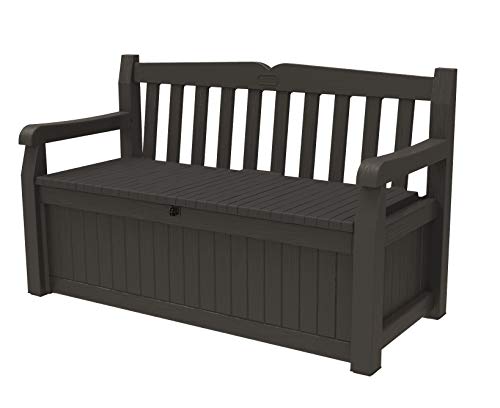
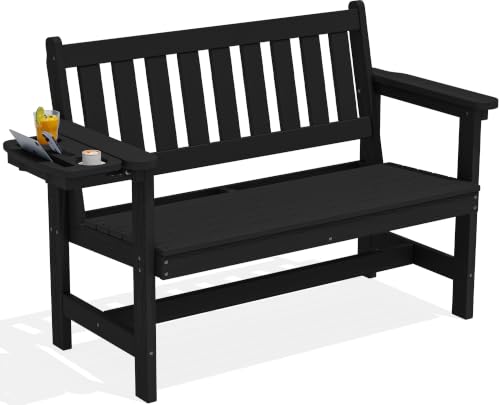
Backrests change how a bench functions. A bench with a backrest supports the lumbar region and invites longer sitting sessions, which makes it the better choice for reading corners, morning coffee spots, and conversation areas. Backrest height matters: low backs preserve sightlines and look contemporary, while high backs provide more support and a traditional feel.
Backless benches are the workhorses of outdoor design. They tuck under dining tables, serve as foot-of-bed seating on covered porches, and double as low tables when topped with a tray. They are also easier to store and reposition. If you expect the bench to serve multiple functions across seasons, a backless model offers more flexibility.
Armrests are a separate decision. Benches with arms are easier to rise from, which matters for older users, but they limit the number of people who can sit at the ends. If you need a bench that supports a wide range of guests, an armless design with a solid backrest is usually the safer bet.
Cushions, Comfort, and Fabric Choices
A bench without a cushion is a hard seat; a bench with the wrong cushion is a maintenance burden. Look for cushions with closed-cell foam cores and solution-dyed acrylic covers. Solution-dyed fabrics hold color under UV exposure, while closed-cell foam resists water absorption and drying times.
Thickness is a comfort trade-off. Two-inch cushions suit occasional seating and keep the bench profile slim. Three-inch cushions provide more support for long lounging sessions but add bulk. If the bench sits under an umbrella or a porch roof, standard outdoor fabric works well. For fully exposed benches, specify water-repellent covers and plan to bring cushions indoors during heavy rain.
Cushion tie-downs are a small feature with outsized value. Straps or ties keep the cushion from sliding and prevent wind from lifting it off the seat. If your bench has a slatted seat, choose a cushion with a textured underside to reduce slipping.
Placement Strategy: Where Benches Work Best
The most common placement mistake is treating a bench as an afterthought. Benches perform best when they have a purpose: facing a view, defining an edge, or supporting an activity. A bench at the end of a garden path creates a destination. A bench along a porch railing frames the entry. A bench near a fire pit extends the seating ring without crowding it.
Patio and Deck Placement
On a patio, place the bench perpendicular to the main seating group rather than inside it. This creates a secondary conversation zone without blocking circulation. Pair it with an outdoor small table for drinks. If the patio is long and narrow, a bench along one edge preserves open floor space for movement.
Garden and Lawn Placement
In a garden, benches should sit on level, well-drained ground. Wooden legs set directly on soil will wick moisture and rot; set them on stone pads or gravel. Position the bench so it faces a focal point such as a fountain or a planted bed, and leave room behind it for plants to soften the silhouette.
Porch and Entryway Placement
A porch bench should not obstruct the door swing or the path to the steps. Keep at least 36 inches of clear width for the main walkway. A bench beside the front door creates a welcoming pause point and provides a place to set bags while unlocking the door.
Durability, Care, and Seasonal Maintenance
Every outdoor bench needs some maintenance, but the rhythm varies by material. Wood requires annual cleaning and optional oiling. Metal needs periodic inspection for scratches and rust. Wicker benefits from a seasonal rinse and thorough drying. Concrete needs occasional sealing to resist staining.
Winter care is where many benches fail. Use a fitted, breathable cover rather than a tarp; non-breathable covers trap condensation and accelerate rot. Store cushions indoors, elevate wooden benches off damp ground, and inspect metal joints before the first freeze. If your bench is lightweight, move it to a sheltered spot for the coldest months.
- Clean the bench at the start and end of the outdoor season.
- Inspect fasteners and tighten any loose bolts.
- Touch up paint or sealant on metal and wood surfaces.
- Store cushions indoors when not in use for extended periods.
- Check the ground beneath the bench for moisture accumulation.
- Use furniture pads under legs on decking to prevent scratches.
For a deeper dive into protective products, see our guide to weatherproofing outdoor furniture.
Quality Signals to Check Before You Buy
Two benches can look identical in photos but differ sharply in construction. Check the joinery: mortise-and-tenon joints outperform staples and screws in wooden benches. On metal benches, look for welded joints rather than bolted tabs, and confirm that the powder coating covers the interior of the frame. On wicker, check that the weave is tight and that the frame beneath is aluminum rather than steel.
Weight is a useful proxy for sturdiness. A bench that feels light for its size likely uses thin material. Ask about the load rating if you expect heavy use. For public or commercial settings, specify commercial-grade construction with reinforced joints and heavier fasteners.
Finally, check the hardware. Stainless steel or galvanized fasteners resist rust far better than standard zinc-plated screws. On wooden benches, confirm that screws are countersunk and plugged, both for appearance and to prevent water intrusion.
Frequently Asked Questions
What is the most durable material for an outdoor bench seat?
Teak, cedar, and powder-coated aluminum offer the best durability across weather conditions. Teak and cedar naturally resist rot and insects, while powder-coated aluminum resists rust and requires minimal upkeep.
How much seating space does a standard outdoor bench provide?
A standard outdoor bench seat is typically 48 to 60 inches wide, comfortably seating two to three adults. Benches of 72 inches or more seat three to four people and suit large patios or garden borders.
Should I choose a bench with or without a backrest?
A backrest provides better lumbar support and suits lounging or long conversations. Backless benches work well for dining tables, foot-of-bed placement, or tight spaces where versatility matters most.
How do I protect an outdoor bench seat during winter?
Use a fitted, breathable cover, store cushions indoors, and elevate wooden benches off damp ground. For metal benches, inspect for scratches and touch up paint before the cold season.
Can an outdoor bench be used as dining seating?
Yes. A backless bench of 60 to 72 inches pairs well with a dining table, provided the seat height matches the table apron. Benches on one side and chairs on the other is a common mixed arrangement. If you prefer a dedicated dining setup, explore convertible bench tables for flexibility.
Ready to Compare Bench Options?
Review hand-picked outdoor bench seats and related seating pieces in our curated product section below.
Explore Bench Seats