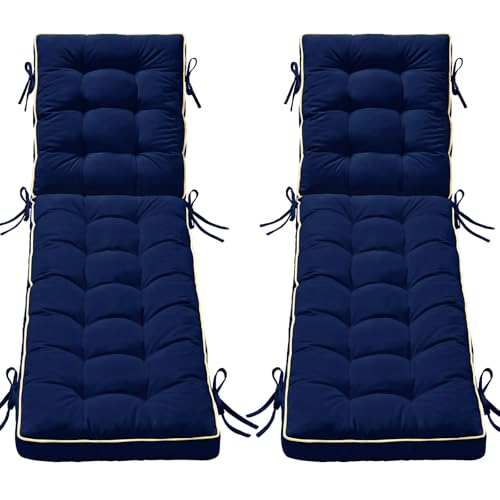
Outdoor Chaise Lounge Cushions 80 x 26: The Complete Buying Guide
Everything you need to know about sizing, fabrics, fill, and fit before you upgrade your chaise lounge with an 80 x 26 cushion.
START WITH THE BASICSIf you already own a chaise lounge and the original cushion has flattened, faded, or torn, you are likely shopping for a replacement rather than a new frame. The 80 x 26 inch size is one of the most common formats for full-length outdoor loungers, and it is also one of the easiest to get wrong. A cushion that is even two inches too wide will bunch at the sides, while a cushion that is too short leaves the foot end of the frame exposed and uncomfortable.
This guide walks you through the exact measurements that matter, the materials that hold up under sun and rain, the difference between entry-level and premium construction, and the fit details that determine whether an 80 x 26 cushion will actually work on your specific lounger. By the end, you will have a clear checklist for choosing a cushion that fits, lasts, and feels right season after season.
What "80 x 26" Actually Means for Your Chaise
The 80 x 26 measurement refers to the cushion's length and width in inches, but the way manufacturers apply that measurement varies. Some measure the full cushion from the top edge of the backrest to the foot end. Others measure only the seat platform and treat the backrest as a separate section. Before you order, confirm which convention the product uses.
An 80 inch length is designed to cover the entire lounging surface of a full-length chaise, including the backrest area when the frame is in a reclined position. A 26 inch width is a standard single-person width that leaves a small margin on most frames measuring 24 to 28 inches across. If your frame is narrower than 24 inches, a 26 inch cushion will overhang; if it is wider than 28 inches, the cushion will look undersized and may shift.
For frames that fold at a hinge, the cushion must either include a matching hinge seam or be flexible enough to bend without creasing permanently. This is the single most common compatibility issue with 80 x 26 cushions, so verify it before purchase.
How to Measure Your Chaise Lounge Before Buying
Accurate measurement takes about five minutes and prevents the most common return reason for cushions. Use a metal tape measure and record each figure to the nearest half inch.
- Seat length: Measure from the hinge point or the top of the backrest down to the foot end of the seat platform. For an 80 x 26 cushion, this should fall between roughly 78 and 80 inches.
- Seat width: Measure across the widest point of the seat platform, not the frame rails. A width of 24 to 26 inches pairs best with a 26 inch cushion.
- Hinge position: Note where the frame bends. If the hinge is more than a third of the way down from the top, confirm the cushion has a corresponding seam.
- Frame rails and armrests: Check whether the frame has side rails that the cushion must sit inside or over. This affects whether you need a cushion with a slight overhang or a flush fit.
- Thickness clearance: If the chaise folds flat or has a storage compartment, measure the available gap to ensure the cushion thickness does not block the mechanism.
Quick Fit Check
If your seat platform measures between 78 and 80 inches long and 24 to 26 inches wide, an 80 x 26 cushion is the correct category. If any measurement falls outside that range by more than an inch, look for a custom or adjustable-fit cushion instead.
Fabric and Fill: What Separates Tiers
Cushion construction falls into clear quality tiers, and the differences show up in how the fabric handles UV exposure, how quickly the fill recovers after use, and how easy the cover is to clean. The table below summarizes the characteristics you should expect at each tier.
| Tier | Typical Fabric | Fill | Best For |
|---|---|---|---|
| Entry-level | Standard polyester, basic water repellency | Low-density foam or fiber fill | Occasional use, covered porches, short seasons |
| Mid-range | Solution-dyed polyester or acrylic blend, UV-resistant | Medium-density foam with fiber wrap | Regular outdoor use in mixed weather |
| Premium | Solution-dyed acrylic, mold and mildew resistant, removable cover | High-density foam with memory foam layer | Daily use, full sun exposure, long-term ownership |
| Luxury | Performance acrylic with stain guard, quick-dry core | Multi-layer foam with gel or latex infusion | High-end loungers, resort-style settings, extended comfort |
For an 80 x 26 cushion, the fabric is the most important long-term variable. Solution-dyed acrylic holds color far better than surface-dyed polyester, and it resists the mildewing that plagues cushions left outdoors through humid summers. If the cushion will sit in direct sun for most of the day, prioritize the premium tier even if the frame itself is mid-range.
Fill density matters just as much for comfort. Entry-level fiber fill compresses quickly and requires frequent fluffing. Mid-range foam with a fiber wrap balances support and softness. Premium and luxury cushions use high-density foam that recovers its shape and distributes weight more evenly across the 80 inch length, which is especially noticeable at the hip and shoulder points.
Fit Details That Determine Comfort and Durability
Beyond length and width, several smaller design choices affect how an 80 x 26 cushion performs on a chaise lounge.
Attachment method
Cushions attach to the frame with ties, elastic straps, or a non-slip backing. Ties are the most secure for a full-length cushion because they prevent the cushion from sliding forward when you recline. Elastic straps are convenient but stretch over time. A non-slip underside works well on smooth frames but does little on slatted or textured surfaces.
Hinge seam construction
If your chaise folds, the cushion needs a hinge seam positioned to match the frame's bend. A cushion without a seam will crease awkwardly and may tear at the fold point within a season. Confirm the seam position in the product specifications rather than assuming it aligns with your frame.
Cover removability
A removable, zippered cover is the single biggest maintenance advantage. It allows you to machine wash the cover and inspect the fill for moisture. Covers that are sewn shut are harder to clean and trap dampness after rain.
Edge finishing
Piped edges hold their shape and resist fraying, while bound edges are more durable but slightly stiffer. For a cushion that will be folded and unfolded repeatedly, piped edges with reinforced stitching at the hinge are the better choice.
Care and Storage for Long-Term Performance
An 80 x 26 cushion is a long-term investment, and routine care extends its usable life considerably. Brush off loose debris weekly and spot clean spills with mild soap and water rather than harsh detergents. Rinse thoroughly and allow the cushion to dry fully in the sun before replacing it on the frame.
During off-season storage, use a breathable cover rather than a sealed plastic bag. Sealed storage traps residual moisture and encourages mildew, which is the most common cause of premature cushion failure. Store cushions flat or loosely folded rather than compressed, and avoid stacking them while damp.
If the cover is removable, wash it at the start and end of the season according to the manufacturer's instructions, and inspect the foam for compression or moisture. Replacing only the cover is often possible and extends the cushion's life at a fraction of the cost of a full replacement.
For related outdoor seating care and cushion guidance, see our broader resources on waterproof outdoor chair cushions and chaise lounge chairs.
Frequently Asked Questions
- How do I measure my chaise lounge for an 80 x 26 cushion?
- Measure the seat platform from the top edge of the backrest hinge to the foot end for length, and across the widest point of the seat for width. An 80 x 26 inch cushion fits chaise frames with a seat platform of roughly 78 to 80 inches long and 24 to 26 inches wide, allowing a small margin for fabric and tuck-in.
- What is the best fabric for outdoor chaise lounge cushions?
- Solution-dyed acrylic and high-density polyester blends are the most reliable choices. They resist fading from UV exposure, repel water, and dry quickly. Look for fabrics rated for outdoor use with mold and mildew resistance, and confirm the cover is removable and washable for long-term maintenance.
- How thick should an outdoor chaise lounge cushion be?
- Thickness between 2 and 4 inches suits most chaise lounges. A 2 to 3 inch cushion is typical for standard frames and keeps the profile low, while a 3 to 4 inch cushion adds comfort for extended lounging. Confirm that the cushion thickness works with your frame's hinge and folding mechanism before buying.
- Can I use an 80 x 26 cushion on a folding chaise lounge?
- Yes, provided the cushion is designed to flex at the hinge point. Many 80 x 26 cushions include a hinge seam or are constructed with a flexible fill that accommodates folding. Check the product description for hinge compatibility and avoid rigid one-piece cushions on adjustable frames.
- How should I care for outdoor chaise lounge cushions?
- Brush off loose debris, spot clean with mild soap and water, and rinse thoroughly. Allow cushions to dry fully in the sun before storing. Use breathable covers during off-season storage and avoid stacking cushions while damp to prevent mildew. Removable, machine-washable covers simplify routine cleaning.
Continue Exploring
If you are still comparing cushion options, these related guides can help you narrow the field:
- Chaise lounge chair cushions for a broader look at styles and fits.
- Outdoor chaise lounge cushions for alternative sizing and material options.
- Chaise lounge sets with cushions if you are outfitting more than one lounger.
- Outdoor chair cushions for coordinating accent seating.
- Chaise lounge chairs sets for larger patio layouts.