Outdoor Papasan Chair: The Complete Buying Guide
A papasan chair brings a distinctive bowl-shaped comfort to patios, porches, and balconies. This guide explains frame construction, cushion materials, weather resistance, and placement so you can choose an outdoor papasan chair that lasts and feels right.
If you have been searching for a relaxed seat that looks as good as it feels, an outdoor papasan chair is a strong candidate. Unlike indoor versions, outdoor papasan chairs are built with weather-resistant frames and quick-drying fabrics. This guide covers the practical decisions that matter: frame material, cushion quality, sun and rain protection, and how to position the chair so it stays comfortable season after season.
What Makes an Outdoor Papasan Chair Different?
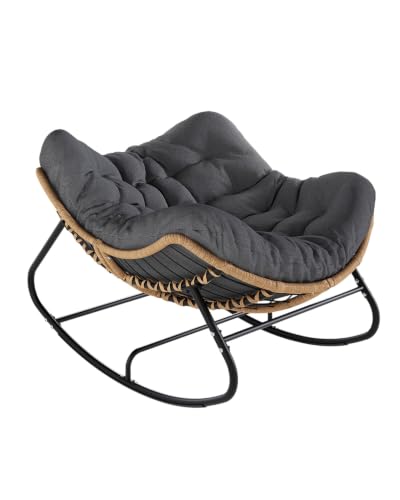
A papasan chair is defined by its wide, bowl-shaped seat that cradles the body, supported by a rounded frame base. Indoor papasan chairs often use natural rattan and cotton cushions. Outdoor versions change three things:
- Frame finish: outdoor frames use powder-coated steel, aluminum, or resin wicker over a metal core, all with a rust-proof finish.
- Cushion fabric: outdoor cushions use solution-dyed, UV-resistant fabric that resists fading and dries quickly after rain.
- Drainage and airflow: quick-dry foam and breathable covers prevent trapped moisture and mildew.
These changes matter because outdoor furniture faces continuous sun exposure, humidity, and temperature swings. A standard indoor papasan will degrade outdoors within a season, while a purpose-built outdoor papasan chair is designed for the long run.
Frame Materials Compared
Frame construction is the first thing to evaluate. The base carries the full weight of the seat and the person sitting in it, so stability and corrosion resistance are the priorities.
| Frame Type | Tier Positioning | Best For | Key Consideration |
|---|---|---|---|
| Powder-coated steel | Essential tier to mid-range | Covered porches and patios | Heavy-duty and stable, but needs a rust-proof finish check on welds |
| Aluminum | Mid-tier to premium | Balconies, coastal areas, humid climates | Lightweight and naturally rust-resistant; confirm wall thickness for stability |
| Resin wicker over metal core | Balanced tier | Decks and garden corners with a natural look | UV-stable wicker resists cracking; inspect the inner core material |
| Cast aluminum or heavy-duty steel | High-end tier to flagship tier | Exposed patios and windy locations | Solid build and weight for wind resistance; commercial-grade options exist |
For most homeowners, a powder-coated steel or aluminum frame hits the right balance. If the chair will sit in an exposed spot with strong wind, a heavier frame with a wide, weighted base is the safer choice. A quick way to test stability is to press down on one edge of the seat frame; a well-built base should resist tipping without excessive flex.
Cushion Quality: The Real Comfort Factor
The cushion determines how the chair feels and how long it stays usable outdoors. Three factors separate a durable cushion from one that flattens or mildews within a season:
1. Fabric
Solution-dyed acrylic and similar UV-resistant fabrics hold color under direct sun. Look for fabric described as UV-resistant and water-repellent. Cotton and standard polyester blends absorb moisture and fade quickly outdoors.
2. Foam and filling
Quick-dry foam allows water to pass through instead of soaking in. High-density foam retains its shape longer than low-density filling, which compresses under body weight over time. A mid-range cushion with high-density quick-dry foam is typically the sweet spot for outdoor use.
3. Cover construction
A removable, zippered cover makes cleaning practical. Reinforced seams and a snug fit reduce water intrusion. Some cushions include a hidden strap or tie-down to keep the cushion seated in the bowl on windy days.
If you plan to leave the chair uncovered for long stretches, a weather-resistant cushion is non-negotiable. Otherwise, plan to store the cushion when not in use.
Weather Resistance and Long-Term Care
Even weather-resistant furniture benefits from simple habits. These practices extend the life of both frame and cushion:
- Bring the cushion indoors or into a large waterproof outdoor storage container before heavy rain or extended bad weather.
- Place the chair under a pergola, gazebo, or patio umbrella to reduce direct sun and rain exposure.
- Wipe the frame with a damp cloth monthly and check bolts and joints for looseness.
- Touch up any scratches on powder-coated frames promptly to prevent rust from spreading.
- During off-season months, follow a winter storage guide and keep the frame and cushion in a dry space.
For broader maintenance routines that apply to all outdoor seating, see the weatherproofing guide. A small amount of routine care prevents most of the problems that shorten outdoor furniture life.
Placement Ideas by Outdoor Space
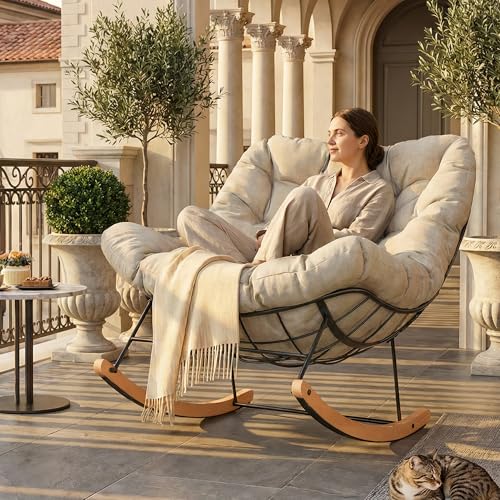
Papasan chairs work best where there is room for the wide base and space to recline. Consider these placements:
Covered porch
A front porch setup is close to ideal. The roof protects the cushion from rain, and the chair becomes a natural reading spot. Pair it with a round outdoor coffee table for drinks and books.
Patio or deck corner
An unused corner becomes a destination. Angle the chair slightly toward the main seating area so it feels connected without blocking walking paths. A patio side table placed beside the chair keeps essentials within reach.
Balcony
Small balconies suit a single papasan chair as the main seat. Confirm the frame footprint fits within the railing clearance and that the base is stable on the balcony surface.
Poolside
If the chair sits near a pool, keep it a few steps back from splash zones and choose a cushion that dries quickly. A shaded spot extends cushion life significantly.
Garden nook
Among plantings, a papasan chair creates a quiet retreat. Pair it with outdoor lighting for evening use and an outdoor rug to define the seating zone.
Papasan Chair vs Other Outdoor Seating
It helps to compare the papasan with common alternatives before committing:
- Versus a lounge chair: a lounge chair offers an upright recline for reading and conversation, while the papasan is a deeper, more enveloping seat for lounging. The lounge chairs guide covers upright options.
- Versus a hammock chair: a macrame hammock chair hangs and sways, which suits gentle movement; a papasan stays fixed and grounded, which is better for people who prefer a stable seat.
- Versus a hanging chair: a hanging chair requires a load-rated anchor point, while a papasan needs only floor space.
- Versus a club chair: a durable outdoor chair with a structured back is easier to get in and out of, which matters for older users or anyone with mobility concerns.
If ease of entry matters, choose a papasan with a slightly higher seat height and a firmer cushion. If deep lounging is the goal, a lower, deeper bowl is more comfortable.
What to Check Before Buying
Buying Checklist
- Frame material and finish: powder-coated steel, aluminum, or UV-stable resin wicker over a metal core.
- Weight capacity: confirm the stated capacity and leave a margin for safety.
- Base width and stability: a wider base resists tipping on uneven surfaces.
- Cushion fabric: UV-resistant, water-repellent, and quick-drying.
- Cushion cover: removable and washable is a practical advantage.
- Foam density: high-density quick-dry foam holds shape longer.
- Assembly: check whether tools are included and how many parts are involved.
- Storage plan: decide where the cushion goes during rain and off-season months.
For homeowners furnishing an entire outdoor area at once, it helps to plan the full layout first. A patio essentials checklist keeps the process organized, and a measurement guide prevents size surprises before delivery.
Frequently Asked Questions
Are papasan chairs suitable for outdoor use?
Yes, when the frame and cushion are specifically designed for outdoor conditions. Outdoor papasan chairs use weather-resistant frames such as powder-coated steel, aluminum, or resin wicker, combined with quick-drying, UV-resistant cushion fabrics.
What materials should I look for in an outdoor papasan chair frame?
Powder-coated steel offers solid strength, aluminum resists rust and stays light, and resin wicker over a metal core blends durability with a natural look. Any outdoor frame should have a rust-proof finish and UV-stable coating.
How do I protect a papasan cushion from rain and sun?
Choose cushions with solution-dyed, UV-resistant fabric and quick-dry foam, bring the cushion indoors or into a storage box during heavy rain, and use a fitted cover when the chair sits unused for long periods.
Where should an outdoor papasan chair be placed?
Place it in a shaded or semi-shaded corner of a patio, porch, or balcony, away from direct sprinkler spray and standing water. A covered area extends the life of both the frame and the cushion.
Can a papasan chair stay outside all year?
A weather-resistant frame can remain outside in mild climates, but the cushion should be stored during extended rain, snow, or freezing conditions. In harsh climates, store the entire chair indoors during the off-season.
Ready to compare specific models? The recommended products below are selected for outdoor use, with weather-resistant frames and quick-drying cushions.