
Outdoor Patio Side Table With Umbrella Hole: The Complete Buying Guide
Everything you need to know about choosing a functional, stable, and stylish side table that keeps your umbrella secure while holding your essentials.
Why a side table with an umbrella hole matters: A patio umbrella is only as useful as its base. When you place an umbrella through a dedicated side table, you gain a stable anchor point, a convenient surface for drinks and snacks, and a space-saving solution that eliminates the need for a bulky freestanding umbrella base. This guide walks you through every consideration so you can purchase with total confidence.
What Is an Outdoor Patio Side Table With Umbrella Hole?
An outdoor patio side table with an umbrella hole is a compact table—typically round or square—featuring a pre-drilled opening in the center designed to accommodate a patio umbrella pole. These tables serve a dual purpose: they provide a stable, weighted anchor for your umbrella while offering a practical surface for beverages, books, sunscreen, or a small plant.
Unlike a full-size dining table, a side table with an umbrella hole is designed to sit next to a lounge chair, between two chairs, or beside a sofa. It keeps your umbrella accessible without dominating the space. Many homeowners pair this type of table with a wrought iron patio table with umbrella hole for a coordinated look, or use it as a standalone accent piece.
The concept is simple, but the details matter. The diameter of the hole, the weight and stability of the base, the material construction, and the overall height all influence how well the table performs in real-world conditions. Understanding these factors before you buy is the key to avoiding frustration later.
Why a Side Table With Umbrella Hole Is a Smart Investment
If you already own a patio umbrella, you know that securing it properly is essential. A gust of wind can topple an improperly anchored umbrella, potentially damaging the canopy, the pole, or nearby furniture. A dedicated side table with an umbrella hole solves this problem elegantly.
Here are the primary benefits:
- Stability: The table acts as a built-in base, distributing the umbrella's weight across a wider footprint.
- Space efficiency: You eliminate the need for a separate freestanding umbrella stand, which can be bulky and trip-prone.
- Convenience: Your drink, phone, or snack is always within reach while you enjoy the shade.
- Aesthetics: A well-chosen table complements your patio furniture and creates a cohesive outdoor living area.
- Versatility: When the umbrella is removed, the table functions as a standard side table—no wasted furniture.
For those who entertain frequently, a side table with an umbrella hole keeps the patio organized and functional. It is a small piece of furniture with a disproportionately large impact on how your outdoor space feels and functions.
Key Considerations Before You Buy
1. Umbrella Hole Diameter and Pole Compatibility
The most critical measurement is the diameter of the umbrella hole. Most tables feature a hole between 1.5 and 2 inches. However, some umbrellas have thicker poles, especially heavy-duty or cantilever models. Measure your umbrella pole at its base and compare it to the table's hole specification. A hole that is too small will not accept the pole; a hole that is too large may allow the umbrella to wobble.
Some tables include a removable reducer ring or plug that allows you to use umbrellas with different pole diameters. This is a valuable feature if you own multiple umbrellas or plan to upgrade in the future. If you are shopping for a table to pair with a specific umbrella, check the product details carefully—many listings specify the compatible pole range.
2. Table Height and Surface Area
Side tables generally range from 18 to 24 inches in height, designed to sit comfortably next to lounge chairs and sofas. Dining-height side tables (around 28 to 30 inches) are also available if you plan to use the table with bar-height or counter-height seating. Consider the height of your existing furniture: the table surface should be roughly level with or slightly lower than the armrest of your chair.
Surface area matters too. A round table with a 20-inch diameter offers enough space for a drink and a small plate, while a 24-inch table provides more room for entertaining. Square tables maximize surface area within a compact footprint. Think about how you plan to use the table—if you frequently host guests, a slightly larger surface is worth the extra space.
3. Material and Weather Resistance
The material of your side table determines its durability, maintenance requirements, and appearance. Here are the most common options:
- Wrought iron and cast aluminum: Heavy, stable, and classic in appearance. Wrought iron is extremely durable but can rust if the finish chips; cast aluminum resists rust and is lighter. Both are excellent choices for windy areas. Explore powder-coated wrought iron patio furniture for added protection.
- Resin and high-density polyethylene (HDPE): Lightweight, weather-resistant, and low-maintenance. These materials will not rust, crack, or fade easily. They are ideal for coastal or humid climates. A white resin patio table with umbrella hole is a popular choice for poolside areas.
- Teak and hardwoods: Naturally beautiful and durable, teak contains oils that resist moisture and insects. However, it requires periodic sealing to maintain its appearance. Wooden tables are best for covered patios or areas with moderate weather.
- Glass and stone tops: A glass or stone top adds elegance and is easy to clean. However, glass can crack if struck, and stone is heavy. These materials are often paired with metal frames. A wrought iron side table with glass top offers a refined look that complements many patio styles.
4. Base Stability and Weight Distribution
An umbrella acts like a sail in the wind, creating significant lateral force. The table must be heavy enough—or have a wide enough base—to resist tipping. Cast iron and solid steel frames are inherently more stable than lightweight aluminum or plastic. If you live in a windy region, prioritize a table with a weighted base or consider using an additional umbrella stand beneath the table for extra security.
Some tables feature a four-legged design with a low center of gravity, while others have a pedestal base. Pedestal bases can be elegant but may require a weighted insert to stay upright in strong winds. Always check the product specifications for recommended wind conditions and consider how exposed your patio is to the elements.
5. Assembly and Portability
Most side tables with umbrella holes require some assembly. If you prefer a hassle-free setup, look for models that arrive fully assembled or require only minimal tools. Portability is another factor: heavier tables are more stable but harder to move. If you rearrange your patio frequently, a lighter resin or aluminum table may be more practical. If the table will remain in one spot, prioritize stability over portability.
Materials Deep Dive: Which One Is Right for You?
Choosing the right material is about matching the table to your climate, your maintenance preferences, and your design aesthetic. Here is a closer look at how each material performs.
Wrought Iron and Cast Aluminum
Wrought iron is synonymous with traditional patio furniture. It is heavy, durable, and offers a timeless look that suits both classic and contemporary spaces. The main drawback is the potential for rust if the protective finish is compromised. Regular inspection and touch-up painting can prevent this. Cast aluminum is a lighter alternative that resists rust inherently, making it a practical choice for humid or coastal environments.
If you appreciate the look of wrought iron but want added protection, consider powder-coated wrought iron patio furniture, which features a baked-on finish that resists chipping and fading. For a complete set, explore wrought iron patio sets that include matching side tables.
Resin and Plastic
Resin tables are the low-maintenance champions of the patio world. They will not rust, rot, or require painting. They are lightweight and easy to move, making them ideal for renters or those who like to reconfigure their outdoor space frequently. The trade-off is that resin can look less substantial than metal or wood, and lightweight tables may need extra anchoring in windy conditions.
A white plastic outdoor table with umbrella hole is a classic choice for pool decks and casual patios. For a slightly more refined look, consider a white round outdoor table with umbrella hole that pairs well with resin chairs.
Wood and Teak
Wood brings warmth and natural beauty to outdoor spaces. Teak is the gold standard, prized for its natural oils and resistance to rot. Other hardwoods like eucalyptus and acacia offer similar benefits at a more accessible tier. Wooden tables require periodic sealing or oiling to maintain their appearance, especially in climates with harsh sun or frequent rain.
If you choose a wooden side table, consider pairing it with a resin outdoor dining table with umbrella hole for the main dining area, creating a balanced mix of materials. For a cohesive look, explore outdoor dining table and chairs with umbrella hole options that match your side table's style.
Glass and Stone
Glass tops add a sense of lightness and sophistication. They are easy to wipe clean and reflect light beautifully. However, glass can shatter if struck by a heavy object, and it shows water spots and fingerprints. Stone tops, such as granite or marble, are heavy and durable but require a sturdy frame. A wrought iron table base for granite tops is a common pairing for those who want a permanent, high-end look.
Sizing and Placement: Making It Work in Your Space
A side table with an umbrella hole is most useful when it is placed thoughtfully. Here are some guidelines:
- Next to a lounge chair: Place the table between two chairs or beside a single chair so it is easily reachable without leaving your seat. The umbrella should be positioned to cast shade over the seating area.
- Between a sofa and a chair: A side table in the corner of an L-shaped seating arrangement anchors the space and provides a convenient surface for drinks.
- On a small balcony: A compact side table with an umbrella hole is a space-saving solution for balconies where a full dining set would not fit. Look for tables with a smaller diameter, such as 18 to 20 inches.
- Poolside: Place the table near the edge of the pool (but not too close) so you can set down sunglasses, towels, or a drink while swimming. Choose a material that resists chlorine and saltwater.
When selecting a size, consider the umbrella's canopy diameter. A large umbrella (9 feet or more) may need a heavier table or an additional base to stay stable. A smaller umbrella (6 to 7 feet) is easier to manage and may be sufficient for a side table setup.
If you are furnishing a small patio, explore small patio ideas for layout inspiration. For a more traditional look, a wrought iron bistro table and 2 chairs can serve a similar function with a built-in umbrella hole.
Umbrella Compatibility: What to Check
Not all umbrellas are created equal. Before you buy a side table, consider the umbrella you plan to use—or plan to buy. Here are the key compatibility factors:
- Pole diameter: As mentioned, most tables accommodate poles between 1.5 and 2 inches. Check the specification carefully.
- Pole material: Aluminum poles are lightweight and rust-resistant; wooden poles are heavier and may require more care. Fiberglass or steel poles are also common.
- Umbrella weight: A heavier umbrella (especially one with a crank or tilt mechanism) puts more stress on the table. Ensure the table is rated for the umbrella's weight.
- Canopy size: A larger canopy catches more wind, increasing the need for a stable base. If you have a large umbrella, consider a table with a weighted base or an additional umbrella stand.
If you are shopping for an umbrella to pair with your table, explore options like the 11 ft cantilever patio umbrella with base or the 11 ft offset umbrella with LED lights for a premium shading experience. For a more compact setup, a yellow and white striped outdoor umbrella adds a cheerful touch to a side table arrangement.
Always keep the umbrella closed during storms or high winds to prevent damage to both the umbrella and the table.
Maintenance Tips for Long-Term Performance
Proper care extends the life of your side table and keeps it looking its best. Here are some practical maintenance tips:
- Clean regularly: Wipe down the table with a mild soap solution and water. Avoid abrasive cleaners that can scratch the finish.
- Inspect for rust: If you have a metal table, check for signs of rust or chipping paint. Touch up affected areas with matching paint to prevent further deterioration.
- Store or cover during off-season: If you live in an area with harsh winters, store the table indoors or cover it with a waterproof tarp. A patio table cover with umbrella hole zipper allows you to protect the table without removing the umbrella.
- Seal wooden tables: Apply a sealant or oil to wooden tables annually to protect against moisture and UV damage.
- Check stability: Periodically check that the table remains stable and that the umbrella hole is not loose or damaged. Tighten any bolts or screws as needed.
For comprehensive seasonal care, refer to our winter storage guide and weatherproofing guide. These resources cover furniture covers, cleaning routines, and storage strategies to keep your patio investments in top condition.
If you notice signs of wear, consider whether a replacement is necessary. A well-maintained table can last for many seasons, but if the frame is compromised or the finish is beyond repair, it may be time to explore new options. Browse discount outdoor furniture for replacement ideas without compromising on quality.
Styling Your Side Table: Small Details, Big Impact
A side table is more than a functional accessory—it is an opportunity to express your style. Here are some ideas for making your table a focal point:
- Add a small planter: A potted succulent or herb adds greenery and life to the table surface. Choose a planter that matches your table's material.
- Layer with textiles: A small outdoor rug beneath the table defines the space and adds warmth. Explore outdoor rugs in weather-resistant materials.
- Light it up: A string of fairy lights or a small lantern creates ambiance for evening gatherings. For a more permanent solution, consider outdoor lighting options.
- Coordinate with cushions: If your chairs have cushions, choose a table color that complements them. Yellow and white striped outdoor cushions can add a pop of color that ties the space together.
- Keep it functional: Use the table for its intended purpose—a place for drinks, snacks, or a book. Overcrowding the surface defeats the purpose of a side table.
For seasonal styling inspiration, explore summer decor ideas. These guides offer fresh ways to refresh your patio without a major overhaul.
Common Mistakes to Avoid
Even experienced patio owners can make mistakes when selecting a side table. Here are the most common pitfalls and how to avoid them:
- Ignoring the hole diameter: Buying a table without checking your umbrella's pole diameter is the most common error. Measure twice, buy once.
- Underestimating wind: A lightweight table may seem fine on a calm day, but it can tip in a gust. Choose a heavier table or add a weighted base if your patio is exposed.
- Overlooking maintenance: Every material requires some care. If you prefer a low-maintenance approach, choose resin or aluminum over wood or wrought iron.
- Choosing the wrong height: A table that is too tall or too short for your chairs is uncomfortable to use. Measure your chair's arm height before purchasing.
- Forgetting about storage: If you plan to store the table during the off-season, consider its weight and whether it can be disassembled. A lighter table is easier to move.
Avoiding these mistakes will save you time and frustration, and ensure that your side table becomes a beloved part of your outdoor space rather than a source of regret.
Top-Rated Outdoor Patio Side Tables With Umbrella Hole
⚠️ AFFILIATE DISCLOSURE: This website contains affiliate links. As an Amazon Associate, we earn from qualifying purchases. If you make a purchase through these links, we may receive a small commission at no additional cost to you. Read our full affiliate policy.

CHENG RONG 2-in-1 Umbrella Side Table – 16.54" Outdoor Patio Table with Fillable 15 Gal Water/Sand Base, Fits 1.5" Pole, UV Resistant for Pool, Deck, Garden (Black)
Check price on Amazon
Yaheetech Patio Table with Umbrella Hole, Outdoor Metal Side Table for Deck | Metal Coffee End Table for Garden, Pool, Patio and Deck, Featuring a Center Pole Hole for Umbrella Use in Patio Living Spaces
Check price on Amazon
SERWALL 2-Tier HDPE Outdoor Side Table with Umbrella Hole, Weatherproof Rectangular Adirondack Side Table, Black
Check price on Amazon
Umbrella Table with 2 Weight Bags Outdoor Patio Umbrella Side Table with Umbrella Hole Small Brown Wicker End Table for Outside Storage Coffee Table with Poly Lumber Top for Pool Garden Balcony Deck
Check price on Amazon
Furinno TIOMAN Patio Table, Mississippi Outdoor Side Table, Coffee Table with Umbrella Hole, for Patio, Garden, Porch, Light Wood
Check price on Amazon
Homenjoy Patio Table With Umbrella Hole, 16.1" Outdoor Side Table, White | Small Outdoor Table with 1.97" Umbrella Hole, Weather Resistant and Sturdy Outdoor End Table for Poolside, Backyard
Check price on Amazon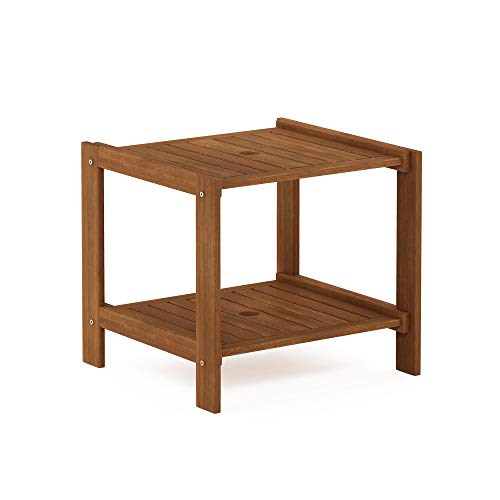
Furinno TIOMAN Outdoor 2-Tier Patio Table, Mississippi Side Table, Natural | Slatted Hardwood, Umbrella Hole, Coffee Table, for Patio, Garden, Porch
Check price on AmazonComparing Tiers: What to Expect at Each Level
Outdoor side tables with umbrella holes are available across a range of quality tiers. Understanding what each tier offers helps you align your purchase with your needs and expectations.
| Tier | Materials & Construction | Best For |
|---|---|---|
| Entry-level | Resin, lightweight aluminum, or basic steel frames. Simple designs with limited decorative details. | Casual use, renters, or those who prefer a low-maintenance, lightweight option. |
| Mid-range | Cast aluminum, heavier steel, or HDPE resin. Better finishes, reinforced joints, and more refined designs. | Homeowners seeking a balance of durability and style for everyday use. |
| Premium | Wrought iron, teak, or high-grade cast aluminum. Precision welds, weather-resistant coatings, and detailed craftsmanship. | Those who want a long-term investment and a table that will remain stable in windy conditions. |
| Luxury | Solid cast iron, premium hardwoods, or custom stone tops. Hand-finished surfaces and exceptional stability. | High-end patios where furniture is treated as a permanent architectural element. |
Regardless of tier, always prioritize the umbrella hole diameter and base stability. A table that does not fit your umbrella or tips over is a poor choice at any tier.
Frequently Asked Questions
What is the standard diameter of an umbrella hole in a patio side table?
Most patio side tables with umbrella holes feature a standard opening between 1.5 and 2 inches in diameter. This accommodates the majority of umbrella poles on the market. Some tables include a reducer ring to fit smaller poles. Always measure your umbrella pole before purchasing to ensure compatibility.
How do I keep a side table with an umbrella hole stable in windy conditions?
Stability comes from a combination of factors. Choose a table with a weighted or wide base, and consider using a heavy-duty umbrella stand beneath the table. Cast iron or solid steel frames generally offer more stability than lightweight aluminum or resin. Closing the umbrella during high winds is the single most effective preventive measure.
Can I use a side table with an umbrella hole without an umbrella?
Yes, the hole does not affect the table's functionality when the umbrella is removed. Many people use the table year-round and only insert the umbrella during sunny or rainy seasons. Some tables come with a removable cap or plug to cover the hole when not in use, providing a flat surface.
What materials are best for an outdoor side table with an umbrella hole?
The best material depends on your climate and maintenance preferences. Wrought iron and cast aluminum are durable and handle wind well but may require occasional rust care. Resin and HDPE are weather-resistant and low-maintenance. Teak and other hardwoods offer natural beauty and longevity but need periodic sealing. Consider your local weather patterns and how much upkeep you are willing to do.
Do I need a separate umbrella base if my table has an umbrella hole?
It depends on the table's weight and design. A heavy cast iron or wrought iron table may provide sufficient stability on its own. However, in windy areas or with large umbrellas, an additional weighted base is a worthwhile investment. Some tables are designed to accept a weighted insert or have a hollow base that can be filled with sand or water for extra stability.
How do I clean a side table with an umbrella hole?
Wipe the surface with a mild soap solution and water. For metal tables, dry thoroughly to prevent water spots. For resin tables, a hose-down is usually sufficient. Avoid abrasive cleaners that can scratch the finish. Check the hole area for debris and clean it out to ensure smooth umbrella insertion.
Final Thoughts: Making the Right Choice
An outdoor patio side table with an umbrella hole is a small piece of furniture with a big job. It anchors your umbrella, holds your essentials, and contributes to the overall functionality and beauty of your outdoor space. By considering the hole diameter, material, stability, and size, you can choose a table that serves you well for years.
Take the time to measure your space, assess your climate, and think about how you will use the table. A well-chosen side table is an investment in your outdoor lifestyle—a place to set down your drink, a secure home for your umbrella, and a stylish accent that ties your patio together.
If you are furnishing a larger patio, explore our guides on patio dining sets and lounge chairs to complete your outdoor living area. For those who love to entertain, a bar height outdoor table with fire pit can extend your patio season into the cooler months.
Whatever your style, budget-neutral tier, or space constraints, there is a side table with an umbrella hole that fits your needs. Use this guide as your roadmap, and enjoy the process of creating a patio that feels like a true extension of your home.